Senior African finance leaders, gathered at the African Development Bank (AfDB) Group’s Annual Meetings in Brazzaville, called for coordinated action to support Mission 300. The leaders aim to unlock an estimated $250 billion in assets held by the continent’s development finance institutions. This significant financial mobilization is intended to bolster the ambitious goals of Mission 300, a critical initiative for energy access across the continent. The high-level meetings, which brought together key stakeholders from across Africa's financial landscape, took place at the Kintele International Conference Centre.
Mission 300's Ambitious Goals
Mission 300 represents a collaborative effort between the African Development Bank and the World Bank Group. The initiative aims to provide electricity access to 300 million people across Africa by the year 2030, marking a significant step towards universal energy access on the continent. This joint initiative shows the commitment of both institutions to addressing Africa's energy deficit. A significant portion of the financing for Mission 300, approximately half, is projected to be sourced from the private sector, noting the key role of private capital in achieving these development objectives. The ambitious target of connecting 300 million Africans within six years demonstrates the urgency and scale of the challenge being tackled.
Mobilizing African Capital
African commercial banks hold $2.5 trillion on their balance sheets, representing a significant pool of capital for development initiatives. This substantial financial capacity within the continent is seen as a key resource for funding projects like Mission 300. Constant N’zi, Chief Executive Officer of the African Guarantee Fund (AGF), emphasized this potential, stating, "There is $2.5 trillion sitting in the balance sheets of African commercial banks. The mandate of AGF is to unlock that capital to finance the economy." The AGF aims to channel these funds towards economic growth and infrastructure projects, including those related to electricity access, by mitigating risks and providing guarantees. The proposed Mission 300 coalition intends to function as a light coordination mechanism. This mechanism will operate within the existing Development Partner Coordination Group, an established body that includes 35 bilateral and multilateral institutions, ensuring efficient alignment and collaboration among various development partners. This approach seeks to optimize resource allocation and avoid duplication of efforts, fostering a unified front for electricity expansion.
Early Commitments and Support
Mission 300’s initial implementation phase, spanning its first two cohorts, requires an estimated $238 billion to achieve its objectives across 30 countries. This substantial financial requirement shows the scale of the initiative and the need for broad-based support from both public and private sectors. In a demonstration of early support and commitment, the West African Development Bank (BOAD) has committed 1.1 billion FCFA towards Mission 300. This commitment from BOAD, which translates to approximately €1.7 million, represents an initial contribution from regional development finance institutions to the broader effort aimed at expanding electricity access across the continent. Such early pledges are vital in building momentum and attracting further investment for the initiative. The financial commitment from BOAD signals a strong regional backing for the energy access goals.
Voices of Support
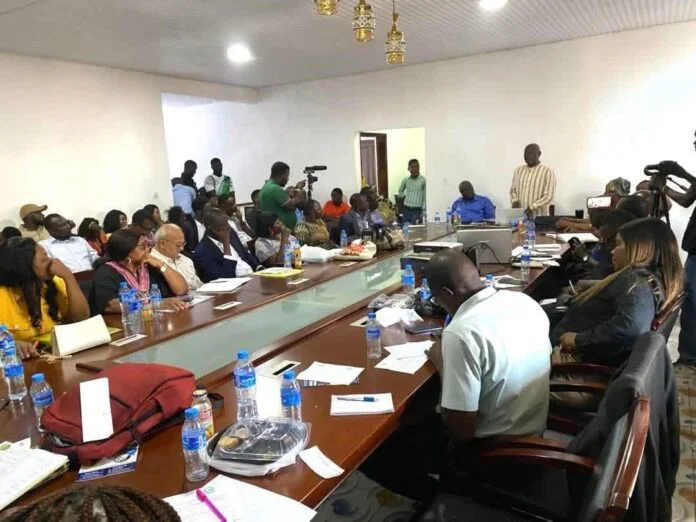
A high-level side event, "Mobilising African DFIs and Capital in Support of Mission 300," convened at the Kintele International Conference Centre during the AfDB Group’s Annual Meetings. The event provided a platform for finance leaders to discuss strategies for leveraging African financial institutions' assets. The initiative aligns with the New African Financial Architecture for Development (NAFAD), according to attendees, suggesting a broader strategic coherence in Africa's development agenda. Discussions at the side event focused on practical steps to unlock the $250 billion in assets held by African development finance institutions, ensuring these funds are effectively channeled into projects that will drive economic growth and improve livelihoods through enhanced electricity access. The consensus among participants was that strong coordination and innovative financing mechanisms would be critical to Mission 300's success.