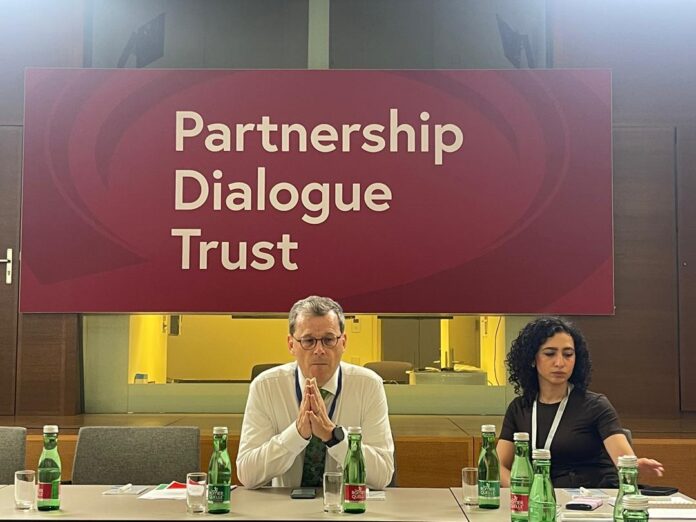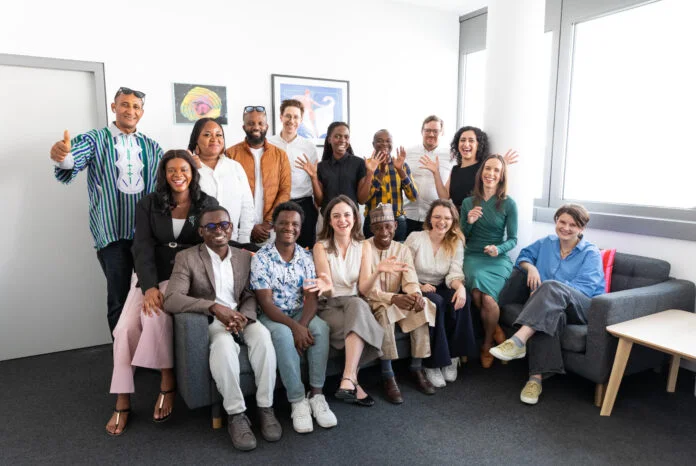
Ten African journalists participated in the Austria-Africa Media Fellowship Programme in Vienna, Austria, on Tuesday, 19 May 2026. This significant gathering provided a unique opportunity for media professionals from across the African continent to delve into the operational intricacies and strategic shifts of a historic European media institution. The engagement session, held on Tuesday, 19 May 2026, saw the African journalists connect with officials of Wiener Zeitung to gain full insight into the publication's ongoing transformation. Their discussions focused particularly on Wiener Zeitung's distinctive public-service journalism model and its forward-thinking media innovation strategies. The overarching aim of the program was to allow the fellows to explore Wiener Zeitung's approach to public-service journalism and its progressive strategies for media innovation in the digital age. The fellows, representing a diverse array of African nations including Nigeria, Ghana, Kenya, South Africa, Ethiopia, Zimbabwe, and Sierra Leone, were keen to understand the nuances of digital transitions as implemented by experienced newsrooms like Wiener Zeitung. This exchange fostered a deeper understanding of the challenges and opportunities inherent in modern media landscapes for all participants.
Wiener Zeitung's Evolving Model
Wiener Zeitung, established in 1703, holds the remarkable distinction of being one of the world's oldest newspapers, boasting a rich history spanning over three centuries. This venerable publication has recently undergone a profound and significant transformation, adapting its operational structure to meet contemporary media demands. Since July 1, 2023, Wiener Zeitung has operated as a publicly funded media institution, with its essential functions and initiatives supported through taxation. This key shift has facilitated Wiener Zeitung's transition into an almost fully digital media platform, marking a substantial move away from its traditional print-centric past. Despite this pronounced digital focus, the institution judiciously continues to publish a quarterly print magazine, offering a tangible connection to its heritage while embracing modern formats.
The institution's daily operations and strategic direction are meticulously managed by a dedicated newsroom and strategy team, which consists of 26 highly skilled professionals. This team is instrumental in shaping the content and direction of the publication in its new digital-first era. Wiener Zeitung has a clearly defined demographic target: it primarily aims its content and engagement efforts towards younger audiences, specifically those individuals between the ages of 16 and 29. The organization is deeply committed to upholding several core journalistic principles that guide its editorial output. These principles include a strong emphasis on investigative journalism, rigorous data analysis, unwavering transparency, proven reliability, and steadfast editorial independence. Additionally, a critical focus on delivering quality reporting remains a cornerstone of the transformed media outlet's mission, ensuring its content is both informative and trustworthy for its target demographic and beyond.
Innovation and Media Literacy Projects
In its mission to engage and educate, Wiener Zeitung has developed several innovative projects. Among these is the impactful 'Algokind' media literacy project, which specifically focuses on educating young people about the widespread influence of algorithms across various digital platforms. This initiative primarily operates through popular social media channels such as Instagram and TikTok, strategically chosen to effectively engage its target audience where they are most active. In a separate, yet equally significant venture, the re:think Media initiative has experienced a remarkable surge in engagement and popularity. This initiative has seen its ticket sales increase by an impressive 500 percent between 2025 and 2026, a clear indicator of growing interest and participation in the program's offerings. This substantial growth reflects an increasing demand for the insights and discussions provided by re:think Media, noting its relevance in the current media landscape.
Further expanding its commitment to training and professional development within the media sector, Wiener Zeitung offers a full incubator program. This intensive program spans three months and is meticulously designed to support the development of new projects and foster emerging talent within the dynamic media landscape. The incubator provides a nurturing environment for innovation, helping participants transform novel ideas into viable media initiatives. Additionally, the organization implements a full 360-degree Journalism Traineeship Programme, which is structured to provide participants with invaluable placements across multiple organizations over an extensive 12-month period. This multi-faceted approach offers broad exposure to different facets of the industry, equipping trainees with a diverse skill set and a holistic understanding of modern journalism.
Fellowship Programme Context
The fellowship programme for media innovators, which brought the African journalists to Vienna, operates over an extensive nine-month period, providing ample time for in-depth learning and networking. This initiative is not only educational but also offers substantial financial assistance to its participants, with funding support available up to an impressive €40,000. This significant financial backing shows the commitment to fostering innovation and supporting promising media professionals. The entire programme is meticulously designed to cultivate and accelerate innovation within the media sector, nurturing new ideas and approaches that can shape the future of journalism globally.