A new report published May 8 in Nairobi, Kenya, argues that fossil fuels have enriched a wealthy few, undermined economic development and left African economies exposed to external shocks. The study concludes that the sector has failed to deliver widespread development across the continent. Titled “Pipe Dreams: How Oil and Gas Fail to Deliver Economic Development in Africa,” the publication is a joint effort by Oil Change International and Power Shift Africa. The report's findings challenge the long-held perception that fossil fuel extraction inherently leads to broad-based economic prosperity on the continent. It suggests that the current operational models often exacerbate existing inequalities rather than alleviating them.
Harms of Fossil Fuel Extraction
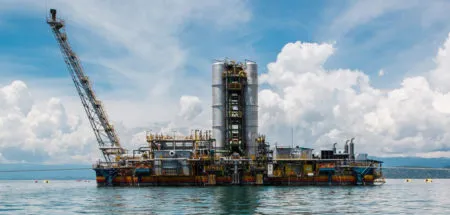
The report argues that oil and gas operations create few local employment opportunities and jeopardize farming and fishing livelihoods through toxic spills. It states these activities also expose economies to volatile boom-and-bust cycles driven by global commodity price fluctuations. The report further argues that the current model of exporting crude oil and then importing the more expensive value-added gasoline and diesel leaves millions of Africans without access to affordable energy. This economic structure means that despite being rich in raw materials, many African nations pay a premium for refined products.
In several nations, including Nigeria, Equatorial Guinea, and Mozambique, gas is extracted and then exported for international markets, while the energy demands of their own populations are not met. This disparity notes a significant challenge in the continent's energy landscape, where local needs are often secondary to export demands. The report shows that these practices contribute to energy poverty and hinder industrialization within these resource-rich countries. It also emphasizes the environmental degradation associated with fossil fuel extraction, detailing how toxic spills from oil and gas activities severely impact local ecosystems, directly threatening the livelihoods of communities dependent on agriculture and fishing.
Renewables Offer Better Path
A transition towards renewable energy sources could generate a significant number of jobs across Africa, according to the report. The study indicates that a renewable-led transition has the potential to create up to 14 million employment opportunities on the continent by 2030. This figure represents a substantially higher job creation potential compared to that offered by the fossil fuel extraction sector. The report emphasizes that such a shift would offer broader economic benefits and more sustainable development pathways than continued reliance on oil and gas. It posits that investments in solar, wind, and geothermal projects could not only meet energy demands but also foster local industries and skills development. This approach, the report suggests, would build resilience against global market volatility and create a more equitable distribution of economic benefits across African populations.
African Nations' Stance
At recent global fossil fuel phaseout talks held in Colombia, several oil-rich African nations stated their intent to continue drilling for oil and gas. These nations argued that ongoing fossil fuel extraction is necessary to support their respective economic growth trajectories. Their position was articulated during discussions focused on the global phaseout of fossil fuels, emphasizing the perceived role of hydrocarbons in national development strategies. The stance by these African countries indicates a divergence from immediate phaseout goals, prioritizing domestic economic stability and expansion through existing energy resources. This perspective often cites the need for energy security and revenue generation to fund infrastructure development and social programs.
Expert Reactions
The report, which examines 13 oil- and gas-producing African nations, concludes that decades of extraction have yielded little benefit for ordinary Africans. It warns that new producers, including Uganda, Mozambique, Namibia, Tanzania, the Democratic Republic of the Congo, and Côte d’Ivoire, risk facing stranded assets and mounting debt if they invest heavily in new fossil fuel development and global demand subsequently declines. The report notes the financial perils of committing to large-scale fossil fuel projects in an era of accelerating global energy transition. The release of the report precedes next week’s Africa-France Summit, an event anticipated to gather over 30 African heads of state, along with CEOs and other business leaders from both Africa and France. The timing of the report is strategic, aiming to influence discussions on energy policy and economic development at this high-level international gathering.