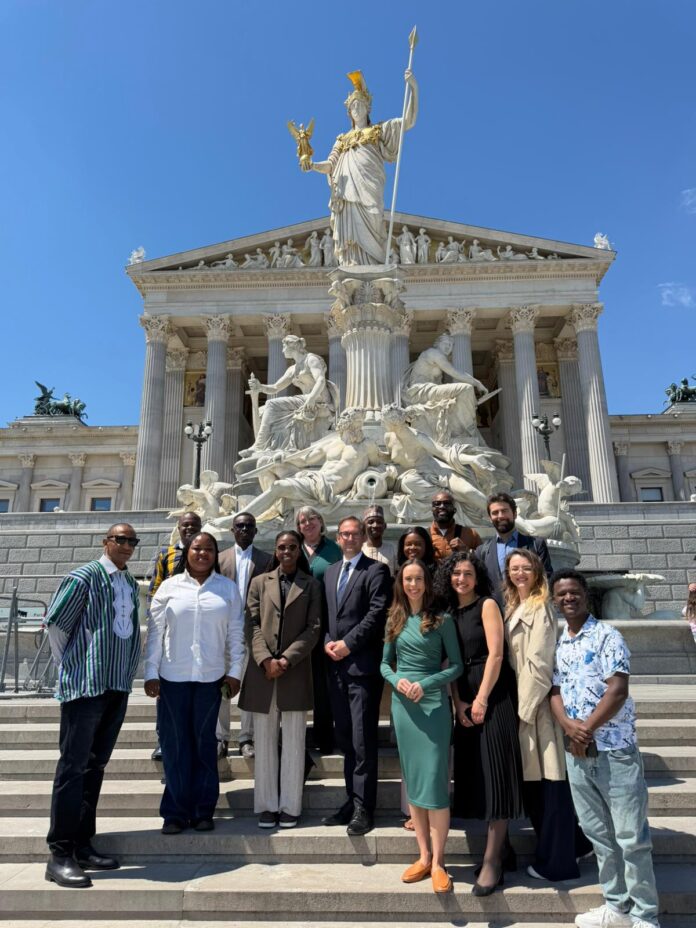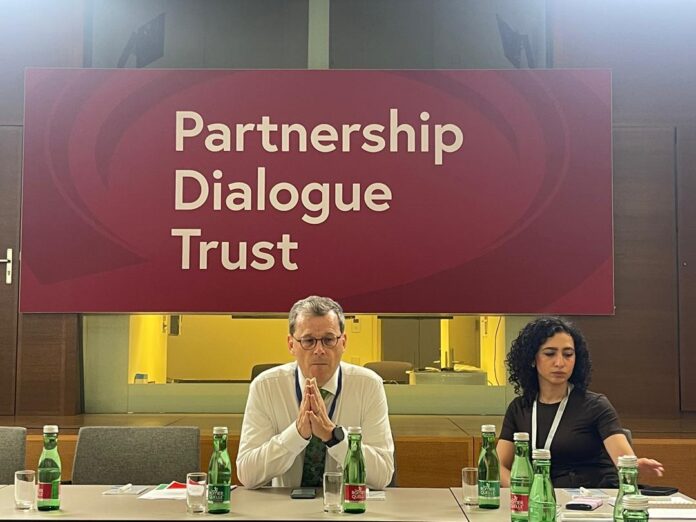
Austria is campaigning for a non-permanent seat on the United Nations Security Council for the 2027–2028 term, a bid noted during a recent briefing in Vienna. The session engaged African journalists currently participating in the Austrian-African Media Fellowship Programme, a key initiative aimed at fostering stronger ties and mutual understanding. This engagement allowed Austria to present its foreign policy objectives and its approach to multilateralism directly to media representatives from the African continent, showing the importance of international dialogue and cooperation. The briefing specifically focused on Austria's strategic communication regarding its international aspirations, particularly its efforts to secure a position on the UN's primary body for maintaining international peace and security. This outreach event served as a key platform for Austria to articulate its vision for global governance and its commitment to contributing to a more stable and peaceful world.
UNSC Seat Ambitions
Voting for the non-permanent United Nations Security Council (UNSC) seat is anticipated to occur in June at the United Nations headquarters in New York. This critical election will determine the composition of the Security Council for the upcoming term. Austria is actively seeking this prestigious position for the 2027–2028 term, competing against Germany and Portugal for the available seats. The bid represents Austria's continued deep engagement with multilateral institutions and its firm intent to contribute significantly to global peace and security efforts. Securing a seat on the UNSC would provide Austria with a powerful platform to influence international policy, participate in key decision-making processes, and address critical global challenges directly. Such a role would enable Austria to advocate for its foreign policy priorities and promote its values on a global stage, reinforcing its commitment to international law and cooperation.
Diplomatic Hub Vienna
Vienna is recognized as a prominent diplomatic center globally and stands as one of the four principal United Nations headquarters, a testament to its historical role in international relations. The city hosts more than forty international organizations, showing its significant role in global governance and diplomacy. This concentration of international bodies facilitates a unique environment for multilateral engagement. Among these, the International Atomic Energy Agency (IAEA) is notably headquartered in Vienna, playing a key role in global nuclear safety and security. This rich ecosystem of international organizations contributes profoundly to Austria's engagement with multilateral institutions and significantly supports its broader foreign policy objectives, providing a natural base for its international aspirations. The city's status as a hub for dialogue and cooperation further strengthens Austria's credentials as a responsible and engaged international actor.
Communication Strategy Details
Austria has adopted a dual communication strategy, carefully tailored for both domestic and international audiences. This full approach is designed to effectively convey its foreign policy objectives, highlight its active engagement in multilateral institutions, and build broad support for its international initiatives. For its international communication efforts, Austria anchors its messaging on core principles of trust, openness, and dialogue, aiming to foster constructive relationships globally and promote understanding across diverse cultures and political landscapes. This strategy emphasizes transparency and mutual respect in its diplomatic interactions.
The country is also actively collaborating with its European partners to strengthen collective resilience against misinformation, recognizing the growing challenge posed by disinformation campaigns in the digital age. This initiative shows a proactive stance in safeguarding public discourse and ensuring accurate information dissemination, which is vital for informed decision-making and maintaining trust in democratic processes. Additionally, Austria notes its full consular support services as a practical and tangible demonstration of diplomacy's direct benefits. This illustrates how its foreign policy directly impacts and assists its citizens abroad, providing essential services and protection in times of need, thereby connecting abstract diplomatic goals with concrete support for its populace.
Partnerships and Outreach
A high-level briefing took place at the Austrian Foreign Ministry on Monday, 18 May 2026, serving as a key event in its diplomatic calendar. During the session, Austria articulated its ambition to cultivate stronger, more full partnerships with African nations across various sectors. These areas include enhancing trade relations, expanding educational exchanges, fostering scientific collaboration, driving innovation initiatives, and strengthening international development efforts. The focus on these partnerships aligns smoothly with Austria's broader foreign policy goals and directly supports its campaign for a non-permanent seat on the United Nations Security Council. The country aims to deepen its engagement by fostering mutual growth and cooperation in these key sectors, demonstrating a profound commitment to multilateralism and global collaboration, particularly with the African continent. This strategic outreach reflects Austria's belief in shared prosperity and collective solutions to global challenges.