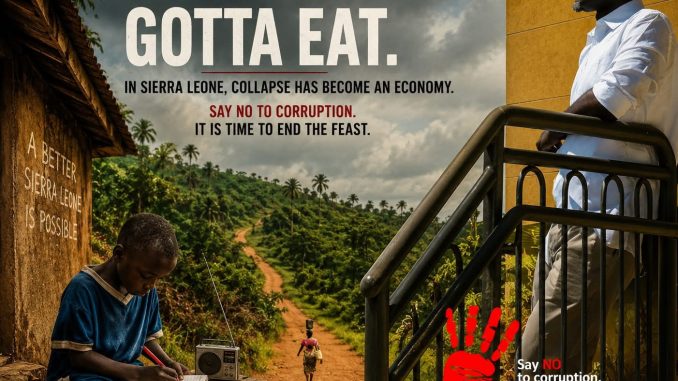
Public begging in Sierra Leone has reached an unprecedented level, with a growing number of individuals now relying exclusively on it for their livelihood. This concerning trend signifies a profound shift in the country's social fabric. ABU BAKARR CONTEH, a local observer, expressed surprise at the scale of the increase, noting the relentless daily rise in the begging population. Conteh stated, "Begging in Sierra Leone is at AN ALL-TIME HIGH. I never anticipated that the population of people who rely exclusively on begging as their source of livelihood would increase to this extent." This observation shows the alarming rate at which this phenomenon is expanding across the nation.
Conteh attributed this normalization of public begging to systemic issues within the country. He explained that a combination of poverty, high unemployment rates, and inadequate social welfare systems has created a situation where many view public begging as an accepted practice. Indeed, poverty, unemployment, and weak social systems have demonstrably normalized public begging, creating an environment in which many people now see it as a viable, albeit desperate, means of survival. "Poverty, unemployment, and weak social systems have created an environment in which many people now see public begging as normal," Conteh added, noting the deep-seated problems contributing to this crisis.
The Evolving Face of Begging
Begging in Sierra Leone has diversified beyond traditional forms, now encompassing a broader range of individuals and tactics. This evolution includes well-dressed individuals who speak fluent English and are reportedly attempting to manipulate or extort money from the public, signaling a more sophisticated approach to soliciting funds. This shift reflects a changing dynamic in how individuals solicit funds, moving beyond overt pleas for charity.
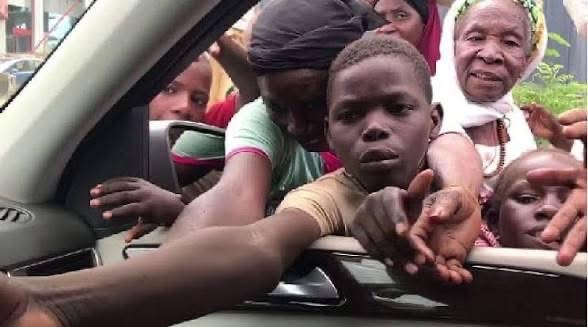
Children and teenagers are frequently observed begging on busy streets, at traffic stops, and along highways, often approaching vehicles and pedestrians directly. Their presence in these high-traffic areas notes an increasing visibility of youth involved in begging, a particularly vulnerable demographic. Additionally, young men have adopted a strategy of directing vehicles in parking lots and subsequently demanding money through begging, effectively turning a perceived service into a request for payment. This practice adds another dimension to the evolving methods of soliciting funds, often creating uncomfortable situations for the public. Even security guards and domestic staff are noted to accept tips without proper checks, indicating a normalization of informal payments and contributions across various sectors, blurring the lines between service and solicitation. Able-bodied men are now known to splash water on cars without consent and then expect payment, or they offer unasked-for directions and act offended when ignored, demonstrating a growing sense of entitlement linked to these unsolicited "services."
Incidents and Observations
The begging population in Sierra Leone continues to rise daily, according to one author, who noted that this trend involves "STRANGERS who have turned begging into a daily business," distinct from acquaintances seeking assistance. The author stated, "I am not referring to SIBLINGS, RELAVTIVES, FRIENDS, NEIGHBORS, or any ACQUAINTANCE seeking help from you. I am actually referring to the STRANGERS who have turned begging into a daily business." This continuous growth has led to a noticeable shift in public interactions, where encounters with beggars are increasingly common and often more assertive. The unrelenting increase in the begging population daily is a stark indicator of the deepening crisis.
An incident around the Jui–Grafton peninsula illustrated the escalating tension, where a beggar reportedly slapped a pedestrian for ignoring him. The author observed this event, noting the beggar's aggressive response to being overlooked, a clear sign of growing frustration and desperation. Such incidents show the frustration prevalent among some individuals engaged in begging, noting the potential for volatile interactions. The author remarked, "These individuals and their level of entitlement are symptoms of a failed system — one that can painstakingly be studied as a course at any given university."
Observations also extend to interactions between law enforcement and the public. Police officers were seen attempting to placate an angry trailer driver who accused an officer of obstructing his path. This interaction notes broader issues of public order and the challenges faced by authorities in managing daily situations, often complicated by the underlying social unrest. The author also pointed to the plight of "VICTIMS" of illicit drugs, suggesting they represent "the worst of it all," struggling with both addiction and the societal pressures that push them towards begging.
Systemic Roots and Future Threats
The increasing normalization of begging in Sierra Leone reflects deeper systemic issues, with some observers noting that strangers have transformed begging into a daily business, moving beyond traditional forms of charity. Politicians are frequently perceived as engaging with the populace only during election cycles, while ordinary citizens struggle daily with the harsh realities of poverty and unemployment. This sentiment contributes to public frustration regarding inadequate government support and a feeling of being abandoned.
The issue extends to various forms of unsolicited services, where able-bodied men reportedly splash water on vehicles without consent and then expect payment. Others offer unasked-for directions and react with offense if their efforts are ignored, noting a growing sense of entitlement linked to these practices. Analysts warn that a burgeoning population of frustrated and idle youths represents a significant risk. This demographic could become susceptible to recruitment by criminal or violent groups, potentially jeopardizing both public safety and national security. The prevailing social and economic conditions, exacerbated by the perceived disinterest of politicians outside of election periods, show the systemic challenges contributing to the begging crisis and pose a grave threat to the nation's stability.