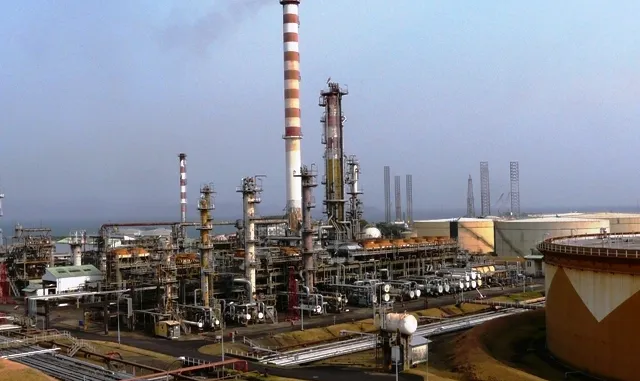
The United Nations Economic Commission for Africa (ECA), via its Subregional Office for Central Africa and the African Centre for Statistics, is providing full technical support for Cameroon's development of energy accounts. This initiative aims to enhance the country's energy data management and establish a strong framework for its analysis. A workshop is taking place in Douala from June 22 to 26, 2026, to facilitate this key process, bringing together key stakeholders and experts. The collaborative effort shows a commitment to fostering sustainable energy practices and informed policy-making within the nation.
Strategic Alignment and Goals
The development of energy accounts in Cameroon is fully aligned with the overarching objectives outlined in Cameroon Vision 2035 and the National Development Strategy 2020–2030 (NDS30). These strategic national frameworks emphasize sustainable development, economic diversification, and environmental protection. The energy accounts are specifically expected to assist in monitoring progress towards the Sustainable Development Goals (SDGs), particularly those related to ensuring access to affordable and clean energy (SDG 7), climate action (SDG 13), and the sustainable management of natural resources (SDG 15). By providing detailed, disaggregated data, these accounts will offer a clearer picture of Cameroon's energy landscape and its environmental footprint.
In 2023, the Government of Cameroon adopted the National Plan for the Development of Environmental-Economic Accounting (NPDEEA). This forward-looking plan identifies energy accounts as one of the priority areas for the operational rollout of environmental-economic accounting within the country. The NPDEEA recognizes the critical role that full data plays in effective resource management and sustainable economic growth, positioning energy accounts as a cornerstone of its implementation strategy. This strategic prioritization notes Cameroon's commitment to integrating environmental and economic considerations into its national planning.
Technical Support and Methodology
The United Nations Economic Commission for Africa (ECA), in partnership with the National Institute of Statistics (NIS) of Cameroon and the World Bank through the HISWACA Project, is facilitating a workshop aimed at identifying requirements for the development of Cameroon's energy accounts. This collaborative effort seeks to establish a strong framework for energy data management within the country, ensuring that the accounts are developed using internationally recognized standards and best practices.
ECA's involvement extends to providing full support for the initiative. The organization's assistance encompasses detailed methodological guidance to ensure the accounts are developed according to international standards, promoting comparability and accuracy. Additionally, ECA is facilitating the mobilization of specialized expertise from the United Kingdom Office for National Statistics (ONS), bringing valuable international experience and technical know-how to the project. This support also includes continuous technical assistance to Cameroon throughout the account development process, reinforcing the nation's capacity in environmental-economic accounting. The goal is to build long-term institutional capabilities within Cameroon to maintain and utilize these accounts effectively.
Policy Implications and Future Use
Energy accounts represent a modern statistical tool designed to connect data on energy extraction, production, transformation, consumption, and trade with Cameroon's economic activities. This full approach also integrates information regarding residuals released into the environment, such as emissions. This allows for a clearer and more holistic understanding of the energy sector's interplay with the national economy and its environmental impact. By linking physical energy flows with economic data, these accounts provide a powerful analytical framework for policymakers.
The framework provided by energy accounts is intended to help address key policy questions for Cameroon, offering data-driven insights for strategic decision-making. These include determining the total amount of energy produced within the country and identifying which economic sectors consume the most energy, thereby pinpointing areas for potential efficiency improvements. The accounts also offer insights into how energy is transformed and utilized across various applications, from industrial processes to household consumption. They are expected to quantify the energy sector's contribution to wealth creation, providing a clear measure of its economic significance. Crucially, these accounts will provide a mechanism to measure the effects of energy policies on economic growth, employment, and greenhouse gas emissions, enabling evidence-based adjustments to national energy strategies.