Choithram Memorial Hospital, in partnership with the Government of Sierra Leone through the Ministry of Health, announced the successful conclusion of its two-month Free Cataract Surgery Camp on Monday, June 8, 2026. This significant medical outreach initiative aimed to restore sight to patients suffering from cataracts, a leading cause of preventable blindness. The camp was meticulously organized and held at the facilities of Choithram Memorial Hospital, strategically located on Hill Station in Freetown, making it accessible to a broad population. The campaign specifically ran from April 10 to June 8, 2026, marking a period of intense and dedicated medical service that significantly impacted the health and well-being of numerous individuals in the region. The collaboration with the Ministry of Health showed the government's commitment to improving public health outcomes and addressing critical medical needs within the country. This partnership ensured that the initiative aligned with national health strategies and reached those most in need of vision restoration.
Extensive Operations and Screening
The Free Cataract Surgery Camp conducted operations continuously for two months, establishing a remarkable period of sustained medical intervention and care delivery. During this full exercise, a substantial number of individuals, approximately 6,000 patients, underwent thorough screening processes to accurately identify those requiring surgical treatment for cataracts. These screenings were key in determining eligibility and prioritizing patients based on the severity of their condition and potential for vision recovery. Following these evaluations, highly skilled medical teams ultimately performed an impressive 1,678 successful cataract surgeries. This achievement not only met but significantly exceeded the initial target for operations, which had been set at 1,550, demonstrating both the high demand for such services and the exceptional efficiency of the medical personnel involved.
The full screening process allowed for a broad assessment of eye health needs within the community, identifying a large cohort of individuals suffering from cataracts and providing them with a pathway to restored vision. The continuous nature of the camp, spanning two months, facilitated the methodical processing of a high volume of patients, from initial assessment and diagnosis to surgical intervention and essential post-operative care. The exceeded surgical target indicates a strong response to a greater demand for services than initially anticipated, noting the widespread nature of cataract-related vision impairment among the screened population in Sierra Leone and beyond. The sustained effort over the two-month period allowed for methodical patient flow and surgical execution, contributing immensely to the overall success of the initiative in restoring sight to a substantial number of individuals and improving their quality of life. This intensive operational schedule, managing more than 200 patients daily across outpatient clinics, operating theatres, and recovery units, showcased the extensive planning and coordination involved.
International Collaboration and Support
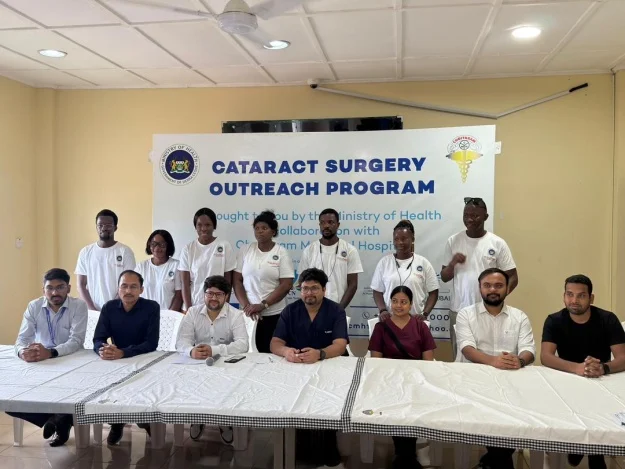
The initiative drew substantial and key support from a consortium of esteemed international organizations, demonstrating a global commitment to combating preventable blindness. These key partners included Mohammed Bin Rashid Al Maktoum Global Initiatives, Noor Dubai Foundation, Choithram International Foundation, and Choithram Netralaya in Indore, India. This vital collaboration facilitated the deployment of a specialized medical team comprising highly experienced professionals from India, who played a key role in assisting with the surgical camp. The team included distinguished specialist eye surgeons such as Dr. Meghna Shrishrimal, Dr. Abhishek Patel, and Dr. Akash Kathole, whose expertise was invaluable. They were further supported by three experienced theatre staff members, ensuring smooth and efficient surgical operations. Their collective participation was central to performing the high volume of complex surgeries with precision and care, significantly contributing to the camp's success.
The humanitarian program extended its reach and impact beyond Sierra Leone's national borders, attracting patients from neighboring countries such as Guinea and Liberia, who traveled to Freetown specifically seeking the specialized and free eye care offered. This cross-border participation showed the significant regional impact and the widespread need for such accessible medical interventions provided by the free cataract surgery camp. The entire initiative represented a substantial financial investment, amounting to more than half a million dollars. This figure was carefully calculated based on prevailing international cataract surgery costs, noting the significant financial commitment and resources required to deliver free, high-quality medical services on this extensive scale. The international funding and expert personnel were instrumental in transforming the vision of sight restoration into a tangible reality for thousands.
Impact and Future Outlook
The free cataract surgery camp successfully restored sight to more than 1,600 patients from across the country, fundamentally changing their lives by enabling them to see again. This profound impact extends beyond mere medical treatment, as restored vision significantly enhances individuals' independence, ability to work, and overall participation in community life. Choithram Memorial Hospital absorbed all expenses associated with the initiative, demonstrating its deep commitment to public health and humanitarian service. This full financial support covered all critical costs, including the surgeries themselves, necessary medication, patient transportation to and from the hospital, accommodation for those traveling from afar, and essential post-operative care to ensure optimal recovery.
The operational intensity of the camp was significant, reflecting the sheer volume of patients requiring attention. More than 200 patients were managed each day across outpatient clinics, operating theatres, and recovery units, requiring careful coordination and a dedicated medical staff. To accommodate the high volume of procedures and maintain efficiency, two operating theatres were utilized simultaneously during this year's campaign. This represented a key increase from previous editions of the camp, which had typically used only one operating theatre, allowing for a greater capacity to serve patients. The sustained effort over the two-month period allowed for methodical patient flow and surgical execution, contributing to the overall success of the initiative in restoring sight to a substantial number of individuals. Cataracts continue to be the primary cause of blindness in Sierra Leone, showing the ongoing and critical need for such medical interventions and noting the long-term importance of initiatives like this. The success of this camp provides a vital model for future health interventions, demonstrating what can be achieved through dedicated partnerships and a commitment to addressing preventable blindness.