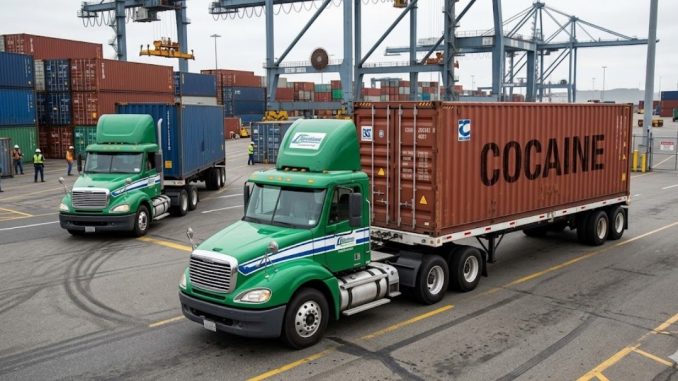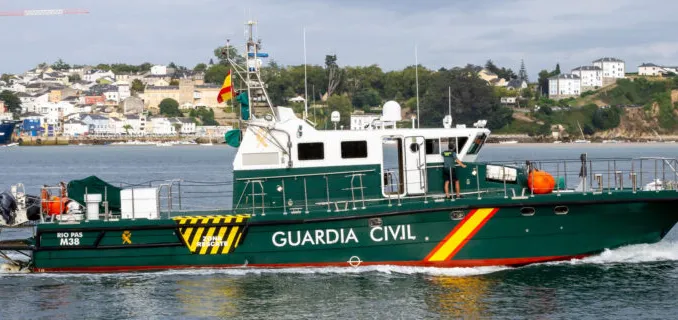
Spanish police intercepted more than 40 tonnes of cocaine off the coast of Africa on Friday, May 8, 2026. The massive drug bust, confirmed by authorities, represents one of the largest seizures in the region. The operation involved law enforcement efforts that culminated in the discovery of the illicit cargo, which was later transported to a secure location for processing. The interdiction of this significant amount of narcotics shows the ongoing challenges faced by international agencies in combating global drug trafficking networks.
Record Shipment Details
The cocaine was seized from a vessel that originated in Freetown, Sierra Leone, and was en route to Benghazi, Libya, according to authorities. The ship, intercepted off the coast of Africa, was found to be sailing under the flag of Comoros at the time of the interdiction. This detail regarding the vessel's registration is part of the ongoing investigation into the record-breaking 40-tonne cocaine bust. The journey from West Africa to North Africa notes a known trafficking route for illicit substances destined for European markets. The sheer volume of the seizure, exceeding 40 tonnes, makes it a notable event in the fight against organized crime. Law enforcement officials have emphasized the careful planning and coordination required to track and intercept a shipment of this magnitude.
Bolle Jos and Sierra Leone Links
Jos Leijdekkers, known as Bolle Jos, is believed to be managing his drug empire from Sierra Leone, reportedly with assistance from local authorities. The alleged presence and operations of Leijdekkers in the West African nation have drawn attention amid the investigation into the recent 40-tonne cocaine seizure. This significant bust has intensified scrutiny on his alleged activities and connections. Sierra Leone currently lacks an extradition treaty with the Netherlands, which could complicate efforts by Dutch authorities to apprehend Leijdekkers. This absence of a formal agreement between the two countries poses a significant hurdle for any potential legal proceedings against him, allowing him to potentially evade justice. The lack of such a treaty provides a protective barrier for individuals sought by Dutch law enforcement. Adding to the complexities, Jos Leijdekkers is reportedly engaged to the daughter of Sierra Leone’s president, Julius Maada Bio. This alleged familial link has raised questions about the extent of his influence and protection within the country, further complicating international efforts to address his criminal enterprise. The alleged personal connection to the presidential family has become a point of significant public and investigative interest.
Leijdekkers' Criminal Past
Jos Leijdekkers was ordered last year to pay €96 million to the Dutch state in what became the country's largest-ever proceeds of crime case. This record financial penalty shows the scale of his illicit gains as determined by Dutch courts. The previous year, he received a 24-year jail sentence in his absence, reflecting the severity of the charges against him and the Dutch judicial system's determination to prosecute him even without his physical presence. Separately, a court in Antwerp, Belgium, sentenced Leijdekkers to seven years in jail. That conviction stemmed from his role in importing at least 100 kilograms of cocaine through the North Sea port, according to court documents. These convictions highlight a pattern of involvement in large-scale drug trafficking and financial crimes across Europe, demonstrating a long history of engagement in international narcotics operations. His criminal activities have spanned multiple jurisdictions, leading to significant legal repercussions in various European nations.
Reactions and Denials
Several Dutch nationals were detained on board the vessel, which Spanish authorities intercepted with the record cocaine shipment. The presence of Dutch citizens on the intercepted ship further links the operation to European criminal networks, specifically those with ties to the Netherlands. The ship is currently tied up in port in Las Palmas, Gran Canaria, as investigations continue into its illicit cargo and crew. This port serves as a key point for processing evidence and interrogating those detained, allowing authorities to piece together the full scope of the trafficking operation.
In response to claims linking Jos Leijdekkers to the West African nation, the head of Sierra Leone’s National Security Agency stated there is no evidence supporting allegations that Bolle Jos is living in Sierra Leone. "Speaking on National television this morning, head of Sierra Leone’s National Security Agency, said there is no evidence supporting claims that Bolle Jos is living in Sierra Leone, and calls on anyone with information to report to the police," the official said. This public denial from a high-ranking Sierra Leonean official directly contradicts reports and suspicions circulating among international law enforcement agencies regarding Leijdekkers' whereabouts and activities. The agency's call for public information suggests an official stance of openness, despite the ongoing international speculation.