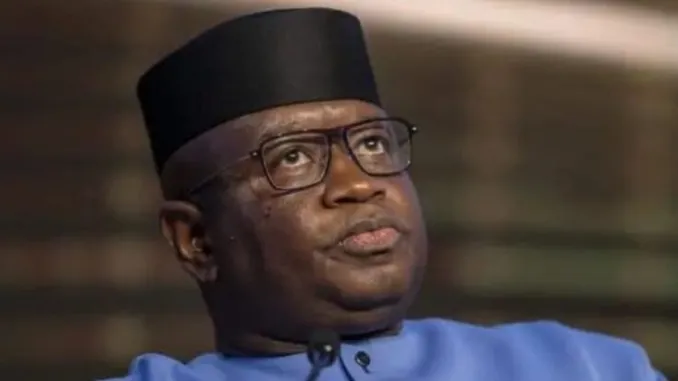
The Dutch government plans to introduce a motion in the European parliament, calling on the European Union to halt its development aid to Sierra Leone. This significant diplomatic move is prompted by serious allegations that President Bio is complicit in the growing global narcotics trade and is providing protection to cocaine baron Bolle Jos. Minister David van Weel of Justice and Security announced this initiative on the television program Binnenhof, explicitly citing concerns over the alleged protection of the notorious drug figure.
Minister van Weel articulated the Dutch government's strong position, stating, "It is, of course, bizarre that we facilitate or support a country that simultaneously offers a safe haven to one of the biggest drug criminals known worldwide." He further clarified the full nature of the Netherlands' review, indicating a broad examination of the situation. "So we are looking more broadly," he added, showing a thorough reassessment of aid provisions in light of these grave accusations. The Dutch government's intention to move this motion signals a firm stance against perceived state complicity in international drug trafficking.
EU Aid and Drug Trafficking Links
The European Union has allocated a substantial sum of €325 million in subsidies to Sierra Leone for the period covering 2021 to 2027. Beyond these direct subsidies, Sierra Leone also benefits significantly from additional regional and international programs funded by the EU, noting the breadth of European financial engagement in the nation. The Dutch government's concerns stem directly from allegations linking President Bio to the global narcotics trade, specifically regarding the alleged protection of drug baron Bolle Jos, who is also known as Leijdekkers. Leijdekkers faces a combined sentence of approximately 80 years in prison in the Netherlands and Belgium for a multitude of drug trafficking offenses, reflecting the severity and scale of his criminal enterprise. Estimates suggest that Leijdekkers generates an astonishing income of hundreds of millions of euros monthly from his illicit activities, making him a major player in the international drug trade.
Further implicating Sierra Leone in significant drug operations, Spanish authorities intercepted a boat in the Canary Islands in early May. The vessel was found to contain an immense quantity of drugs, estimated to be between 30,000 and 45,000 kilograms. Reports indicate that this substantial drug shipment was loaded in Freetown, Sierra Leone, before its interception, suggesting a key role for the West African nation as a transit point or origin for large-scale narcotics movements.
Dutch Pressure and Extradition Efforts
Bolle Jos is reportedly in a romantic relationship with President Julius Maada Bio's daughter, according to claims circulating among officials, adding a personal dimension to the allegations of protection. In early May, Dutch Minister David van Weel sought to exert direct pressure on the extradition process by engaging in discussions with his counterpart from Sierra Leone. The Dutch government has indicated that it has been informed for the past six months that Sierra Leone is actively working on the necessary extradition procedures for Leijdekkers. Despite these repeated assurances, the alleged drug baron remains at large, raising questions about the efficacy and sincerity of the ongoing efforts.
Last month, the Telegraaf newspaper reported on a significant, albeit unexecuted, operation. The Netherlands had prepared an extensive operation involving special police and navy forces with the specific intention of arresting Leijdekkers at sea in West Africa. However, this elaborate plan was ultimately called off before it could be executed, leaving the alleged drug lord still at large. The Dutch government's ongoing engagement with Sierra Leone and its planning of such operations highlight its sustained and determined efforts to secure Leijdekkers' extradition.
Broader Implications and Security Concerns
The Dutch Justice Minister has unequivocally stated that the arrest of Bolle Jos is among his top priorities, asserting that such an apprehension also serves Sierra Leone's own interests by upholding the rule of law and combating organized crime. The minister's comments show the Netherlands' unwavering commitment to combating international drug trafficking and its clear expectation for strong cooperation from Sierra Leonean authorities in this critical matter.
The article also suggests potential wider covert military action within Sierra Leone, drawing a stark parallel to the United States government's actions in Venezuela. This comparison implies that if diplomatic and legal avenues prove insufficient in addressing the widespread drug trafficking allegations and securing the extradition of Bolle Jos, more assertive, potentially unconventional, measures could be considered by international actors. The reference to Venezuela notes a precedent for international intervention in situations deemed critical to national security or international law enforcement, particularly when dealing with alleged state complicity in illicit activities. Such a development would represent a significant escalation of the current diplomatic tensions between the Netherlands and Sierra Leone, potentially leading to unforeseen consequences for regional stability and international relations.