Sierra Leone’s Minister of Foreign Affairs and International Cooperation and Chair of the ECOWAS Council of Ministers, Alhaji Timothy Musa Kabba, formally opened the 96th Ordinary Session of the ECOWAS Council of Ministers on Thursday, 16 July 2026. The session convened at the Bintumani International Conference Centre in Aberdeen, Freetown, serving as a critical forum for regional deliberation. This high-level meeting was held in preparation for the upcoming 69th Ordinary Session of the ECOWAS Authority of Heads of State and Government. The Council of Ministers’ gathering functions as a key preparatory step, meticulously addressing key regional issues and formulating recommendations before they are presented to the heads of state for final approval and action. The two-day meeting is designed to facilitate in-depth discussions and strategic planning among regional leaders.
Urgent Regional Challenges
During his opening remarks, Minister Alhaji Timothy Musa Kabba urged West African leaders to reinforce regional unity and cooperation to address the multifaceted political, economic, and security challenges confronting the sub-region. The Minister noted several critical issues impacting the area, emphasizing their interconnected nature and the necessity of a unified response. These include geopolitical uncertainty, the profound effects of climate change, persistent youth unemployment, and gender inequality, alongside widespread food insecurity that continues to affect millions across West Africa. The region also contends with severe threats such as terrorism, violent extremism, transnational organized crime, and irregular migration, in addition to the concerning rise of unconstitutional changes of Government in some member states. These challenges collectively show the urgent need for strong regional collaboration and concerted efforts.
Minister Kabba emphasized that the collective strength of the Economic Community of West African States (ECOWAS) is rooted in more than just its institutional framework. "The strength of ECOWAS lies not only in its institutions, but also in the unity, solidarity and political will of its members," he stated, showing the human element of regional cooperation. He affirmed Sierra Leone's unwavering dedication to regional stability and progress, reiterating its commitment to the core values and objectives of ECOWAS. "Sierra Leone remains committed to peacebuilding, democratic governance, gender equality, youth empowerment, human capital development and sustainable economic transformation throughout the region," Minister Kabba added, outlining the broad scope of Sierra Leone's contributions. He further noted that Sierra Leone's own experiences, particularly its journey through peace and development, offer valuable lessons for the broader community. "The country’s experience demonstrates that dialogue, solidarity and mutual respect remain effective pathways to lasting peace and development," Minister Kabba concluded, offering a hopeful perspective grounded in national experience.
Key Session Agenda Items
The full agenda for the 96th Ordinary Session of the ECOWAS Council of Ministers included a wide range of issues impacting the future of the Community, reflecting the diverse challenges and opportunities facing the region. Discussions were set to encompass critical areas such as institutional reforms aimed at enhancing the efficiency and effectiveness of ECOWAS bodies, regional peace and security initiatives designed to address ongoing conflicts and emerging threats, and infrastructure development projects key for economic integration and connectivity. Trade and investment policies, humanitarian concerns, and the diligent implementation of decisions previously made by the Authority of Heads of State and Government were also slated for thorough review.
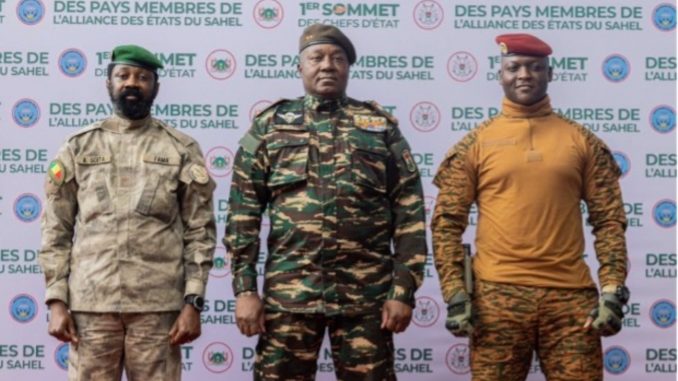
The Council was scheduled to consider the 2026 Interim Report on the State of the Community, a vital document providing an overview of regional progress and challenges. Further items on the agenda involved an in-depth assessment of ECOWAS’ financial position, examining budgetary allocations and financial sustainability, and the implementation status of prior decisions, ensuring accountability and follow-through. Reports from various statutory committees, offering specialized insights and recommendations across different sectors, were also presented for consideration during the session. The meeting was a two-day event, allowing ample time for detailed deliberations and consensus-building on these key topics. The Council would also delve into initiatives on digital transformation, aiming to leverage technology for regional development, investment promotion to attract vital capital, cultural cooperation to foster regional identity, and gender equality to empower women and girls. Telecommunications infrastructure, agricultural development, expanded trade opportunities, advancements in science and innovation, and the strategic relations with the Alliance of Sahel States were also key areas of focus, demonstrating ECOWAS's holistic approach to regional development and stability.
Commission President's Reflections
The President of the ECOWAS Commission, H.E. Dr. Omar Alieu Touray, reflected on the achievements and challenges of his four-year tenure, providing a candid assessment of the regional landscape. He cited political transitions, growing security threats including terrorism and violent extremism, economic uncertainty exacerbated by global factors, a fragile international environment, and the regrettable withdrawal of three Member States as significant difficulties confronting the organization during his leadership. Despite these formidable obstacles, Dr. Touray stated, "The Commission has worked closely with Member States and the Council to advance the vision of ECOWAS despite unprecedented regional and global challenges." He showed the importance of collective action, noting, "Progress achieved during my tenure resulted from collective effort," acknowledging the collaborative spirit within the Community.
Dr. Touray noted several key reforms that strengthened governance, accountability, and institutional performance within ECOWAS. These included the operationalization of the Permanent Representatives Committee, which now serves as an advisory body to the Council, enhancing consultation and decision-making processes. Dr. Touray emphasized that these milestones demonstrated Member States' unwavering commitment to the regional integration agenda. "Those milestones demonstrate the determination of Member States to build stronger institutions capable of serving West Africans more effectively," H.E. Dr. Omar Alieu Touray said, expressing confidence in the future trajectory of the organization. He added, "Regional unity, institutional reforms and economic integration are essential to West Africa’s future," linking these pillars directly to the region's prosperity and stability. Dr. Touray concluded that "ECOWAS possesses the resilience, institutional capacity and political will required to advance peace, stability, economic integration and sustainable development across West Africa," projecting a strong and capable future for the Community. He also affirmed that "The Council had continued to provide strategic direction and oversight in implementing ECOWAS programmes and policies," recognizing the vital role of the Council of Ministers.
Path Forward for ECOWAS
Minister Alhaji Timothy Musa Kabba stated that upholding the principles of the Economic Community of West African States (ECOWAS) would help preserve peace, strengthen democratic governance, deepen economic integration, and ultimately improve the lives of more than 400 million citizens across West Africa. The meeting will meticulously examine initiatives focusing on digital transformation, aiming to bridge the technological gap and foster innovation across the region. Investment promotion strategies will be discussed to attract key capital for sustainable development, alongside cultural cooperation efforts to reinforce shared heritage and identity. Gender equality programs will be a key focus, seeking to empower women and ensure their full participation in all sectors. Discussions will also cover advancements in telecommunications, sustainable agriculture practices, expansion of intra-regional trade, promotion of science and innovation, and the strengthening of relations with the Alliance of Sahel States to address shared security and development challenges. Milestones noted during the session included the successful completion of a joint border post between Côte d’Ivoire and Ghana, a testament to regional cooperation in infrastructure development. The establishment of the ECOWAS Business Council under the leadership of Aliko Dangote was also noted as a significant step towards fostering private sector engagement and economic growth. The relocation of the Commission to its new headquarters in Abuja symbolizes a new chapter for the organization, enhancing its operational capacity. ECOWAS was established in 1975, and its enduring mission continues to be the promotion of cooperation and integration, leading to the establishment of an economic union in West Africa.