The European Union announced €175,000 in humanitarian assistance on August 24, 2026, to support people affected by severe flooding across Freetown and the Western Area Urban District. This aid aims to address the urgent needs of those impacted by the disaster, providing key support in the wake of widespread devastation. The financial commitment shows the EU's dedication to humanitarian efforts in regions grappling with natural calamities.
The Sierra Leone Red Cross Society will utilize the funds to provide critical assistance to approximately 5,100 individuals in 27 flood-affected communities. This targeted intervention is designed to deliver immediate relief and help alleviate the severe humanitarian consequences of the floods in the region. The support is expected to reach those most vulnerable, ensuring that essential services and resources are distributed effectively to mitigate suffering and aid in early recovery efforts.
Flood Devastation and Impact
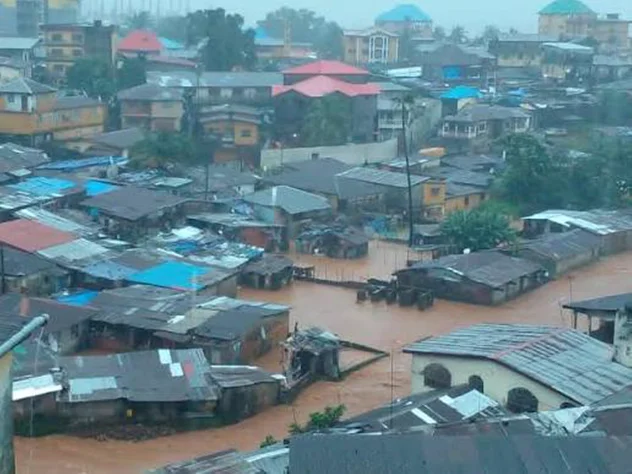
Continuous heavy rainfall earlier in August led to fatalities, displaced residents, and the destruction of homes and critical infrastructure across Freetown and the Western Area Urban District. The intensity and duration of the rainfall overwhelmed existing drainage systems, leading to widespread inundation. The flooding event is described as Freetown's most severe flooding emergency since 2022, noting the significant scale of the disaster and its profound impact on the local population.
Reports indicate that more than 700 homes sustained damage or were completely destroyed by the floods, leaving thousands without shelter. The widespread impact has created significant humanitarian challenges across the affected areas, including concerns over access to clean water, sanitation, and basic necessities. The loss of homes and infrastructure has exacerbated existing vulnerabilities within the communities, demanding a strong and immediate humanitarian response.
Humanitarian Response Details
Support for flood victims will encompass a full package of aid designed to address immediate and pressing needs. This includes multipurpose cash transfers, which offer flexibility for affected families to purchase essential items tailored to their specific requirements. Emergency shelter provisions will be key for those whose homes were damaged or destroyed, offering a safe haven as recovery efforts begin. Additionally, vital water, sanitation, and hygiene services will be implemented to prevent the outbreak of waterborne diseases, a common risk in flood-affected regions.
The humanitarian aid package also includes livelihood recovery initiatives, aiming to help individuals and families restore their economic stability after the disaster. This could involve support for small businesses or agricultural activities that were disrupted by the floods. Health assistance will be provided for those affected by the disaster, addressing medical needs and ensuring access to necessary healthcare services in the aftermath of the emergency. This multi-faceted approach aims to provide holistic support to the affected population.
The €175,000 assistance from the European Union constitutes part of its contribution to the Disaster Response Emergency Fund (DREF), which is managed by the International Federation of Red Cross and Red Crescent Societies (IFRC). This funding mechanism facilitates rapid responses to unforeseen crises around the globe, enabling humanitarian organizations to act swiftly when disasters strike. The European Commission has also formally signed a broader €16 million humanitarian delegation agreement with the International Federation of Red Cross and Red Crescent Societies, further solidifying their partnership in global humanitarian efforts and demonstrating a sustained commitment to supporting vulnerable populations worldwide. This larger agreement provides a framework for continued cooperation on various humanitarian initiatives.
Ongoing Risks and Warnings
The European Union warned that the threat facing vulnerable communities in Freetown has not ended, despite the immediate aid efforts. The possibility of further flash floods, soil erosion, and landslides remains high across Sierra Leone due to the country’s continuing rainy season. This ongoing environmental risk poses a significant challenge for recovery efforts and the safety of residents in affected areas, requiring continuous monitoring and preparedness measures. Authorities and humanitarian organizations remain vigilant, recognizing the potential for further natural hazards to impact communities already reeling from the recent devastation.