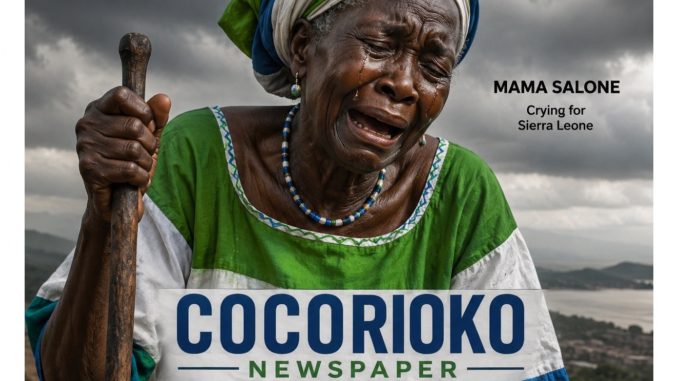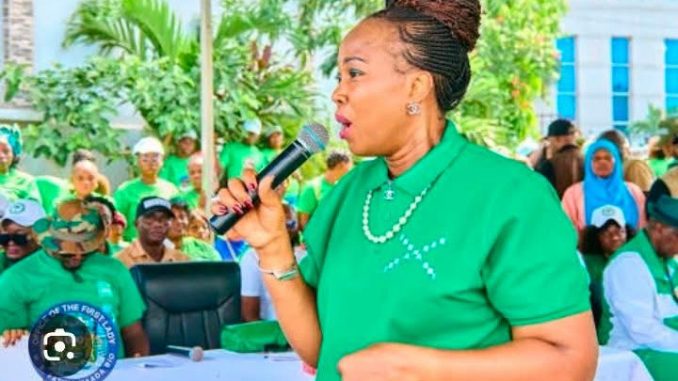
Sierra Leone's First Lady, Fatima Maada Bio, recently sparked considerable debate by publicly stating her personal stance on female genital mutilation (FGM). She affirmed that she did not allow her own daughters to undergo circumcision, explaining her decision by saying she "did not want to see them cry." This declaration by Mrs. Maada Bio, whose husband is President Maada Bio, has brought her role in addressing the practice under scrutiny, noting the complex intersection of personal choice and public leadership on a deeply sensitive cultural issue. Her remarks have prompted widespread discussion, given her prominent position and the ongoing national conversation surrounding FGM.
Global Norms and Personal Choice
First Lady Fatima Maada Bio has previously articulated her opposition to involuntary circumcision, unequivocally condemning any initiation rituals performed without explicit consent. This firm stance aligns with global efforts to eradicate female genital mutilation (FGM), which is internationally recognized as a severe violation of human rights. The First Lady's recent remarks, emphasizing her personal choice regarding her daughters' non-circumcision, contribute significantly to a broader discussion on the practice in Sierra Leone. Her decision to speak openly about her family's experience offers a personal dimension to a public health and human rights challenge. The article containing these details is published under the "ACTION NEWS" and "COMMENTARY" categories, indicating its focus on current events and analytical perspectives on the issue, inviting readers to consider both the factual developments and their implications.
Navigating Cultural Practices
Recent public discourse has included criticism directed at First Lady Fatima Maada Bio regarding her association with Bondo-related engagements. This criticism has been amplified by remarks interpreted by some stakeholders as lacking clarity on the future of the practice, leading to concerns about the direction of efforts to address FGM. This criticism has emerged as Mrs. Maada Bio navigates her complex role in public life while addressing a sensitive cultural issue that is deeply rooted in Sierra Leonean society. Her engagements, particularly those perceived as ambiguous, have drawn attention to the inherent complexities surrounding FGM in Sierra Leone, where traditional practices often intersect with modern human rights considerations and public health imperatives. The First Lady's statements, particularly those concerning her personal choices for her daughters, have been central to the ongoing discussion about how to effectively address the practice within the country. The public's varied reaction shows the profound challenge of balancing respect for cultural heritage with the global movement to end FGM and protect the rights of women and girls.
Implications for Women's Rights
Global health and human rights organizations widely regard female genital mutilation (FGM) as a profound violation of the rights of women and girls. This perspective shows the international consensus that the practice infringes upon physical integrity, health, and freedom from violence, causing long-term physical and psychological harm. The discussion around Sierra Leone's First Lady, Fatima Maada Bio's, stance on FGM, particularly her decision regarding her own daughters, brings these global principles into sharp focus within a national context where FGM remains prevalent. Her statements contribute to an ongoing dialogue about how individual choices and leadership roles intersect with the broader movement to protect women's rights and eliminate harmful traditional practices. This dialogue notes the complexities involved in advocating for human rights while respecting diverse cultural landscapes and the need for nuanced approaches. The First Lady's position, while rooted in personal conviction, carries significant weight due to her public office and its potential influence on national conversations about gender equality and the well-being of women and girls across Sierra Leone. Her leadership in this sensitive area is closely watched by both national and international stakeholders.