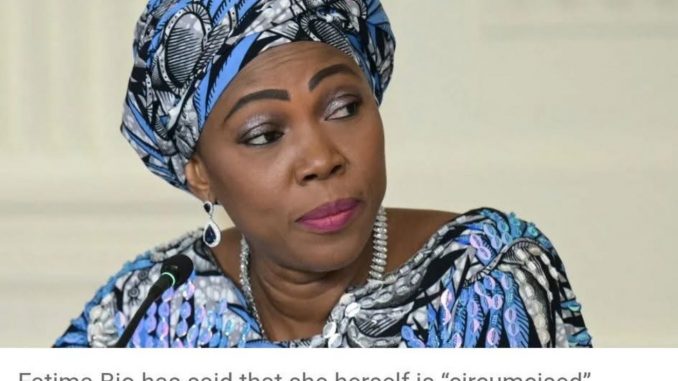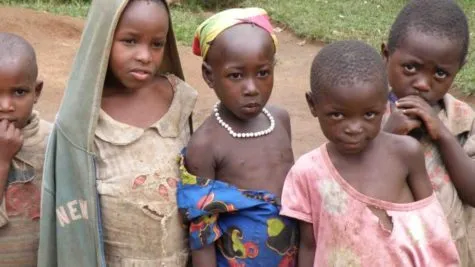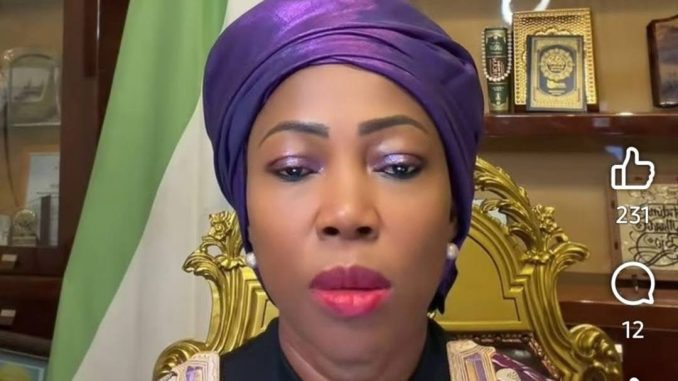
The First Lady has clearly and publicly condemned the forceful initiation of women and girls into the Sande Society within Sierra Leone, specifically addressing the initiation of underage girls. Her stance marks a clear public position against practices she has identified as coercive. This condemnation notes concerns regarding consent and age in traditional societal practices, particularly for minors. The First Lady's statement shows a focus on protecting vulnerable individuals from non-consensual participation in such ceremonies, emphasizing the importance of individual rights within cultural contexts. Her outspoken position serves as a vital call for safeguarding the well-being of all women and girls in Sierra Leone.
Upholding Rights and Tradition
Supporting cultural institutions, according to the First Lady's perspective, does not equate to endorsing abuse. Conversely, she asserts that opposing abuse does not necessitate abandoning national identity. This nuanced view acknowledges the value of tradition while firmly rejecting any elements that cause harm. The First Lady's position emphasizes a need to protect women and girls from coercion, safeguarding their health, and ensuring that any cultural reforms are driven by Sierra Leoneans themselves through respectful, internal dialogue. This approach aims to ensure that any changes are culturally appropriate and locally initiated, fostering a sense of ownership and sustainability for reforms. She firmly believes that the focus must remain on protecting women and girls from coercion, safeguarding their health, and ensuring that any cultural reforms are driven by Sierra Leoneans themselves through respectful, internal dialogue, rather than imposed from external sources.
Legal Framework for Protection
A strong legal framework exists to protect children from harmful practices in Sierra Leone. Section 33 of the Child Rights Act of 2007 explicitly mandates that no person shall subject a child to any social or cultural practice that is harmful to the child’s health or well-being. This legislative provision aims to safeguard minors from traditions that might pose risks to their physical or mental welfare, providing a critical legal foundation for the First Lady's advocacy. The national age of majority is legally established at eighteen, defining who is considered a child under the Child Rights Act. This legal standard provides a clear demarcation for the application of protective measures outlined in the Act, including those related to cultural practices. This legal clarity is key for ensuring accountability and upholding the rights of children across the nation. The First Lady's stance reinforces the necessity of adhering to these established legal protections, particularly concerning the initiation of underage girls into the Sande Society.
Path to Sustainable Reform
The First Lady's advocacy for a model rooted in legal consent and the protection of minors offers a sustainable approach that both upholds the rule of law and preserves national heritage. This strategy emphasizes the critical need to enforce the established age of consent, prevent institutional overreach, and ensure that any evolution of our customs is driven organically from within the community. The trajectory for reform, as articulated, centers on internal, respectful dialogue and adherence to statutory requirements, rather than embracing external pressures or coercion. By championing a model based strictly on legal consent and the protection of minors, the First Lady provides a sustainable roadmap that upholds the rule of law while preserving our heritage. This forward-looking approach ensures that progress is achieved through dialogue and legal compliance, benefiting all members of society while respecting the essence of Sierra Leonean identity. The focus must remain firmly on enforcing the age of consent, preventing institutional overreach, and ensuring that any evolution of our customs is driven organically from within.