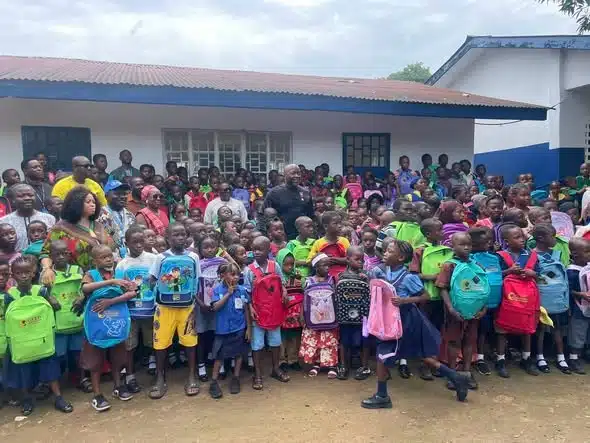
The GEED Foundation recently provided educational materials to 300 schoolchildren from various wharf and coastal communities across Freetown. This initiative aims to support students in Sierra Leone's capital with essential supplies for their studies, directly addressing the needs of young learners in vulnerable areas. The provision of these materials is a key component of the foundation's ongoing efforts to enhance access to education and foster a supportive learning environment for children in the city.
Foundation's Mission and Impact
The distribution of educational materials aligns with the GEED Foundation's broader mandate of educational and humanitarian interventions. This initiative forms a core part of the GEED Foundation’s commitment to supporting communities. The organization works to support various community needs beyond academic supplies, extending its reach into different facets of community development. Demonstrating its commitment to both educational and community development, the GEED Foundation sponsored Sierra Leone's inaugural Coastal Unity Boat Race last year. That event noted the foundation's engagement with local communities and its efforts to foster unity through cultural and sporting initiatives, bringing together residents from diverse backgrounds. The current provision of materials to 300 schoolchildren reflects an ongoing commitment to bolstering educational opportunities in Freetown's wharf and coastal areas, building on previous community-focused activities and reinforcing the foundation's dedication to the well-being of the youth. The foundation consistently seeks to implement programs that have a tangible and positive impact on the lives of individuals and families within these communities.
Community and Leadership Perspectives
Representatives from the Ministry of Tourism and Cultural Affairs and Rokel Commercial Bank attended the recent ceremony where educational materials were distributed. Their presence showed the collaborative nature of the initiative, involving both governmental and private sector entities in support of Freetown's schoolchildren. This multi-sectoral approach notes a shared commitment to improving educational outcomes and community welfare in the capital. Such partnerships are key for maximizing the reach and effectiveness of humanitarian efforts, ensuring that resources are channeled efficiently to those who need them most.
The GEED Foundation has a history of community engagement beyond the recent material distribution. The organization previously collaborated with Excel Daycare, Nursery, Primary and Secondary School to provide school furniture to educational institutions within the Gloucester community. This past initiative supplied furniture valued at thousands of Leones, demonstrating the foundation's commitment to enhancing learning environments through tangible contributions. These efforts reflect a consistent focus on educational and community development in Sierra Leone, aiming to create sustainable improvements in the educational infrastructure. The foundation's work in Gloucester exemplifies its strategy of investing in the physical learning spaces as well as providing direct aid to students.
Voices from Beneficiaries and Leaders
The distribution of educational materials took place during a formal ceremony at the Government Municipal Secondary School in Kissy Dockyard. This event facilitated the direct handover of essential school supplies to the 300 beneficiaries. The school supplies were distributed to the schoolchildren from different wharf and coastal communities across Freetown at this central location. The Government Municipal Secondary School in Kissy Dockyard provided a central point for students from various wharf and coastal communities to receive their support packages, ensuring accessibility for all recipients. The ceremony showed the GEED Foundation's commitment to directly engaging with the communities it serves, ensuring the materials reached the intended schoolchildren. The choice of a local school for the distribution reinforced the educational focus of the initiative, making the resources immediately accessible within a familiar academic setting. This approach aimed to maximize the impact of the donations by integrating the distribution process within the community's existing educational infrastructure, fostering a sense of ownership and direct support among the students and their families. The foundation's direct engagement ensures accountability and builds trust within the communities it assists.