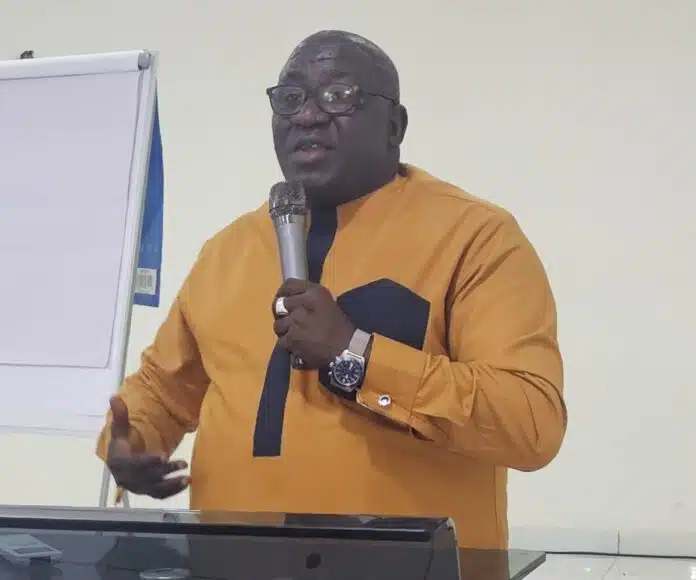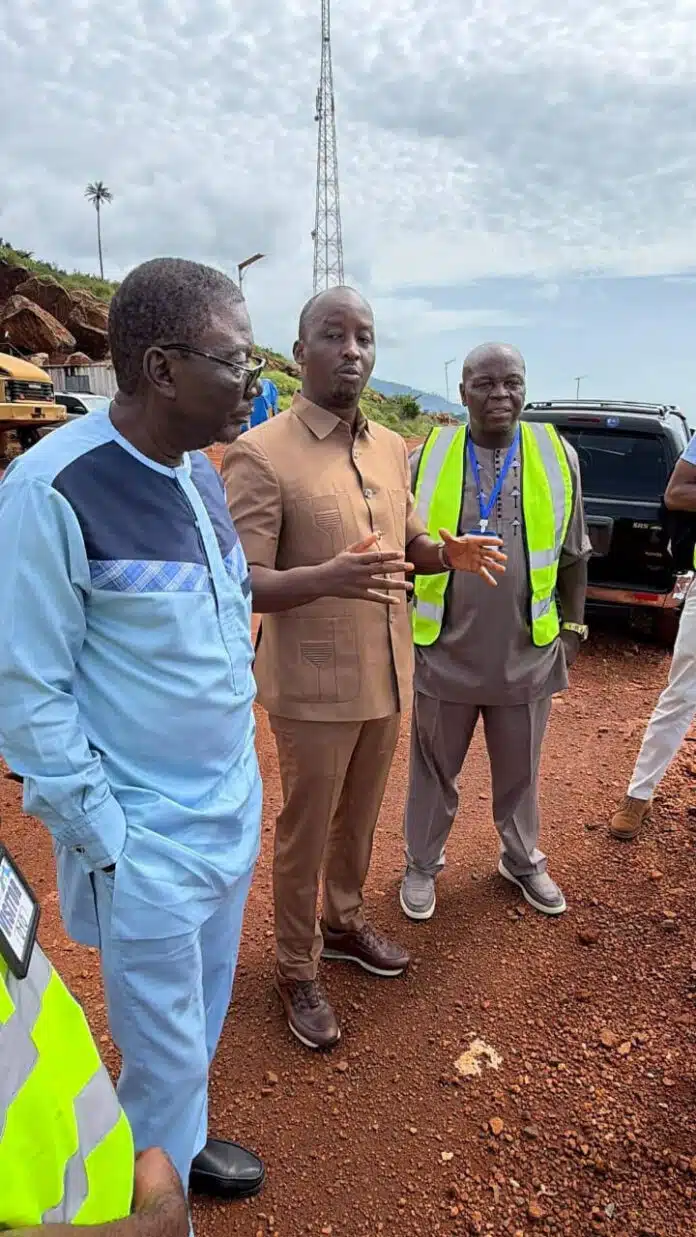
Mohamed Gento Kamara, CEO of Gento Group of Companies, appealed to the Government on Monday, September 7, 2026, to release outstanding funds for the Kent Harbour project. Kamara stated that an additional US$45 million is required to complete the remaining work. He claimed that Parliament had repeatedly urged the Ministry of Finance to fulfill the Government’s financial obligations. This urgent appeal was made during a significant site visit by executives of the Sierra Leone Labour Congress (SLLC) to the project site at Kent, showing the broad interest in the project's timely completion.
"The Government has an undertaking in the agreement involving a concession loan and that obligation should be met," Kamara said. He added, "This project is capital-intensive and expensive. It is costing us less because we are a construction company with the machinery and workforce already in place." Kamara clarified that the estimated cost for Gento Group is US$75 million, suggesting it could have exceeded US$200 million for another company. "Our main target is Banana Island. Kent will serve as a logistics hub for Banana Island and will also function as a port, as clearly stated in the agreement," he noted. Kamara's statements noted the dual role of the facility, which is designed to support future developments while also providing immediate logistical benefits.
Project Scope and Investment
The Kent Harbour and Logistics Port project carries an estimated cost of US$75 million. Mohamed Gento Kamara stated that the overall cost was reduced due to Gento Group's existing machinery, technical capacity, and workforce. "This project is capital-intensive and expensive," Kamara said, adding, "It is costing us less because we are a construction company with the machinery and workforce already in place. If it had been undertaken by another company without those resources, it could have cost more than US$200 million. For us, the estimated cost is US$75 million." This cost efficiency, according to Kamara, is a direct result of the company's integrated capabilities and local expertise, allowing for significant savings compared to external contractors.
Kamara explained that the Kent facility would operate as both a port and a logistics hub, primarily supporting a proposed larger port on Banana Island. "Our main target is Banana Island. Kent will serve as a logistics hub for Banana Island and will also function as a port, as clearly stated in the agreement," he noted. This strategic positioning is intended to streamline supply chains and enhance regional connectivity. Gento Group will not directly operate the port; instead, operations would fall under the oversight of the Sierra Leone Ports and Harbours Authority. "We will engage the Ports Authority and appoint an operator," Kamara clarified, stating, "Gento Group will not operate the port; we will serve as the landlord because we own the facility." This model ensures that while Gento Group retains ownership and developmental control, the operational aspects will be managed by specialized port authorities, aligning with national port management standards.
Kamara also emphasized the group's commitment to local employment and relations. "We are involved in construction and employ people, so we need to maintain a good relationship with the Labour Congress," he said. This focus on local engagement is critical for the project's long-term success and community integration. He added, "Many people doubted that a Sierra Leonean would get the job done but I proved them wrong." This sentiment reflects a broader commitment to demonstrating local capacity and fostering national development through significant infrastructure projects.
Labour Congress Assesses Progress
The appeal for funds was made during a site visit by executives of the Sierra Leone Labour Congress (SLLC) to the Kent Harbour project. The SLLC delegation visited the site to assess the construction progress and evaluate the port's potential impact on trade, employment, and the overall national economic development of Sierra Leone. The SLLC's presence showed the project's national importance and its potential to address pressing economic challenges.
The SLLC described the ongoing congestion at the Queen Elizabeth II Quay in Freetown as a national emergency. This critical assessment notes the urgent need for additional port infrastructure to alleviate bottlenecks and improve efficiency. They believe that the completion of the Kent Port could offer additional capacity to address these issues. The Labour Congress further indicated that bringing the Kent Port into operation would improve trade flows, create new job opportunities, and stimulate economic growth within the country. The SLLC delegation, during their assessment, specifically evaluated how the new facility could contribute to resolving the persistent challenges faced by the existing port infrastructure, which has been a significant impediment to economic progress. Their findings suggested that the Kent Port represents a vital opportunity to enhance the nation's logistical capabilities and foster a more strong economic environment.
Government's Financial Obligation
The concession loan arrangement for the Kent Harbour project received approval from Cabinet and was subsequently ratified by Parliament. This formal government backing signifies a strong commitment to the project at the highest levels of national governance. The agreement underpinning the project had been signed approximately two years before September 11, 2026, indicating a long-standing commitment to its realization. Separately, the Ministry of Transport and Aviation had also formally communicated with the Ministry of Finance regarding the financial aspects of the project, reiterating the need for the release of funds. These communications and approvals confirm the government's official obligation to provide the necessary financial support for the project's completion, as outlined in the initial agreements. The repeated calls from Parliament and the Ministry of Transport and Aviation show the consensus within various government bodies regarding the project's strategic importance and the necessity of fulfilling financial commitments to ensure its timely delivery.
CEO's Vision and Personal Journey
Approximately US$30 million has already been invested in the Kent Harbour project, representing a significant commitment from Gento Group. Mohamed Gento Kamara, CEO of Gento Group, stated that his return to Sierra Leone was prompted by an encounter with the late President Ahmad Tejan Kabbah in England. This personal connection to national service has evidently fueled his dedication to large-scale development initiatives within the country. Kamara emphasized his commitment to national development, noting, "Many people doubted that a Sierra Leonean would get the job done but I proved them wrong." This statement reflects a deep-seated desire to showcase local capabilities and contribute meaningfully to the nation's progress. He further noted the company's self-reliance in project execution, explaining, "This project is capital-intensive and expensive. It is costing us less because we are a construction company with the machinery and workforce already in place." Kamara added that the estimated cost for Gento Group is US$75 million, a figure he believes is substantially lower than what other companies might have charged due to the group's integrated resources and expertise. His vision extends beyond mere construction, aiming to establish critical infrastructure that will serve as a foundation for future economic growth and development in Sierra Leone.