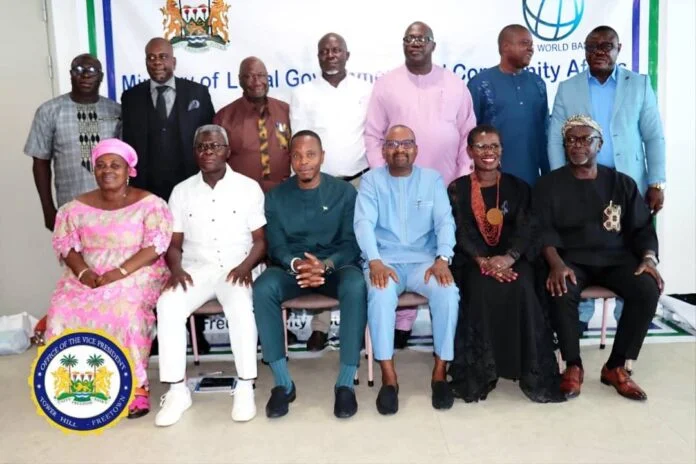
On May 8, 2026, the Sierra Leone Civil Aviation Authority (SLCAA), in collaboration with the Presidential Hajj Task Force, convened a strategic coordination meeting at Freetown International Airport, Lungi, to strengthen preparedness for the 2026 Hajj operations. The gathering occurred as Chief Immigration Officer Moses Tiffa Baio moved to supersede a circular issued by his subordinate just 24 hours prior. By May 8, Mr. Baio assured airlines that previous immigration policies remained unchanged, expressing gratitude for their cooperation and formally overriding the earlier communication. This swift intervention aimed to mitigate confusion among international carriers operating into Sierra Leone.
Hajj Readiness Underway
Sierra Leonean pilgrims are scheduled to begin their departures for the Kingdom of Saudi Arabia on specific dates in May. Departures are expected to take place on May 15, May 16, and May 18, 2026. This staggered schedule aims to manage the flow of pilgrims undertaking the annual Hajj, a sacred journey for Muslims worldwide. The arrangements follow recent discussions and clarifications regarding immigration policies affecting international travel from Sierra Leone, particularly in the lead-up to this significant religious event. Airlines including ASKY Airlines, Ethiopian Airlines, Royal Air Maroc, Turkish Airlines, Brussels Airlines, Air Peace, Air Sierra Leone, and Kenya Airways are among those involved in facilitating these flights. The coordinated effort seeks to ensure a smooth and efficient pilgrimage process for all participants, emphasizing logistical precision and regulatory clarity.
Immigration Policy Chaos
On May 8, 2026, Chief Immigration Officer Moses Tiffa Baio issued a formal directive to eight international airlines, seeking to clarify immigration policies. This directive followed an immediate alarm raised across ASKY Airlines, Ethiopian Airlines, Royal Air Maroc, Turkish Airlines, Brussels Airlines, Air Peace, Air Sierra Leone, and Kenya Airways. The airlines had reacted to a circular issued just a day prior, on May 7, 2026, by the Head of Immigration at Lungi. That withdrawn circular had introduced new verification requirements specifically for non-national passengers claiming residency in Sierra Leone, prompting concerns among the affected carriers about potential disruptions and delays. The rapid retraction by Chief Baio showed the urgency of addressing the policy inconsistency and maintaining operational stability at the airport.
Systemic Authority Issues
In 2008, the Anti-Corruption Commission of Sierra Leone (ACC) convened the Airport Operations Review Committee to examine procedures at Freetown International Airport, Lungi. The committee's findings noted fragmented authority as a significant structural vulnerability within the airport's operations. This identification of systemic issues shows long-standing concerns regarding the clarity and hierarchy of command at key national entry points. The review committee's report pointed to a diffusion of power across various agencies, which could lead to inconsistencies in policy implementation and enforcement. The ACC's findings from nearly two decades ago identified that the lack of a unified command structure created potential for operational inefficiencies and policy confusion, a situation that may continue to impact current administrative actions and decision-making processes, as evidenced by the recent immigration policy reversal.
Airport Operations Concerns
The Sierra Leone Civil Aviation Authority (SLCAA) inspected the pilgrims’ holding center, reviewing passenger processing arrangements, crowd management systems, and safety and security procedures. This inspection is a critical component of ensuring the welfare and smooth transit of pilgrims. The SLCAA stated it cannot be held responsible for the immigration function, as it falls under a separate authority. This delineation of responsibilities further illustrates the fragmented nature of airport management, where different agencies operate with distinct mandates. The SLCAA's role focuses on aviation safety, security, and regulatory oversight of air travel, while immigration matters remain under the purview of the Chief Immigration Officer and his department. This separation of powers, while standard in many countries, can sometimes lead to coordination challenges, especially during peak travel periods like the Hajj.