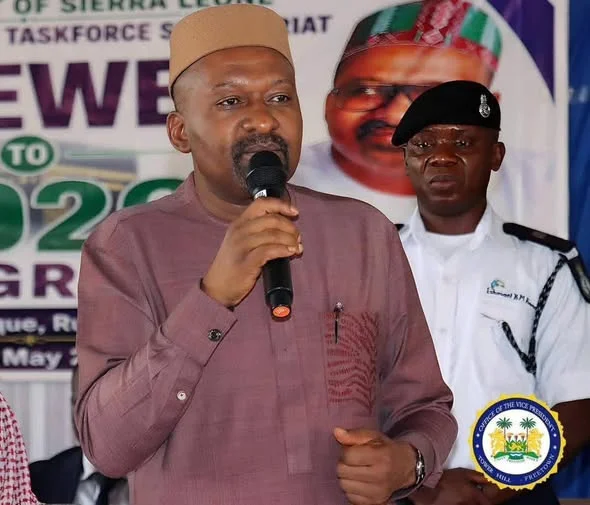
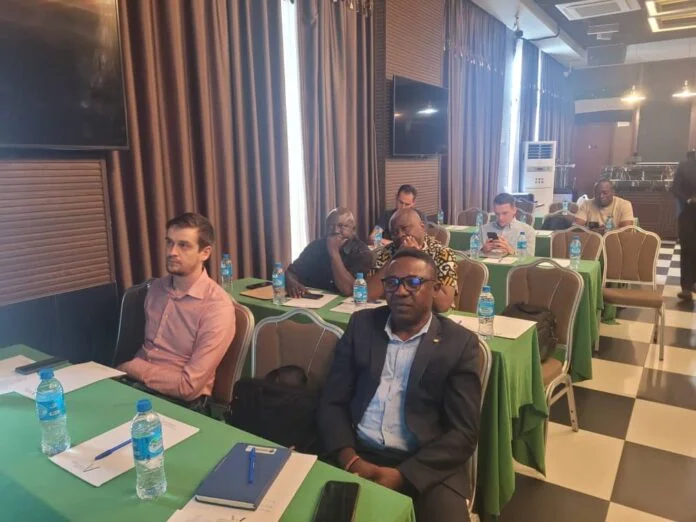
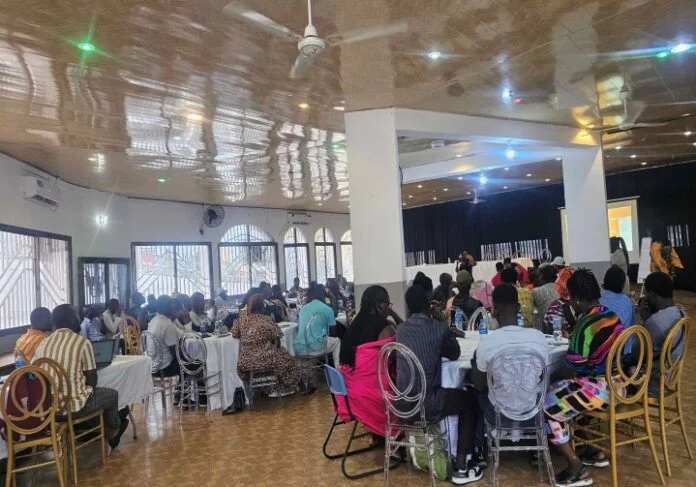
Baisnab Charan Pradhan, the High Commissioner of India to Sierra Leone, hosted a strategic briefing on Wednesday, May 6, 2026, at the Lagoonda Hotel in Aberdeen, Freetown. The event served as a precursor to the Fourth India-Africa Forum Summit (IAFS-IV) and the India-Africa Business Dialogue and Exhibition. This significant gathering was designed to inform stakeholders about the extensive opportunities arising from the deepening economic and strategic ties between India and the African continent. The India-Africa Business Dialogue and Exhibition is specifically scheduled for May 29 to 31, 2026, in New Delhi, promising a focused platform for engagement. The briefing noted upcoming opportunities for Sierra Leone within the framework of this significant bilateral engagement, emphasizing areas ripe for investment and collaboration. High Commissioner Pradhan stated, "The partnership between India and Africa is built on" a foundation of mutual growth and cooperation, emphasizing the potential benefits for participating nations and the shared vision for sustainable development.
India-Africa Partnership Deepens
The first India-Africa Forum Summit (IAFS) convened in New Delhi in 2008, establishing a full framework for bilateral engagement and setting the stage for a new era of cooperation. This inaugural summit laid the groundwork for regular high-level dialogues and partnerships. Following this, the second summit took place in Addis Ababa in 2011, continuing the dialogue between India and African nations and building upon the initial commitments. New Delhi hosted the third edition of the summit in 2015, further cementing the partnership and expanding the scope of collaboration across various sectors. The upcoming fourth summit, IAFS-IV, will operate under the theme “IA SPIRIT – India Africa Strategic Partnership for Innovation, Resilience and Inclusive Transformation,” according to organizers, reflecting a forward-looking agenda focused on sustainable and inclusive development. This theme shows a commitment to leveraging innovation for progress, building resilience against global challenges, and ensuring that the benefits of partnership are broadly distributed across societies.
The economic relationship between India and African countries has demonstrated strong growth, with bilateral trade surpassing US$100 billion during the 2024-2025 period, indicating significant economic ties and a dynamic exchange of goods and services. This substantial trade volume notes the increasing interdependence and mutual economic benefit derived from these partnerships. Indian investments across Africa are also substantial, currently ranging between US$75 billion and US$80 billion, reflecting a strong commitment to long-term development in the continent. These investments span a wide array of sectors, contributing to job creation, technological transfer, and infrastructure development. The partnership between India and Africa is focused on strategic sectors, including energy, mining, and infrastructure development, which are critical for economic growth and industrialization across Africa. Telecommunications and agriculture also represent key areas of collaboration, aimed at improving connectivity, food security, and rural livelihoods. Additionally, the pharmaceutical sector, key for public health, and digital technology initiatives, vital for modern economies, are central to the deepening engagement between India and African nations, fostering innovation and access to essential services. These strategic areas are identified as key for driving economic transformation and improving the quality of life for millions.
Sierra Leone's Economic Horizon
For Sierra Leone, the upcoming summit presents a unique opportunity to attract further foreign direct investment and forge new partnerships. Potential sectors identified for future collaboration between India and Sierra Leone include agriculture and agro-processing, which are vital for food security and economic diversification. Mining and critical minerals represent another significant area, given Sierra Leone's rich natural resources and India's growing industrial needs. Infrastructure development, essential for economic growth and connectivity, and renewable energy, key for sustainable development and combating climate change, also stand out as key areas for partnership. Healthcare modernization, aimed at improving public health outcomes, digital economy initiatives, fostering technological advancement, and fintech innovation, driving financial inclusion, are also high-priority sectors. Pharmaceuticals, education, and human capacity development represent areas for potential partnership, promising to enhance access to medicines, improve skill sets, and strengthen human capital. The India-Africa Business Dialogue (IABD) has been characterized as a flagship private-sector platform specifically designed to facilitate such engagements, bringing together businesses, investors, and policymakers to explore and capitalize on these opportunities. This platform serves as a critical bridge for fostering direct business-to-business connections and facilitating investment flows.
India has historically supported Sierra Leone through various mechanisms, demonstrating a consistent commitment to its development. These mechanisms include concessional loans, which provide flexible financing for key projects, and grants, offering direct financial aid for specific development initiatives. Training programs have also been instrumental in building local expertise and human capacity across various sectors. India has provided significant infrastructure support, contributing to the development of vital public works, and broader socio-economic development initiatives, aimed at improving living standards and fostering sustainable growth. These efforts show a growing economic relationship between the two nations, built on mutual respect and shared development goals. Dr. Edward Hinga Sandy, Executive Director of the National Investment Board (NIB), described the upcoming India-Africa Business Dialogue and Exhibition as a strategic opportunity for Sierra Leone, indicating its potential to attract further investment and collaboration across these identified growth sectors. He emphasized the importance of Sierra Leonean businesses and government agencies actively participating to maximize the benefits.
India has progressively solidified its position as one of Sierra Leone’s primary trade and investment partners, a testament to the deepening bilateral ties. A significant milestone in this relationship is the establishment of Sierra Leone’s first steel industry by an Indian investor, marking a substantial contribution to the country's industrial development and job creation. This large-scale investment notes the confidence of Indian businesses in Sierra Leone's economic potential. Beyond heavy industry, Indian companies are also making inroads in the agricultural sector, which is a cornerstone of Sierra Leone's economy. Pee Cee & Sons, for example, is pioneering large-scale onion farming and developing local palm oil processing initiatives within Sierra Leone, aiming to enhance agricultural productivity, reduce reliance on imports, and add significant value to local produce. These initiatives not only boost local economies but also contribute to food security and rural development.
Oluniyi Robin Coker, President of the Sierra Leone Chamber of Commerce (SLCC), Industry and Agriculture, stated that the summit holds the potential to unlock significant economic opportunities for businesses in Sierra Leone. He noted that such high-level engagements provide unparalleled access to Indian investors, technology, and markets, which can be transformative for local enterprises. This sentiment aligns with the broader objective of the India-Africa Forum Summit to foster mutual growth and cooperation, as articulated by Indian officials, ensuring that economic benefits are shared. The sustained engagement through platforms like the IABD and the forthcoming summit is expected to deepen economic ties and diversify investment streams into Sierra Leone's key sectors, supporting its development agenda towards a more resilient and diversified economy. The focus on areas such as critical minerals and digital economy initiatives reflects a forward-looking approach to partnership, aiming to address contemporary economic needs and capitalize on emerging global trends, positioning Sierra Leone for future growth and innovation.
Summit Objectives and Expectations
The forthcoming Fourth India-Africa Forum Summit (IAFS-IV) and the associated India-Africa Business Dialogue and Exhibition are anticipated to draw a wide array of participants, showing the event's global significance and broad appeal. African Heads of State, senior Government officials, investors, policymakers, business executives, and development experts from both Africa and India are expected to attend the event in New Delhi. This diverse gathering is designed to facilitate high-level discussions, strategic collaborations, and concrete agreements across various sectors, ranging from trade and investment to technology transfer and capacity building. The presence of such a distinguished group of attendees ensures that the dialogue will be full, impactful, and geared towards tangible outcomes that benefit all participating nations.
High Commissioner of India to Sierra Leone, Baisnab Charan Pradhan, previously showed the foundational principles of this collaboration, emphasizing the enduring commitment to a partnership based on equality and mutual benefit. Pradhan stated, "The partnership between India and Africa is built on" a foundation of mutual growth and cooperation, reflecting the shared objectives of the summit to foster sustainable development and prosperity across both regions. The event aims to further strengthen these ties by providing a strong platform for strategic dialogues and economic engagements, allowing leaders and private sector representatives to explore new avenues for collaboration and address common challenges. This summit is expected to not only solidify existing partnerships but also to catalyze new initiatives that will drive innovation, enhance resilience, and promote inclusive transformation in both India and Africa, ultimately contributing to a more interconnected and prosperous global community.