The government of Sierra Leone People's Party (SLPP) is nearing the conclusion of its second five-year term, a period that has been closely watched by the citizens of Kono. As this significant political cycle approaches its end, the focus intensifies on the pledges made by President Bio, particularly his repeated vows to rectify historical injustices that have long plagued the Kono District. These promises, made with the expectation of transformative change, now face scrutiny as the administration's tenure draws to a close. Kono has historically contributed significant resources to Sierra Leone, providing diamonds, gold, and labor, along with substantial economic value for generations. This rich endowment of natural resources and human capital has, however, not always translated into equitable development or improved living standards for its own people, leading to a deep-seated sense of historical grievance that President Bio had committed to addressing. The approaching end of the SLPP government's second five-year term therefore represents a critical juncture for evaluating the extent to which these ambitious commitments have been translated into tangible improvements on the ground.
Tangible Progress Amidst Unmet Aspirations
Despite the overarching narrative of unfulfilled promises, Kono has experienced a notable improvement in electricity supply. This enhancement in power provision is a welcome development, offering a degree of modernization and supporting daily life and economic activities, albeit on a limited scale. Concurrently, the region has seen the development of significant healthcare infrastructure, a key step towards improving public health outcomes. Among these advancements, the Paul E. Farmer Maternal Centre of Excellence in Koidu stands out as a beacon of progress in healthcare provision. This advanced facility was developed through years of dedicated partnership, reflecting a collaborative effort to address critical health needs in the region. Construction on the facility began in 2021, a testament to the long-term commitment involved, culminating in its official opening in February 2026. The primary construction and financing for the Paul E. Farmer Maternal Centre of Excellence came from a consortium of dedicated organizations and community efforts, including Partners In Health, Build Health International, and the Nerdfighteria community led by John Green and Hank Green. This collaborative model shows the potential for significant development when resources and expertise are pooled effectively. The presence of such a specialized maternal health facility is expected to dramatically improve outcomes for mothers and children in Kono, offering advanced medical care that was previously unavailable. While these achievements in electricity and healthcare infrastructure are undeniable and provide a measure of hope, they exist alongside a persistent frustration over other key developmental areas where progress has been less evident, leaving many of Kono's aspirations still largely unmet.
Infrastructure Deficits and Citizen Action
While some infrastructure projects, particularly in healthcare, have progressed, other key initiatives in Kono face ongoing delays or remain in the planning stages, creating a stark contrast in the pace of development. The Koidu–Guinea Border Highway, a publicly announced project, is described as a 78-kilometre, US$94 million undertaking. This ambitious road project is intended to significantly improve connectivity and facilitate trade and movement between Kono and neighboring Guinea, promising substantial economic benefits for the region. However, progress on this and other vital road networks has been painstakingly slow, leading to widespread disappointment among residents who rely on these routes for their livelihoods and daily activities. The protracted delays in the construction of such a key artery highlight a broader challenge in implementing large-scale infrastructure projects in the district. The lack of visible advancement on the Koidu–Guinea Border Highway, despite its considerable budget and strategic importance, has become a symbol of the unfulfilled promises related to infrastructure development.
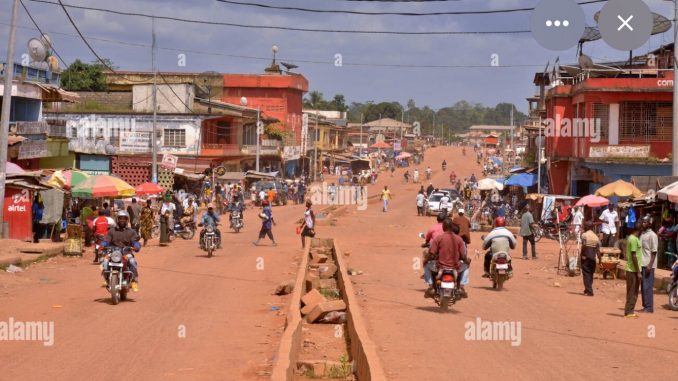
In response to these persistent infrastructure deficits, particularly concerning the deplorable state of local roads, citizens in Kono have reportedly resorted to purchasing shovels and pickaxes for young people to manually work on roads. This extraordinary display of community initiative shows the deep frustration with the pace of government-led development and notes the community's efforts to address the gaps themselves. This self-help approach, while commendable, also serves as a poignant indictment of the failure of official channels to deliver essential services. The sight of young people, equipped with basic tools, attempting to repair critical thoroughfares speaks volumes about the urgency of the situation and the resourcefulness of the Kono populace in the face of governmental inaction. Such grassroots efforts, born out of necessity, bring into sharp focus the chasm between official pronouncements and the lived reality of residents struggling with inadequate infrastructure.
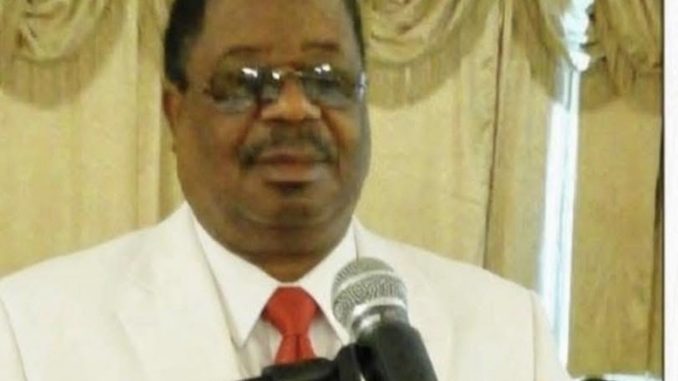
The proposed Kono University of Science and Technology also remains a significant point of concern, emblematic of the broader issue of stalled development. Despite repeated government pronouncements about its establishment, the university requires more than repeated announcements to materialize into a functional institution. The government has spoken of a US$32 million construction plan for Kono University of Science and Technology, a figure that suggests a substantial investment intended to create a world-class educational facility. However, local leaders have called for greater transparency and tangible progress, expressing skepticism about the commitment to see the project through to completion. Rev. Dr. Andrew T. Gbandeh-Mitta articulated these concerns clearly, stating, "Government has spoken of a US$32 million construction plan, but Kono needs a fully functioning permanent campus. We must know: when will it be completed? How much has actually been spent? Will it have the laboratories and libraries to truly be a centre of excellence, rather than a political symbol?" His remarks show the profound desire for a full educational facility that can genuinely serve the region's intellectual and economic needs, rather than merely existing as a symbolic gesture or a political talking point. The community awaits concrete timelines and evidence of expenditure for the university's development, which is seen as key for the region's long-term growth and educational aspirations. The establishment of such an institution is viewed not just as an educational endeavor but as a vital engine for local development, capable of fostering innovation, creating employment opportunities, and retaining skilled youth within the district. The lack of tangible progress on this front continues to fuel public disillusionment, reinforcing the perception that Kono's developmental priorities are not being adequately addressed.
Diverted Resources and Silent Crises
Considerable urgency and resources have been mobilized for Sierra Leone People's Party (SLPP) structures in Kono, according to reports. This focus on party infrastructure occurs amidst other pressing needs within the region, raising questions about the allocation of priorities and resources. The visible investment in political party mechanisms, such as offices and organizational activities, stands in stark contrast to the slower pace of development in critical public services and infrastructure. This perceived imbalance has led to concerns among the populace that political expediency might be overshadowing genuine developmental imperatives.
Kono faces silent crises concerning both safe drinking water and widespread youth unemployment. Access to clean water, a fundamental public health requirement and a basic human right, remains a significant challenge for many communities in the area. The lack of reliable and safe water sources contributes directly to health issues, including waterborne diseases, and impacts daily life by consuming valuable time and energy, particularly for women and children who often bear the burden of water collection. This ongoing struggle for clean water, despite Kono's rich natural resources, notes a critical failure in basic service provision. Simultaneously, youth unemployment continues to be a critical concern, with a substantial portion of the younger population struggling to find gainful employment. This situation can lead to significant social and economic instability, fostering disillusionment, increasing crime rates, and hindering the region's overall development by failing to harness the potential of its youthful demographic. The persistent lack of opportunities for young people, many of whom are educated but unable to secure jobs, represents a ticking time bomb for social cohesion and economic progress.
While attention has been directed towards political structures, these underlying issues affecting the daily lives and long-term prospects of Kono's residents persist without widespread public acknowledgment or substantial intervention. The reported mobilization of resources towards party structures shows a perceived disparity in the allocation of effort and funding when contrasted with the urgent social and economic challenges faced by the local population. The lack of visible progress on these silent crises, particularly in areas like water security and job creation for young people, has drawn criticism regarding the government's priorities as its term approaches its conclusion. The community's expectation was that the SLPP government, having made pledges to address historical injustices, would prioritize these fundamental needs. Instead, the focus on party-building, while politically understandable, is seen by many as a diversion of resources and attention from the more pressing humanitarian and developmental challenges. The continued struggle for basic necessities like clean water and the widespread issue of youth unemployment are stark reminders that despite some progress, the core promises of equitable development and rectification of historical injustices in Kono remain largely unfulfilled, leaving a legacy of unmet aspirations as the government's tenure draws to a close.