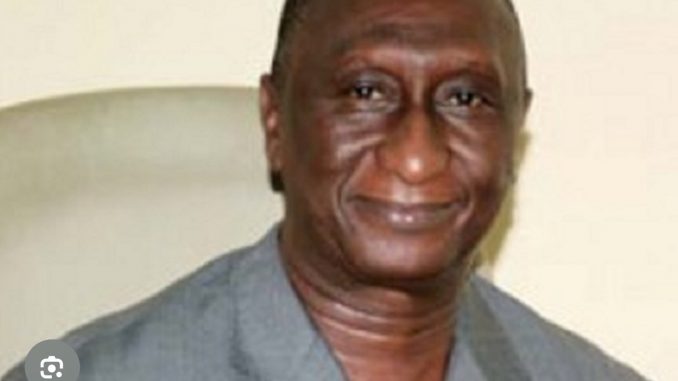
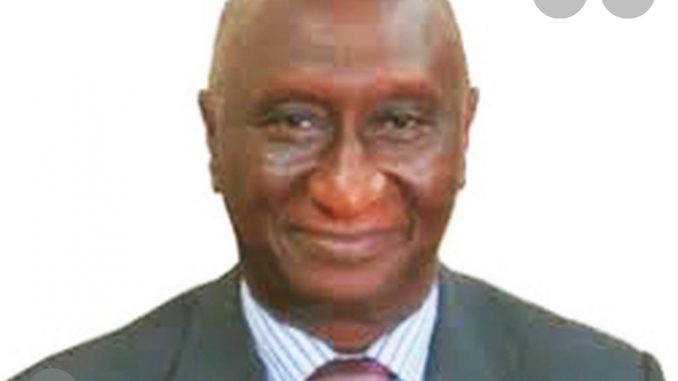
President John Dramani Mahama addressed the opening of the Next Steps High-Level Consultative Conference on Reparatory Justice in Accra on Monday, advocating for a new phase in the global pursuit of reparations. During his remarks, President Mahama reaffirmed Ghana’s unwavering commitment to advancing the global reparations agenda. He emphasized the critical importance of tangible outcomes, stating, "Future generations will judge us not by the resolutions we adopted, but by the progress we achieved." The conference aims to foster discussions and identify concrete actions toward achieving reparatory justice worldwide, marking a significant step in the ongoing international dialogue.
Urgent Call for Action
President John Dramani Mahama asserted that the transatlantic slave trade represents one of the gravest crimes against humanity, producing consequences that continue to shape societies, institutions, and inequalities across generations. This powerful claim was made during the Next Steps High-Level Consultative Conference on Reparatory Justice in Accra, where global leaders convened to discuss the path forward. The gathering shows Ghana’s proactive leadership in promoting dialogue, healing, and international cooperation regarding the complex issues stemming from the enduring legacy of the transatlantic slave trade. President Mahama stressed the importance of concrete results, reiterating his earlier statement: "Future generations will judge us not by the resolutions we adopted, but by the progress we achieved." His remarks showed the pressing need for tangible actions over mere declarations in the pursuit of reparatory justice, urging participants to move beyond rhetoric to implement meaningful change.
Key Initiatives Announced
In a significant development, President John Dramani Mahama announced the establishment of three international panels focused on advancing reparatory justice. These specialized panels will address critical aspects of the reparations movement: one dedicated to the restitution of cultural artefacts, another tasked with exploring viable legal pathways for redress, and a third focused on developing a full framework for reparatory justice. The announcement occurred during the Next Steps High-Level Consultative Conference on Reparatory Justice in Accra, signaling a structured approach to the complex issue. President Mahama once again emphasized the importance of concrete actions over mere declarations, stating, "Future generations will judge us not by the resolutions we adopted, but by the progress we achieved." This initiative aims to translate high-level dialogue into practical, actionable mechanisms for addressing historical injustices and their contemporary impacts. The establishment of these panels is expected to provide dedicated platforms for expert engagement and strategic planning.
High-Level International Gathering
The Next Steps High-Level Consultative Conference on Reparatory Justice in Accra convened a diverse and prominent group of international leaders, reflecting the global significance of the reparations agenda. Attendees included the Presidents of Senegal, Namibia, Liberia, and São Tomé and Príncipe, demonstrating strong African leadership in the movement. The Prime Minister of Barbados also participated, alongside the Vice President of Equatorial Guinea and the Speaker of the Algerian Parliament, broadening the geographic representation. The gathering saw ministers and senior representatives from more than 80 countries, noting widespread international interest and commitment to the cause. Ghana's former President, John Agyekum Kufuor, was also present at the high-level event, which focused intently on advancing reparatory justice discussions and fostering international collaboration. This assembly of influential figures reinforced Ghana’s leadership in promoting dialogue, healing, and international cooperation on issues arising from the legacy of the transatlantic slave trade.
Looking Ahead
The Next Steps High-Level Consultative Conference on Reparatory Justice in Accra concluded with a forward-looking commitment to the global reparations agenda. President John Dramani Mahama’s impassioned call for tangible outcomes and the strategic establishment of international panels signals a new, more action-oriented phase in addressing historical injustices. Participants from over 80 countries are expected to continue working collaboratively towards concrete actions, building on the momentum generated by this key conference. The discussions and commitments made in Accra are anticipated to lay the groundwork for future initiatives and sustained efforts in the pursuit of global reparatory justice.