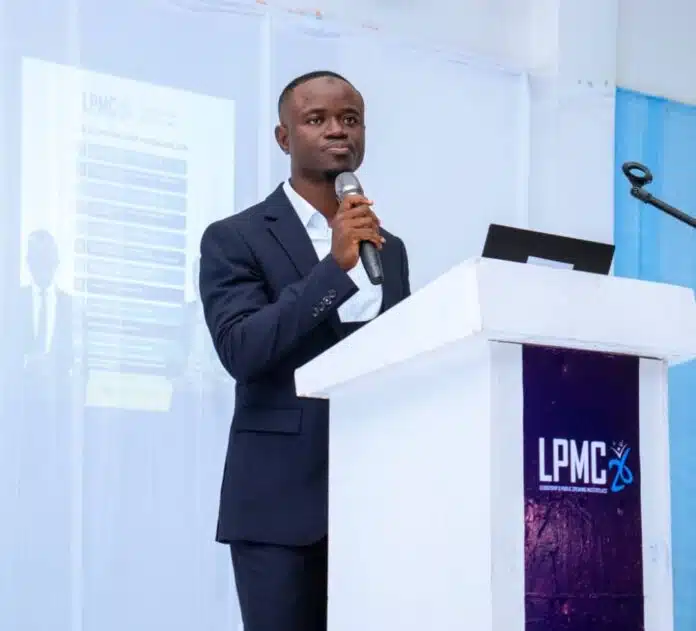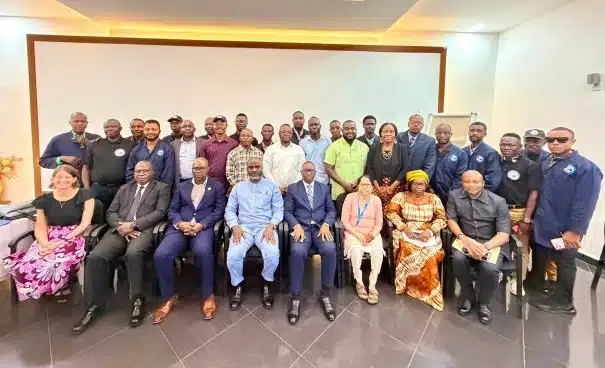
The Ministry of Health officially launched a full mentorship program for 60 medical equipment technicians, commonly referred to as biomedical engineers, on Thursday, September 3, 2026. The initiative, designed to significantly bolster the nation's healthcare infrastructure, saw Chief Medical Officer Dr. Mustapha Kabba formally inaugurate the program. Dr. Kabba delivered the inaugural address on behalf of the Minister of Health, Dr. Austin Demby, showing the Ministry's commitment to advancing medical technology management. The program's core objective is to enhance the professional skills and operational capabilities of these key technicians, who play a key role in ensuring the functionality and reliability of medical devices throughout Sierra Leone. This strategic investment in human capital is expected to have a broad positive impact on patient care and the overall efficiency of health services.
Program Goals and Support
A primary aim of the mentorship program is to strengthen the maintenance, safety, and effective use of medical equipment across Sierra Leone’s healthcare system. This includes ensuring that all medical devices, from diagnostic tools to life-support systems, operate optimally and safely for both patients and healthcare providers. The initiative specifically seeks to enhance the technical capabilities vital for the proper functioning of medical devices nationwide, addressing a critical need within the country's health sector. By fostering a high level of technical proficiency, the program intends to minimize equipment downtime and extend the lifespan of valuable medical assets.
UNICEF is providing substantial support for the program, demonstrating its commitment to improving healthcare outcomes in Sierra Leone. This support includes facilitating the procurement of specialized technical training equipment. This advanced equipment is intended to provide participants with invaluable hands-on experience and practical skills development, moving beyond theoretical knowledge to real-world application. The collaboration with UNICEF ensures that the biomedical engineers receive training with modern tools, preparing them for the complexities of contemporary medical technology.
Context of Biomedical Unit
The institutional framework for this critical initiative was laid with the establishment of the Biomedical Unit in 2025. This unit, which is now responsible for overseeing the new mentorship program, was created with the specific aim of centralizing and significantly improving the management of medical equipment within the nation's health infrastructure. Prior to its establishment, the management of medical technology was often decentralized, leading to inefficiencies. The Biomedical Unit plays a key role in the Ministry of Health's broader strategy to ensure the longevity, efficiency, and optimal utilization of vital medical devices across all health facilities. Its establishment preceded the launch of the mentorship initiative, providing a strong and dedicated institutional framework for such capacity-building efforts. The unit's ongoing work supports the overarching goal of enhancing healthcare service delivery throughout Sierra Leone by ensuring that medical technology is not only properly maintained but also effectively and safely utilized.
Strengthening Healthcare Infrastructure
A total of 60 technicians have been meticulously selected and enrolled in the first cohort of this transformative mentorship program. This initiative directly addresses the pressing need for highly skilled personnel capable of managing and maintaining increasingly complex medical equipment found in modern healthcare settings. The Ministry of Health designed the program specifically to uplift the technical capabilities of its biomedical engineers, recognizing their indispensable role in ensuring the reliable and continuous operation of healthcare facilities nationwide. This targeted capacity building is absolutely critical for supporting the nation's health infrastructure, particularly with the increasing sophistication and technological advancement of medical equipment. The program's strong focus on practical skills aims to significantly reduce equipment downtime, which in turn will improve patient care outcomes and service delivery across all regions of Sierra Leone. The long-term goal of this ambitious program involves creating a sustainable and highly competent pool of experts, capable of handling the diverse array of medical devices essential for a strong and responsive healthcare system.