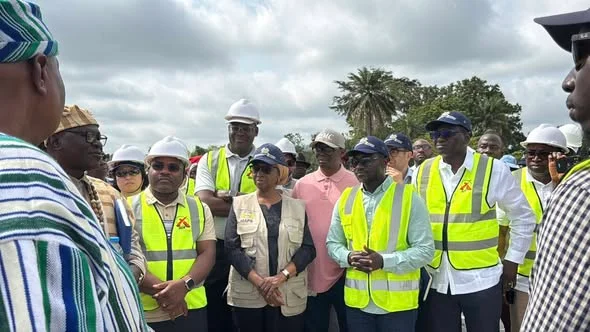
A modern flour milling facility was commissioned in Cline Town, Freetown, officially launched by His Excellency President Dr. Julius Maada Bio. The new Sierra Leone Flour Mill, a joint venture with Seaboard West Africa Limited, represents a significant step for the nation's industrial development. The establishment of this advanced facility aims to enhance local production capabilities and contribute substantially to food security within Sierra Leone. Its strategic location in Freetown positions it to efficiently serve the domestic market, ensuring a more reliable supply chain for a staple commodity. The commissioning event, held on Thursday, April 30, 2026, showed the government's commitment to fostering industrial growth and self-reliance.
Revitalizing a Dormant Asset
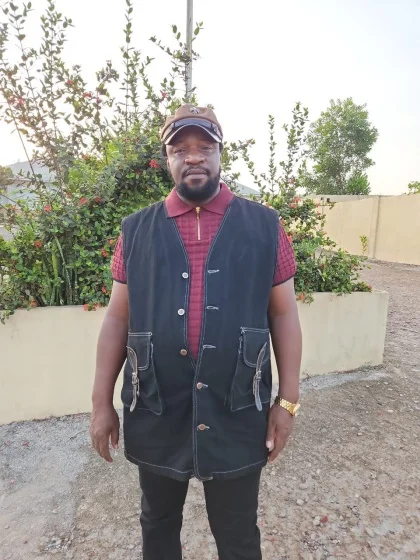
The Sierra Leone Flour Mill operates the new facility, which marks the revival of a key industrial asset. This modern plant is a testament to renewed investment in the country's manufacturing sector. Alhaji Amadu Juldeh Sowe acquired the mill in 2015, taking over an operation that had ceased production. The mill had been dormant for nearly a decade before Mr. Sowe’s acquisition, representing a significant challenge and opportunity. Mr. Sowe, the owner of Sierra Leone Flour Mill, reflected on the journey of transformation, stating, "When I started, we were only trying to survive. Today, we are building something that contributes to national development." His leadership has been instrumental in transforming the idle asset into a vibrant production hub. The recommissioning of the plant under new management signifies a renewed focus on local industrial capacity in Sierra Leone, moving towards greater economic independence.
Capacity and Economic Impact
The new flour mill is projected to significantly enhance supply stability domestically and reduce flour prices for consumers in Sierra Leone, addressing key economic concerns. Officials anticipate the project will also facilitate the expansion of flour exports into neighboring Liberia and Guinea, opening new regional trade avenues. The facility's production capacity has been significantly increased, now reaching approximately 600 metric tonnes of flour per day. This substantial increase in output marks a key boost to the local industrial output, directly contributing to the nation's Gross Domestic Product. The enhanced capacity is expected to meet a substantial portion of the country's flour demand, reducing reliance on imports and bolstering local agricultural value chains. The operationalization of the mill creates direct and indirect employment opportunities, contributing to local livelihoods and economic empowerment. The project is a clear indicator of Sierra Leone's ambition to strengthen its industrial base and improve regional trade relations.
Sierra Leone Flour Mill operates the plant, which traces its origins back to 1968. In that year, the original Freetown Flour Mill was established by Seaboard West Africa Limited, laying the groundwork for the current operations. This historical continuity notes a long-standing partnership and commitment to industrial development in Sierra Leone. The modern facility leverages this historical industrial presence, combining past experience with contemporary technology, to contribute effectively to the nation's economic goals. The revitalization of such a historically significant industrial site shows a strategic vision for sustainable economic growth.
Vision for Self-Reliance
Alhaji Amadu Juldeh Sowe, owner of the Sierra Leone Flour Mill, formally commissioned the new facility on Thursday, April 30, 2026, with His Excellency President Dr. Julius Maada Bio presiding over the ceremony. Mr. Sowe's personal journey reflects a significant personal and industrial transformation, having evolved from a local baker to a major industrial player in the country. His experience in the baking sector provided a foundational understanding of the local market's needs and the intricacies of the flour supply chain. This firsthand knowledge proved invaluable in conceptualizing and executing the mill's revival. The mill's establishment under his leadership marks a key moment for domestic industrial capacity, demonstrating the potential for local entrepreneurs to drive national development. Mr. Sowe previously stated, "When I started, we were only trying to survive. Today, we are building something that contributes to national development." This expansion shows a commitment to self-reliance in food production and a broader vision for Sierra Leone's industrial future. The project stands as a beacon of progress, illustrating how strategic investments and dedicated leadership can transform dormant assets into engines of economic growth and national pride.