Nigerian health officials confirmed the country's first case of Ebola in Abuja on 21 October 2026. The infected individual is a woman who recently arrived in Nigeria after traveling from Uganda. Medical records indicate that the patient began showing symptoms of the virus on 7 October 2026.
Containment Efforts and Contact Tracing
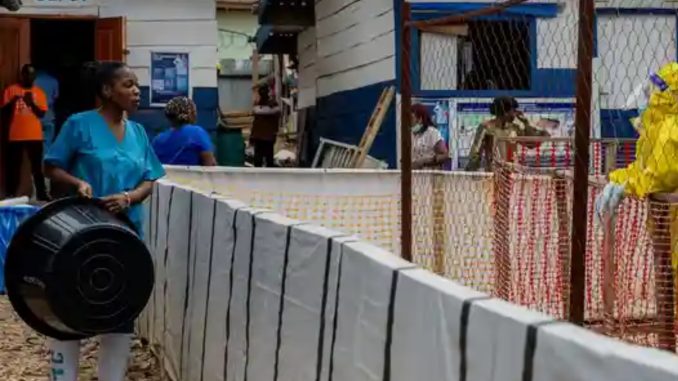
Medical staff admitted the patient to a private hospital in Abuja on 11 October 2026. Health authorities are currently conducting contact tracing to identify individuals who may have interacted with the woman since her arrival in Nigeria. Femi Gbajabiamila, chief of staff to President Bola Tinubu, addressed the government's response regarding the situation. "We have covered a lot of ground and established structures to address any potential threat," Femi Gbajabiamila stated. Officials from the Nigeria Centre for Disease Control are monitoring the facility to ensure proper isolation protocols remain in place.
Regional Spread of Viral Outbreak
Kenya has reported nine Ebola infections as the virus moves across the continent. Health data indicates the current Ebola outbreak has a fatality rate of nearly 50%. The Bundibugyo virus has infected more than 9,000 people and killed more than 4,300 people across the affected areas.
Dr. Jean Kaseya, director general of the Africa Centers for Disease Control, described the scale of the crisis. "This Bundibugyo Ebola outbreak has already become the most geographically extensive in history, affecting several countries spread across three regions of Africa," Dr. Jean Kaseya said.
Femi Gbajabiamila, chief of staff to President Bola Tinubu, expressed concern regarding the risk of transmission from international travel. "We do not want a repeat of what happened during the last outbreak when a carrier entered the country, and everyone was scrambling to respond," Femi Gbajabiamila stated. Nigerian officials continue to evaluate the regional data to manage the threat of further imported cases.
Government Response and Historical Context
Authorities are currently tracing 44 identified contacts of the patient to mitigate potential transmission. Health Minister Muhammad Pate addressed the ongoing containment strategy, stating, "We are doing everything possible to contain this case by tracing all the contacts the individual may have had."
The current situation follows previous regional health crises, including the 2014-2016 West Africa Ebola outbreak. That specific epidemic resulted in 11,000 deaths across the affected countries. Dr. Jean Kaseya, director general of the Africa Centers for Disease Control, emphasized the gravity of the present circumstances. Regarding the scope of the current viral threat, Dr. Jean Kaseya said, "we are facing an extremely serious threat." Nigerian health officials continue to monitor the 44 contacts to prevent the virus from spreading further within the country. These efforts rely on established isolation protocols to manage the risk posed by the recent arrival of the traveler from Uganda.