The 2026 Our Ocean Conference concluded on June 18, 2026, in Mombasa, Kenya, marking the first time the event was hosted in Africa. This landmark occasion showed the continent's growing role in global marine conservation efforts and noted the unique challenges and opportunities present in its vast maritime territories. Over 100 governments, businesses, and civil society organizations announced 320 new commitments during the conference, valued at $6.4 billion. The gathering brought together more than 5,000 participants from around the world to address critical issues pertaining to marine conservation and sustainable ocean use. The diverse attendance reflected the global urgency and collaborative spirit required to tackle the complex environmental challenges facing our oceans.
Key Commitments Announced
French Polynesia announced plans to strengthen protections within the Tainui Atea through more than 27,000 square kilometres of new regulated fishing areas, coastal protection zones, and seamount protections. This significant expansion of protected areas demonstrates a proactive approach to safeguarding biodiversity and marine ecosystems. In North America, Canada committed $682 million to the Small Crafts Harbours Program, supporting vital infrastructure for coastal communities and ensuring the continued viability of local fishing industries. The World Bank Group revealed its intention to invest $1 billion over the next two years, aiming to help developing countries build sustainable and resilient blue economies. This substantial financial commitment from the World Bank Group is designed to foster economic growth that is harmonized with environmental protection, particularly in regions most vulnerable to climate change and resource depletion.
Host nation Kenya also made significant financial pledges during the conference, reinforcing its commitment to marine stewardship. Kenya committed $200 million towards installing electronic monitoring systems on all industrial fishing vessels operating in its waters. This initiative is a key step towards combating illegal, unreported, and unregulated (IUU) fishing, enhancing transparency, and ensuring compliance with fishing regulations. Overall, Kenya announced approximately 42 commitments valued at an estimated $1 billion, showing its dedication to marine conservation and sustainable practices. These commitments cover a wide range of initiatives, from habitat restoration to community engagement programs, reflecting a full strategy for ocean health.
Australia also contributed substantially to ocean initiatives, demonstrating its commitment to both regional and global marine health. The government committed AUD$92.9 million over four years to support Antarctic and Southern Ocean marine science, focusing on critical research in these sensitive ecosystems. This funding will facilitate vital studies on climate change impacts, biodiversity, and ecosystem dynamics in some of the planet's most pristine and vulnerable marine environments. Additionally, Australia announced more than AUD$68 million in funding for the 2025–26 period to address the harmful algal bloom affecting South Australia, demonstrating a rapid response to an immediate environmental challenge. This targeted investment will support research into the causes and mitigation strategies for algal blooms, which can have devastating effects on marine life and coastal economies.
Africa's Ocean Economy Potential
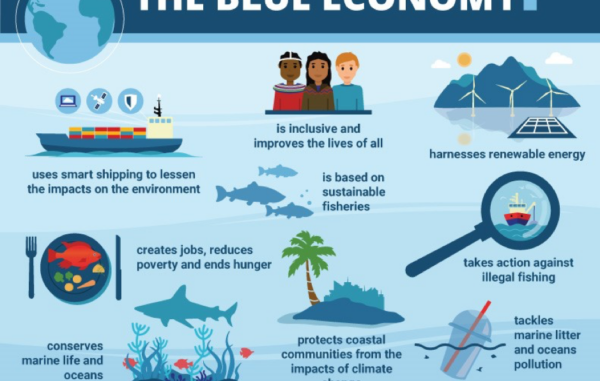
Africa encompasses 38 coastal and island states, collectively possessing over 13 million square kilometres of exclusive economic zones. This vast maritime territory represents significant potential for blue economic growth, offering opportunities in sustainable fisheries, aquaculture, marine tourism, and renewable energy. However, illegal, unreported, and unregulated (IUU) fishing poses a substantial threat, costing African economies an estimated $11 billion to $13 billion annually. These illicit activities undermine conservation efforts and deprive nations of vital resources, impacting food security and economic development for coastal communities across the continent. The economic drain from IUU fishing notes the urgent need for enhanced monitoring, control, and surveillance measures.
Addressing these challenges, Norway launched a regional initiative aimed at strengthening scientific collaboration and policy coordination. The program focuses on aquatic foods and nutrition across Africa, seeking to build capacity and foster sustainable practices within the continent's marine and freshwater environments. This effort is designed to support the responsible management of marine resources and enhance food security for coastal communities. The Norwegian initiative recognizes the interconnectedness of scientific research, policy development, and community well-being in achieving sustainable blue economies. By fostering greater collaboration among African nations, the initiative aims to create a more unified and effective approach to ocean governance.
Conference Legacy and Impact
The Our Ocean Conference has generated more than 2,600 commitments since its launch in the United States in 2014. From these commitments, approximately 78 percent are either complete or in progress, indicating a strong track record of tangible action following the pledges made at these international gatherings. This historical context notes the conference's ongoing efforts to drive action on marine conservation and sustainable use of ocean resources. The event, initiated a decade ago, continues to serve as a vital platform for governments, organizations, and businesses to pledge support and implement projects aimed at protecting the world's oceans. The cumulative impact of these commitments reflects a sustained international focus on addressing critical marine challenges, from curbing illegal fishing to establishing protected areas and funding scientific research worldwide. The successful hosting of the conference in Mombasa further solidifies its role as a global forum for collective action and innovation in ocean stewardship.