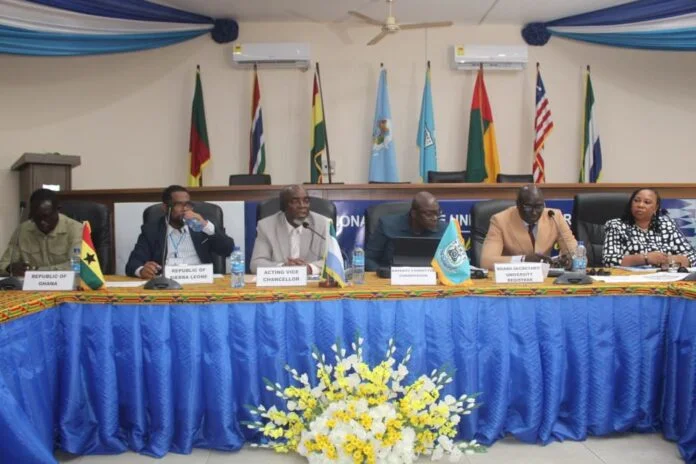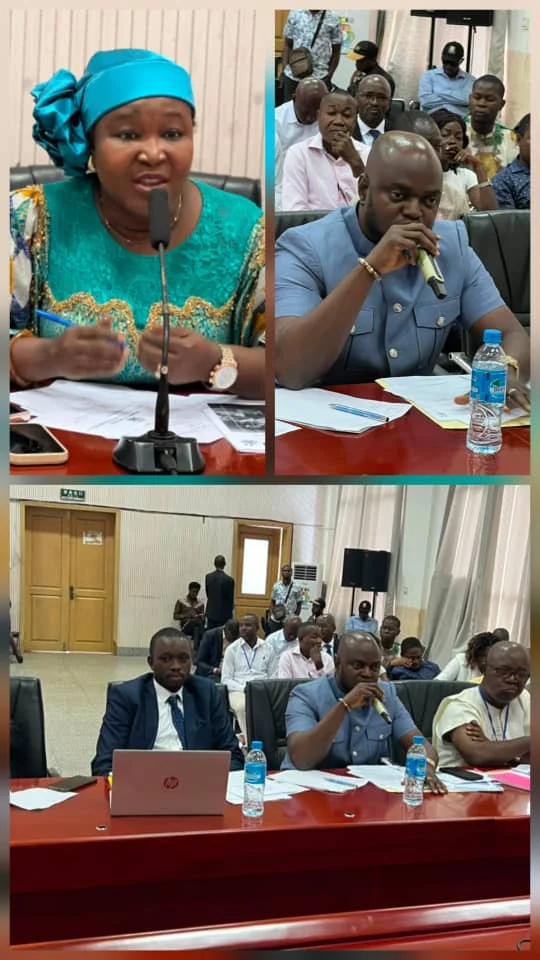
The Parliamentary Committee on Sports recently summoned officials from the Ministry of Sports and the National Sports Authority (NSA) regarding significant delays in the National Stadium project. This key meeting, held on Tuesday, 23 June 2026, showed the legislative body's growing concern over the project's protracted timeline. The committee's action comes amidst concerns that the project has exceeded its implementation timeline, a situation officials indicated is primarily due to identified gaps within the existing project agreement. This ongoing issue has prompted a parliamentary review to push for immediate resolutions.
Project Delays and Consequences
The rehabilitation project for the National Stadium commenced in February 2022, initially intended to modernize the facility and bring it up to international standards. However, the extended timeline for the stadium's completion has drawn scrutiny, particularly given its impact on national sports. The prolonged delay has deprived Sierra Leone of the opportunity to host international football matches, including key fixtures in the ongoing FIFA World Cup qualifiers. This has forced the national team to play its 'home' games in foreign venues, impacting fan engagement and national pride.
Despite these challenges, Sierra Leone has accumulated up to 15 points in the FIFA World Cup qualifiers, noting the ongoing need for suitable national facilities to host international competitions and training. The delays mean that the national team and other sporting bodies continue to face challenges in accessing a fully functional and compliant stadium for their activities. The committee's inquiry aims to address these persistent issues and ensure accountability in the project's progression, emphasizing the critical importance of a national stadium for both sporting success and national identity.
Proposed Solutions for Rehabilitation
The meeting to address the stadium delays occurred at the Administrative Building, Tower Hill in Freetown, serving as a critical forum for stakeholders to present solutions. During the session, the Executive Director of the National Sports Authority, Dr. Abdulai Rahman Swaray, presented a series of proposals aimed at accelerating the rehabilitation process. Dr. Swaray's recommendations included promoting increased private sector participation, specifically through public-private partnerships, to inject necessary capital and expertise into the project. He also emphasized the importance of facilitating government approval for a supplementary budget, which he stated was key for addressing financial shortfalls that have impeded progress. Additionally, Dr. Swaray showed the need for sustained political commitment to ensure the project's consistent progression and timely completion, stating that consistent support from political leadership would be vital to overcome ongoing challenges and ensure the project remains a national priority.
Committee's Call for Action
During the session on Tuesday, 23 June 2026, the Parliamentary Committee on Sports pressed for immediate and concrete actions to resolve the protracted project issues. The committee noted the urgency of completing the stadium to enable Sierra Leone to host international sports events and support national teams, thereby restoring the country's standing in regional and continental football. Lawmakers emphasized that continued delays negatively impact the country's sporting aspirations and infrastructure development, costing the nation opportunities for economic growth and international recognition. The committee's call for action included demands for transparent timelines, accountability from all involved parties, and a clear strategy for project completion to be presented at a subsequent review. They stressed that a detailed roadmap is essential to avoid further setbacks and ensure the project's successful conclusion.
Officials' Perspectives
The prolonged delay in the National Stadium project has directly impacted Sierra Leone's ability to host international football matches. This situation has deprived the nation of the opportunity to stage fixtures within the ongoing FIFA World Cup qualifiers, a significant blow to the national sporting calendar. The absence of a compliant venue has necessitated the national team to play its home games abroad, affecting fan engagement, national sporting pride, and the development of local talent. Officials acknowledge the critical need to expedite the stadium's completion to meet international standards and allow Sierra Leone to host these significant sporting events within its borders, emphasizing the long-term benefits for the nation.