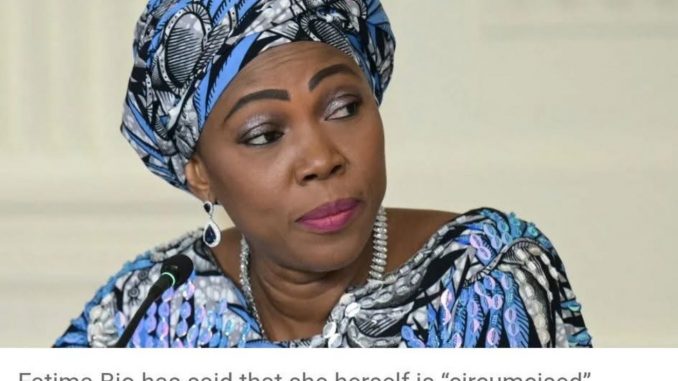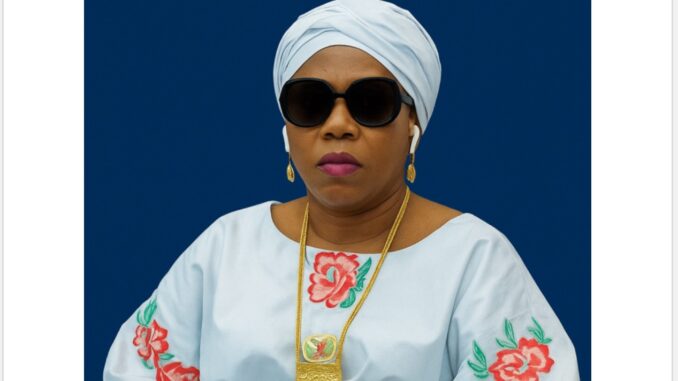
The debate surrounding Female Genital Mutilation (FGM) in Sierra Leone has become a source of concern, with discussions shifting from meaningful dialogue to political point-scoring as of June 5, 2026. This current debate surrounding FGM in Sierra Leone is particularly concerning, as it appears to have veered significantly from its original purpose. The conversation, which should ideally focus on the complexities and impacts of FGM, has instead transformed into a platform for political maneuvering and personal attacks. Hostility directed at First Lady Dr. Fatima Maada Bio appears to be driven more by political motivations than by the FGM issue itself. In the current political environment, sensitive social issues are frequently transformed into tools for political confrontation. This transformation of important societal debates into political weapons is a recurring pattern, diverting attention from the core issues at hand and hindering genuine progress.
Politicized Discourse and Personal Attacks
Sierra Leone would benefit more from constructive engagement and respectful debate than from personal attacks, according to observations within the ongoing FGM discourse. The current trajectory of the discussion suggests a departure from objective analysis and a move towards partisan rhetoric. Disagreement, it is argued, should be rooted in facts, fairness, and mutual respect, rather than personal hostility or political ambition. When debates are hijacked by political agendas, the opportunity for meaningful resolution and community-wide understanding is often lost. Concerns have been raised that many leading FGM campaigners are themselves products of the system they condemn, having had similar practices accepted within their families or communities. This observation introduces a layer of complexity to the debate, suggesting that some of those advocating for change may have personal histories intertwined with the very practices they seek to eradicate. This perceived hypocrisy, whether real or imagined, can further complicate the discourse and detract from the core message of FGM eradication.
The politicization extends beyond individual campaigners. There are also claims of attempts to create the impression that international institutions were involved in advancing a particular agenda regarding FGM. This suggests efforts to lend external credibility to specific viewpoints within the debate, potentially manipulating public perception by associating certain stances with reputable global bodies. Such tactics can undermine trust in both local and international efforts to address FGM. It has been noted that universities and public institutions routinely rent out their facilities for events without endorsing the views expressed by participants. This observation points to a key distinction between institutional support for an event's logistics and endorsement of its content or objectives. It serves as a reminder that the use of a venue does not automatically equate to an institution's alignment with the opinions or objectives of the event organizers, a nuance often lost in the heat of political debate. This clarification is particularly relevant when attempting to link institutions to specific agendas, as it notes the difference between providing a neutral space and actively endorsing a particular viewpoint.
Targeting Dr. Fatima Maada Bio
Certain political interests are engaged in a determined effort to undermine Dr. Fatima Maada Bio's credibility and influence, according to reports. These efforts include attempts to question Dr. Bio's motives, discredit her achievements, and create controversies around her work. The intensity of these attacks suggests a deliberate strategy to diminish her public standing. These attempts are seen by many as part of a broader political campaign, using the FGM debate as a convenient pretext. Supporters perceive that some individuals in influential circles are uncomfortable with Dr. Bio's popularity and international recognition. Her growing profile, both domestically and on the global stage, appears to be a source of unease for certain political factions. Discussions about Dr. Bio's potential leadership continue to dominate public discourse, despite her not formally declaring intentions for future office. This constant speculation further fuels the political maneuvering around her, making her a target for those who might view her as a future contender or a significant influencer.
These efforts have done little to diminish the admiration and support Dr. Bio enjoys from many Sierra Leoneans. Despite the sustained attempts to discredit her, her public appeal remains strong. Supporters of Dr. Fatima Maada Bio express confidence in her leadership, vision, and commitment. This unwavering support from her constituents and admirers shows the resilience of her public image against politically motivated attacks. The continued resonance of her work and advocacy with a broad segment of the population suggests that the attempts to undermine her have largely failed.
Dr. Bio's Stance and Advocacy
Dr. Fatima Maada Bio has consistently expressed pride in her African heritage and cultural identity, according to claims made regarding her public stance. This pride informs her approach to various social issues, including those related to traditional practices. She has never advocated for the forced circumcision of children or any practice imposed on minors. This clear position refutes any suggestions that she supports coercive practices. Dr. Bio believes adults are capable of making informed decisions regarding their own lives and personal choices. This principle of individual autonomy is central to her stated philosophy, emphasizing consent and personal agency. Her advocacy focuses on empowering individuals to make choices free from coercion. These efforts to undermine Dr. Bio have largely failed, as her work and advocacy reportedly resonate with many people. Her consistent message of empowerment and respect for cultural identity, combined with a clear stance against forced practices, appears to have drew significant public trust and support, effectively countering the politically motivated attacks aimed at her.