President Julius Maada Bio assumed office in Sierra Leone in 2018, marking the beginning of his administration. His ascension to power in the West African nation was met with a clear mandate to address the country's pressing issues. Concerns about Sierra Leone's strained relations with international partners were noted in an article published on June 4, 2026. The piece, titled “EU and Sierra Leone’s Harmony: From a Solid Foundation to a Sinking Sand,” specifically addressed a perceived deterioration in these key diplomatic ties, signaling a potential shift in how the nation is viewed on the global stage. This article showed growing anxieties regarding Sierra Leone's standing and its interactions with key international bodies and nations.
The Promise of a Clean Slate
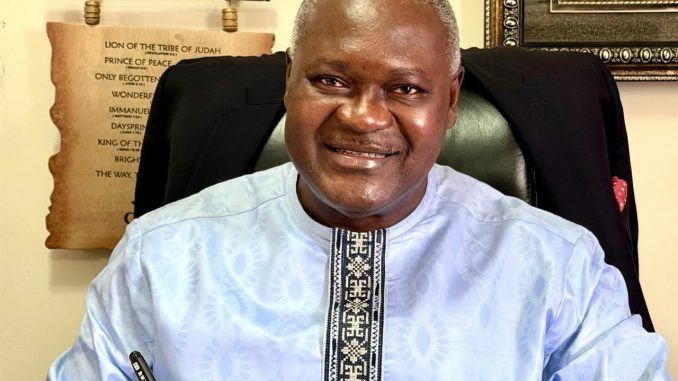
The administration's initial narrative centered on restoring and cleansing Sierra Leone's image, citing deep-rooted corruption under the previous government. This commitment to reform was a cornerstone of President Bio's early tenure. The Government Transition Team, led by Professor David J. Francis, played a key role in shaping this narrative by producing a full Transition Report that depicted a bleak inherited state. This report served as a critical document, detailing various challenges and perceived malpractices from the preceding administration. Professor David Francis, a prominent figure in the new government, later assumed the significant role of Chief Minister, further solidifying his influence in the administration's early reform efforts.
The Transition Report's claims served to justify new anti-corruption measures, including the establishment of the Commission of Inquiry. This Commission of Inquiry was presented as a mechanism designed to recover stolen state resources and to restore public confidence in governance. The aim was to demonstrate a decisive break from past corrupt practices and to instill a new era of accountability and transparency. The administration sought to project an image of an earnest effort to clean up the country's political and economic landscape, thereby rebuilding trust both domestically and internationally. This initial focus on rectifying historical grievances and improving governance was a defining characteristic of President Bio’s first years in office.
Shifting Perceptions and New Allegations
Despite these initial efforts to cleanse the nation's image, Sierra Leone is increasingly associated with allegations relating to international drug trafficking and transnational organized crime. These perceptions are significantly shaping international opinion about the country, creating a stark contrast to the administration's original reform agenda. The shift in how Sierra Leone is viewed comes as Professor David Francis recently launched a book titled “Governing a Poor Country: Perspectives from a Former Chief Minister of Sierra Leone.” This publication offers his insights into the complexities of leading a nation with limited resources, providing a unique perspective from someone who was at the heart of the government's early reform efforts.
The current administration, initially focused on an anti-corruption agenda, now faces a different narrative emerging on the international stage. Concerns about drug trafficking and organized crime are contributing to a re-evaluation of the nation's standing among global partners. This development contrasts sharply with earlier efforts by the government to project an image of cleansing and reform, suggesting a significant challenge to its carefully constructed international reputation. Professor Francis, who previously led the Government Transition Team and served as Chief Minister, presented his perspectives on the challenges of governance in a resource-constrained nation through his new publication. The book's release occurs amid a period of evolving international perceptions regarding Sierra Leone's stability and integrity, particularly in relation to illicit activities that transcend national borders. The allegations of international drug trafficking and transnational organized crime show a complex and changing environment for Sierra Leone's government, demanding a strong and transparent response to maintain its credibility and foster continued international cooperation.
The Cost of Delayed Action
A government that initially pledged to cleanse Sierra Leone’s image now faces a series of accusations and controversies, particularly those concerning international drug trafficking and transnational organized crime. These developments suggest a concerning departure from earlier commitments to reform and transparent governance, threatening to undermine the progress made and the trust drew. Leaders in Sierra Leone must acknowledge the growing concerns and engage proactively with international partners to address these issues head-on. Ignoring or downplaying these serious allegations could have severe long-term consequences for the nation's diplomatic and economic relations. The article warns that prolonged delays in implementing corrective measures will escalate the cost of rebuilding trust with the international community, making the task increasingly difficult and expensive. A swift and transparent response is key to mitigate further damage to Sierra Leone's international standing and to reaffirm its commitment to good governance and the rule of law.