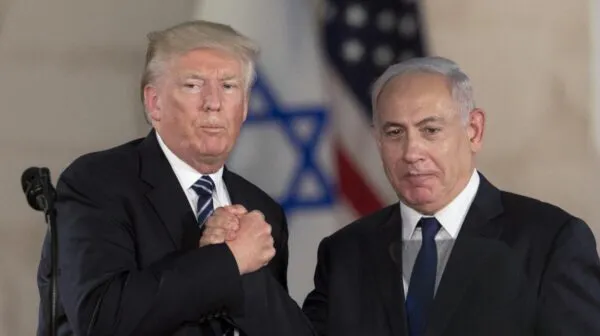
Reckless brinkmanship by powerful leaders poses a threat to global economic stability, regional peace, and the lives of millions in an interconnected world. This assessment suggests that leaders such as Donald Trump and Benjamin Netanyahu exemplify a confrontational leadership style, prioritizing dominance over diplomatic engagement. In a fragile, interconnected world, such reckless brinkmanship by powerful leaders actively threatens not only economic stability and regional peace but also the lives of millions. The stability of the world is at risk when leaders permit hubris or arrogance to dictate their actions, potentially leading to widespread instability. This perspective notes the critical need for thoughtful governance in an era defined by complex interdependencies.
The Iran Flashpoint
Iran is a nation whose strategic importance extends far beyond its borders, according to analysts. Any serious conflict involving the country risks destabilizing not just the Middle East but also the global economy itself. The geopolitical ramifications of such a conflict would reverberate across continents, impacting energy markets, trade routes, and international relations. The Strait of Hormuz remains one of the most critical arteries of global trade, carrying a significant share of the world’s energy supply to markets including London, Lagos, and Dubai. Disrupting this vital waterway would lead to immediate fuel shortages, rising costs, and economic strain felt globally. The potential for such an event shows the interconnectedness of regional stability with international economic health, emphasizing that localized tensions can quickly trigger worldwide consequences. The sheer volume of oil and gas transiting this chokepoint means that any disruption would send shockwaves through energy-dependent economies, leading to a cascade of economic challenges.
Economic Ripple Effects
Modern supply chains, characterized by their fragility, complexity, and global dispersion, would experience significant disruption from any major conflict. These intricate networks, built for efficiency, are often vulnerable to sudden shocks, and a major regional conflict would undoubtedly strain their capacity. Such crises would inevitably lead to a rise in inflation and threaten job security across various sectors, as the costs of raw materials and transportation soar, and consumer demand potentially falters. The global economy, already navigating various pressures, would find itself under immense strain from these compounding factors. For cities like Dubai, their stability, openness, and global trust are directly dependent on sustained peace and continuous investment. These urban centers, often hubs of international finance and commerce, rely on a predictable and secure environment to attract and retain capital and talent. The disruption of global trade routes and the general climate of uncertainty that accompanies conflict would directly undermine the foundations of their prosperity.
The Peril of Escalation
Global crises rarely emerge from a singular decision or the actions of one leader, but instead develop from a complex web of tensions, rivalries, and competing interests. This intricate interplay of factors means that seemingly isolated incidents can quickly intertwine with broader geopolitical narratives, escalating into more significant conflicts. When rhetoric escalates, diplomacy often becomes sidelined, and caution is dismissed, shortening the path to conflict. The shift from dialogue to confrontation erodes trust and makes de-escalation increasingly difficult, pushing parties closer to direct engagement. The world cannot afford the gamble of escalation, according to analysts, due to its economically intertwined, politically sensitive, and socially fragile state. This interconnectedness means that regional conflicts can rapidly have global repercussions, impacting populations far beyond the immediate zones of conflict through economic downturns, refugee flows, and humanitarian crises. The current geopolitical landscape notes the vulnerability of international stability when diplomatic channels are neglected in favor of confrontational approaches, showing the urgent need for statesmanship that prioritizes long-term global well-being over short-term gains or aggressive posturing.
A Call for Restraint
Leadership in the current era demands restraint, humility, and the capacity to prevent unnecessary crises, according to analysis. This perspective suggests that effective governance extends beyond demonstrating strength, emphasizing the importance of diplomatic engagement and careful decision-making to maintain global stability. True strength, in this view, lies in the ability to foster cooperation and avoid destructive pathways. The ability to de-escalate tensions and avoid exacerbating existing conflicts is presented as a critical attribute for contemporary leaders, who must navigate a world where the consequences of miscalculation are profound and broad. Cultivating a leadership style that prioritizes dialogue, mutual respect, and a commitment to peaceful resolution is critical for safeguarding the future.