Sierra Leone's Ministry of Information and Civic Education announced revised fuel prices, effective Tuesday, September 8, 2026. The new fuel prices became effective on this date, following the official announcement. The price of petrol has increased to NLe40 per litre, according to a public notice issued by the ministry. This public notice from the Ministry of Information and Civic Education detailed the specifics of the price adjustments. Despite the fuel price adjustment, fares for the Waka Fine public transport service will remain unchanged, a decision aimed at mitigating the impact on daily commuters.
Revised Pump Prices and Subsidies
The price of diesel has increased to NLe45 per litre. This adjustment means that the government is subsidising a portion of the actual cost for both petrol and diesel. The Government of Sierra Leone will absorb the difference between the full pass-through cost and the new pump prices through these subsidies, as official statements confirm. The full pass-through price for petrol would have been NLe41.04 per litre, but motorists will instead pay NLe40. This represents a direct subsidy from the government. Similarly, the full pass-through price for diesel was calculated at NLe46.76 per litre, with consumers paying NLe45. This pricing strategy ensures that the immediate burden on consumers is lessened.
This pricing structure indicates that the government is absorbing a difference of NLe1.04 per litre for petrol and NLe1.76 per litre for diesel. In a related measure, additional government support will be provided to cover the increased fuel costs specifically for the Waka Fine public transport service, further demonstrating the government's commitment to public welfare. These subsidies are a critical component of the government's strategy to manage the economic impact of rising global prices.
Global Market and Local Pressures
The price increases are attributed to continued rises in global petroleum prices and ongoing pressures within international oil markets. These factors have necessitated the adjustments in domestic fuel prices. The persistent conflict involving Iran has been cited as a significant factor contributing to these elevated global petroleum prices, creating instability in the international oil supply chain. Reasons cited for the price increase explicitly include these continued increases in global petroleum prices and the pressures on international oil markets.
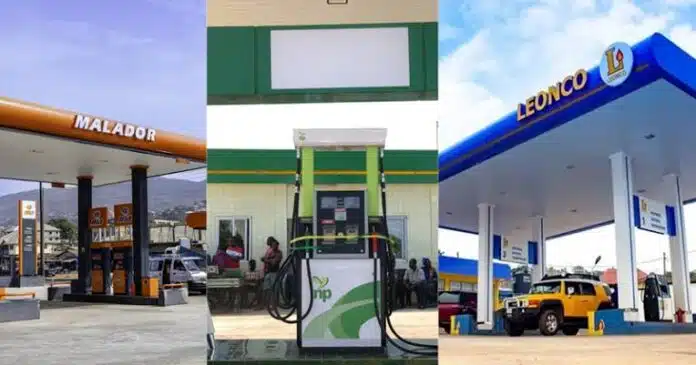
This adjustment in fuel prices occurs amidst recent fuel shortages experienced across Sierra Leone, which led to long queues forming at various filling stations. The recent fuel shortages and the accompanying long queues at filling stations noted the urgent need for intervention. In the days leading up to the announcement, several Oil Marketing Companies had reduced or completely halted sales at some of their filling stations, exacerbating the supply challenges and creating significant inconvenience for consumers. The government's decision to revise prices reflects an effort to address these market realities and stabilize the supply.
Government's Strategic Response
The Government of Sierra Leone will absorb the difference between the full pass-through cost and the new pump prices through subsidies, according to official statements. These revised pump prices are intended to restore normal supply to the market and ensure petroleum products remain available across the country. The government’s strategy aims to stabilize the supply chain following recent shortages, with the explicit goal of ensuring petroleum products remain available. The intention behind these revised pump prices is to restore normal supply to the market, thereby alleviating the recent shortages and preventing future occurrences.
In a broader strategic move, the Government of Sierra Leone plans to accelerate measures designed to strengthen its involvement in the nation’s petroleum supply chain. This initiative includes a focus on enhancing the government's role in the importation, storage, and wholesale supply of petroleum products. The intervention seeks to mitigate future supply disruptions and market volatility by establishing a more strong and government-controlled supply network. The Government plans to accelerate measures to strengthen its involvement in Sierra Leone’s petroleum supply chain, specifically targeting importation, storage, and wholesale supply. This full approach is designed to provide greater stability and resilience to the country's fuel market.