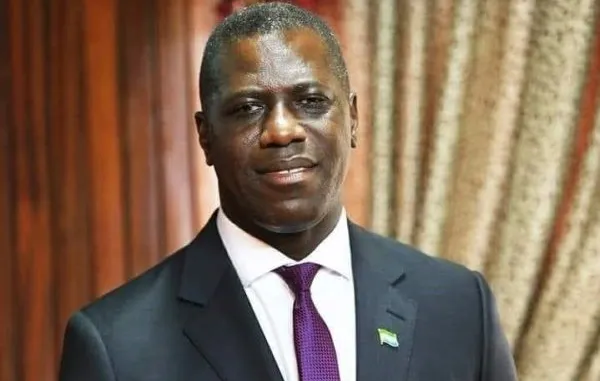
Sierra Leonean politician Zainab Sheriff was convicted and sentenced to four years and two months in prison by Magistrate Mustapha Brima Jah of Magistrate Court No. 1. The sentencing occurred on April 14, following a legal proceeding that has drawn significant attention across the nation. Since her conviction, calls for Ms. Sheriff's release have intensified across various sectors, noting widespread concern over the case. Lawyers, opposition politicians, and civil society activists have publicly voiced their concerns and demanded her freedom, emphasizing the importance of due process and political expression. The growing pressure reflects a broader debate surrounding her case within the country, prompting a closer examination of the legal framework and its application.
Conviction and Charges Detailed
Zainab Sheriff's conviction by Magistrate Mustapha Brima Jah centered on charges of incitement and using threatening language. These charges were brought under Section 3(2) of the Public Order Act, 1965, a piece of legislation that governs public conduct and speech within Sierra Leone. The legal proceedings against Ms. Sheriff stemmed from remarks attributed to her during a political rally held in January. This rally, a public gathering, became the focal point of the prosecution's case. Prosecutors presented evidence claiming that during this rally, Ms. Sheriff described election rigging as an act of treason, a serious accusation within the political discourse of any democracy. They further alleged that her remarks included a statement that those responsible for such actions "and their families should be killed," a phrase that the prosecution argued constituted threatening language and incitement. This specific statement formed the basis of the charges leading to her sentencing, showing the severity with which the court viewed her alleged public utterances.
Legal Battle in High Court
The defence team representing Zainab Sheriff has filed an appeal to challenge her conviction and the sentence imposed by Magistrate Mustapha Brima Jah. This key legal step brought the case before Justice Mark Ngegba in High Court No. 8, where proceedings commenced to determine its validity and whether the lower court's decision should be overturned or reviewed. The appeal process is a fundamental aspect of the justice system, allowing for higher judicial scrutiny of previous rulings.
During the High Court hearing, Lead Prosecution Counsel Ibrahim Tholley Esq. Raised a preliminary objection, a procedural challenge designed to question the admissibility or validity of the appeal itself. Mr. Tholley argued that the defence had failed to comply with the established Appeal Rules, suggesting procedural irregularities in their submission that could impede the appeal's progress. This objection showed the careful procedural requirements inherent in the legal system.
Lead Defence Counsel R. S. Wright Esq. Subsequently opposed the prosecution's objection, asserting the legitimacy of their legal work. Mr. Wright contended that the objection was premature, meaning it was raised too early in the proceedings, and lacked a legislative foundation, implying it was not supported by existing laws or regulations. He firmly asserted that the defence had adhered to the necessary legal procedures for filing an appeal, maintaining that their submission was in full compliance with all applicable rules.
Justice Ngegba, presiding over the matter in High Court No. 8, carefully considered the arguments presented by both the prosecution and the defence. Following the detailed submissions, Justice Ngegba adjourned the case to June 18, 2026. This significant adjournment was set to allow the court ample time to meticulously rule on the preliminary objection raised by the prosecution. The ruling will determine whether the appeal will be permitted to proceed to a full hearing on its substantive merits, or if it will be dismissed on procedural grounds. The outcome of this ruling is highly anticipated, as it will dictate the future trajectory of Ms. Sheriff's legal challenge.
Broader Implications and Reactions
The appeal concerning Zainab Sheriff's conviction is currently being heard before Justice Mark Ngegba in High Court No. 8, a venue that has become a focal point for those following this high-profile case. Ms. Sheriff is presently incarcerated at a maximum-security correctional facility located in Freetown, where she has been held since her arrest on February 20. Her sentencing on April 14 marked a critical point in her legal journey, leading directly to her current detention status. The conditions of her incarceration and the duration of her detention have also become subjects of public discussion.
The legal proceedings against Sheriff are widely regarded as significant, particularly given their focus on political speech and the application of Sierra Leone's public order laws. This case has drawn considerable attention to the interplay between freedom of expression, a cornerstone of democratic societies, and legal restrictions within the country's political landscape. Observers are closely watching how the courts balance these fundamental rights against concerns for public order and national security. The outcome is expected to have broad implications for political activism and public discourse in Sierra Leone.
Women's rights advocates have voiced profound concerns that the outcome of Sheriff's case could potentially deter women from active political participation. These advocates suggest that the precedent set by her conviction might create an environment where women feel less inclined to engage in public discourse or pursue political roles, fearing similar legal repercussions. They argue that such an outcome could stifle the voices of women in politics, thereby hindering efforts towards gender equality and inclusive governance. The case, therefore, extends beyond the individual, touching upon broader issues of democratic participation and the role of women in national life. The ongoing legal battle continues to be a subject of intense public interest and debate across Sierra Leone.