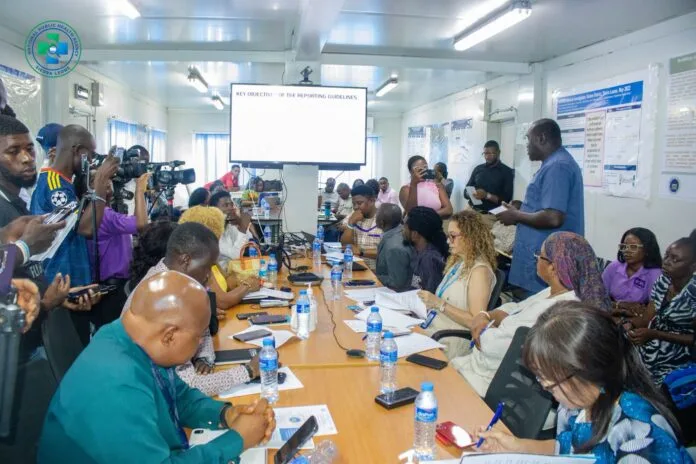
Sierra Leoneans abroad sent over $322 million home in 2025 as remittances. Capitalizing on these flows, the Sierra Leone Diaspora Investment Conference (SLDIC) London 2026 convened over 400 delegates to discuss a new sovereign debt instrument. The proposed diaspora bond aims to offer 7% to 9% annual interest over a five-year term. H.E Dr. Mohamed Juldeh Jalloh, Vice President of Sierra Leone, stated: "A national diaspora finance framework is currently under development and prioritized within the government’s integrated National Finance Framework." Officials intend for the bond to channel private capital directly into national development projects. The government continues to refine the mechanism following discussions with attendees at the London summit.
Government Strategy and Framework
Freetown will host the next Sierra Leone Diaspora Investment Conference on 29–30 December 2026. Organizers selected the Radisson Blu Mammy Yoko Hotel as the venue for this follow-up gathering. The event continues the government’s efforts to engage expatriate investors regarding the proposed sovereign debt instrument. Attendees will review the progress of the national diaspora finance framework established after the London summit. The conference provides a platform for stakeholders to examine specific project proposals intended for capital investment. Participation is open to delegates interested in the development of the bond mechanism. Officials expect the Freetown proceedings to advance the dialogue initiated earlier in the year. The meeting serves as a central component of the administration's broader financial strategy for the nation.
Investor Motivations and Barriers
A survey presented at the Sierra Leone Diaspora Investment Conference 2026 detailed the factors influencing financial commitments from citizens living abroad. Vickie Remoe, founder of SLDIC, noted the specific challenges identified by potential participants regarding the proposed sovereign debt instrument. "Results revealed that 58% of respondents view social impact as their primary motivation for sending funds home," said Vickie Remoe. "However, 33% identified a lack of trust and 24% cited limited transparency as primary barriers to investing." These findings indicate that while social objectives drive existing remittances, the government must address concerns regarding accountability and institutional reliability to encourage direct investment in the new bond mechanism. Organizers gathered this data to help officials refine the framework for future project financing.
Regional Trends in Diaspora Finance
Kenya issued a 12-year infrastructure bond with a dedicated diaspora window in 2011. This instrument offered a 12% return and ultimately achieved a 70% subscription rate. Building on this history, Kenya is currently targeting $500 million in diaspora bonds for 2026. The World Bank’s Multilateral Investment Guarantee Agency is providing assistance for this initiative.
Burkina Faso also utilized this financing model in 2026. The country raised 151.5 billion CFA francs through its first diaspora bond during a window that lasted from 6 May to 6 June 2026. This total exceeded the government's initial target of 125 billion CFA francs.
Remittance flows remain a significant economic factor for other nations in the region. Records show that remittances in Ghana reached nearly $7.8 billion in 2025. These figures demonstrate the scale of capital potentially available for sovereign debt instruments across the continent.