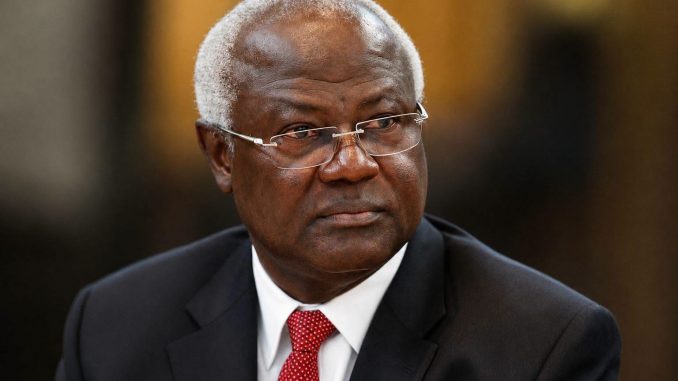
Sierra Leone’s Attorney General and Minister of Justice, Alpha Sesay Esq. On Tuesday, 14 July 2026, laid before Parliament the Protocol to the African Charter on the Establishment of the African Court on Human and Peoples’ Rights. This action represents the initial formal step for Sierra Leone to become a State Party to the African Court on Human and Peoples’ Rights. The Protocol was tabled during a parliamentary sitting held at the House of Parliament in Tower Hill, Freetown, marking a key moment in the nation's engagement with regional human rights mechanisms. The move signifies a deliberate effort by the Government of Sierra Leone to strengthen its adherence to international legal norms and foster a more strong human rights framework within the country.
Ratification Process Begins
The Protocol will now proceed through Parliament’s ratification process in Sierra Leone. This legislative procedure is a critical step towards formalising the nation's commitment to the African Court on Human and Peoples’ Rights. The parliamentary review will involve scrutiny and debate, ensuring that the Protocol aligns with Sierra Leone's existing legal framework and national interests. Upon parliamentary approval, Sierra Leone will deposit its instrument of ratification with the African Union. This deposition will formally recognise Sierra Leone as a State Party to the African Court on Human and Peoples’ Rights, enabling its full participation in the court's proceedings and jurisdiction. This action will show Sierra Leone's dedication to upholding human rights and contributing to regional judicial cooperation. The move signifies a deepening engagement with regional human rights mechanisms, providing a clear pathway for citizens to seek redress at a continental level should domestic remedies be exhausted.
Broader Legal Reforms
The initiative to join the African Human Rights Court is part of broader legal and judicial reforms the Government of Sierra Leone is undertaking to align its legal framework with regional and international standards. These reforms aim to enhance the rule of law and ensure that the country's legal system is strong and equitable. Sierra Leone has also continued to strengthen its engagement with international intellectual property regimes. The government has aligned itself with key treaties administered by the World Intellectual Property Organization (WIPO) and the African Regional Intellectual Property Organization (ARIPO). Participation in these regional and international treaties strengthens the protection of copyrights, trademarks, patents, industrial designs, geographical indications, and performers’ rights, alongside other intellectual property rights. This commitment to intellectual property protection is key for fostering an environment conducive to innovation and creativity. The agreements are designed to encourage innovation, creativity, investment, technology transfer, and sustainable economic development within the nation, contributing significantly to its economic growth and global integration.
Context and Significance
Once ratified, the Protocol will enable Sierra Leone to participate more actively in Africa’s regional human rights system. This participation is expected to provide Sierra Leonean citizens with an additional avenue for legal recourse and reinforce the government's accountability in human rights matters. The ratification process shows the Government’s continued efforts to uphold the rule of law, strengthen judicial cooperation, and promote the protection of fundamental rights within the country. This development coincides with the 20th anniversary of the African Court on Human and Peoples’ Rights, noting a significant moment for the institution and its member states. Sierra Leone's commitment through this ratification is seen as a move to deepen its engagement with regional human rights mechanisms, aligning its national legal framework more closely with continental standards. This step also reflects a broader strategy by the government to enhance legal reforms and regional partnerships, reinforcing its position as a responsible member of the African community.