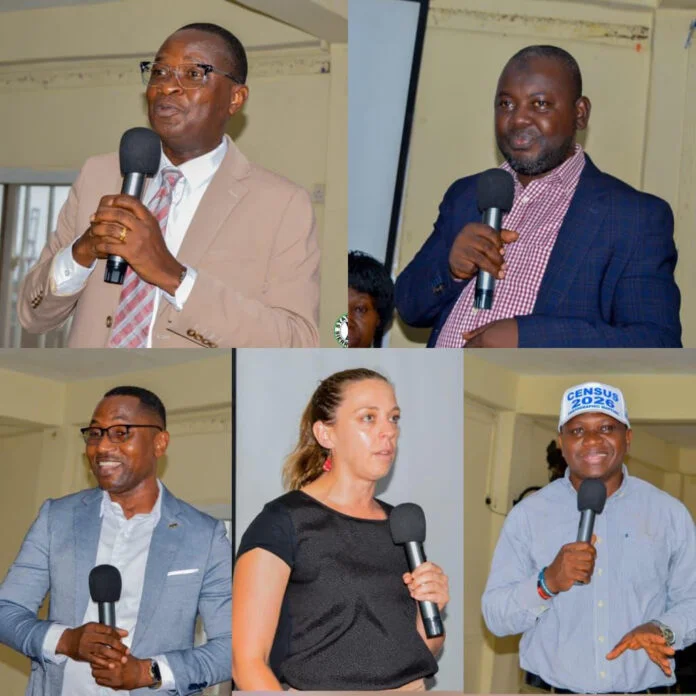
Statistics Sierra Leone (Stats SL), in collaboration with the Ministry of Health (MoH) and with technical support from ICF, has commenced a three-week Training of Trainers workshop for the pre-test phase of the 2026 Demographic and Health Survey (DHS). This significant initiative to bolster the country's data collection capabilities is taking place at the Theresa Sesay Hall on Kennedy Street in Freetown. The training marks a key step in Sierra Leone's full preparations for the upcoming demographic and health assessment, ensuring the foundational elements are firmly in place for a successful survey. The workshop, designed to equip participants with essential skills and knowledge, shows the commitment of all collaborating partners to the accuracy and reliability of future health and demographic data.
Understanding the Demographic and Health Survey
The Demographic and Health Survey (DHS) is widely regarded as one of Sierra Leone's most important surveys, generating critical information on maternal and child health, nutrition, fertility, mortality, and other key socio-economic indicators. This full data collection effort provides a detailed snapshot of the nation's health and demographic landscape. It functions as a nationally representative household survey, systematically collecting standardized data on population, health, and nutrition across various regions and demographics. The rigorous methodology employed in the DHS ensures that the information gathered is both reliable and comparable over time, making it an invaluable resource for national development.
The survey serves as a vital source of information for the Ministry of Health and other stakeholders. Mohamed Koblo Kamara stated, "The survey serves as a vital source of data for the Ministry of Health and other stakeholders, providing evidence needed for informed decision-making, policy formulation and programme planning." This data is instrumental in understanding the health status of the population and identifying areas requiring urgent intervention. Many of the Ministry of Health's interventions are directly informed by data generated through national surveys such as the DHS. The data supports evidence-based decision-making, policy formulation, and programme planning within the health sector and beyond, facilitating targeted and effective public health initiatives. The critical insights derived from the DHS enable the Ministry of Health to track progress in healthcare service delivery, identify existing gaps in service provision, and effectively evaluate the impact of various health programmes and interventions implemented across the country.
Training Objectives and Support
The workshop aims to enhance participants' understanding and proficiency in utilizing survey instruments, thereby preparing them for the effective pre-testing of questionnaires. This capacity-building initiative is a key step in ensuring the accuracy and reliability of the data collected during the upcoming 2026 Demographic and Health Survey. The training is structured to equip field personnel with the necessary skills to navigate the complexities of data collection in a standardized manner, adhering to international best practices. The workshop is specifically designed to build the capacity of participants on survey instruments, ensuring they are thoroughly prepared for the effective pre-testing of questionnaires. This preparatory phase is vital for refining survey tools and procedures before the main data collection commences.
ICF is collaborating with Statistics Sierra Leone to achieve the overall objectives of the survey. This partnership shows a concerted effort to ensure the technical integrity and successful execution of the 2026 DHS. The collaboration focuses on providing full support and expertise to Statistics Sierra Leone throughout the various stages of the survey process, from training and pre-testing to data collection and analysis. This technical assistance is key for maintaining the high standards of data quality and methodological rigor that characterize the Demographic and Health Surveys globally. The joint effort aims to strengthen national capacities in conducting large-scale demographic and health assessments, fostering sustainability in data production and utilization.
Voices from Stakeholders
The training officially commenced on Wednesday, 23 June 2026. The Demographic and Health Survey (DHS) provides critical data on fertility, maternal and child health, nutrition, mortality, and other key health indicators for Sierra Leone. This full dataset offers invaluable insights into the well-being of the population. This data enables the Ministry of Health to track progress in healthcare service delivery, identify existing gaps, and evaluate the impact of health programs and interventions. The information gathered is essential for shaping future health policies and ensuring that resources are allocated efficiently to address the most pressing health challenges facing the nation.
Andrew Bob Johnny, Statistician General and Chief Executive Officer of Statistics Sierra Leone, noted the country's history with the survey. "Sierra Leone has conducted several rounds of the DHS over the years, each generating valuable data that has informed development planning and policy interventions," Johnny stated. The continuous execution of the DHS over time has built a foundational dataset that supports national planning, allowing for trend analysis and comparative studies. The information collected is instrumental for evidence-based decision-making across various governmental and non-governmental sectors, influencing policies related to public health, education, and social welfare. Prior rounds of the DHS have consistently offered insights key for addressing public health challenges and formulating targeted strategies to improve population well-being, demonstrating the long-term impact and relevance of this vital survey series.