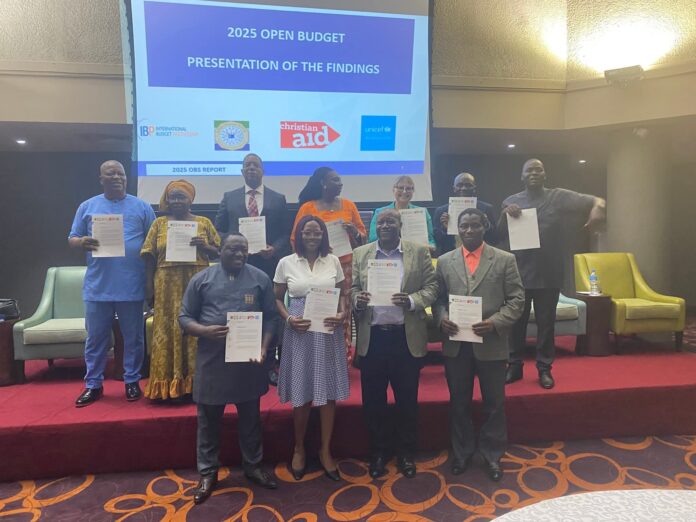
The 2025 Open Budget Survey (OBS) Report was officially launched in Freetown, Sierra Leone, at the Radisson Blu Hotel. This significant event was meticulously organized by the Budget Advocacy Network (BAN) in collaboration with its dedicated partners, showing a concerted effort to foster greater transparency in public finance. The primary purpose of this gathering was to meticulously assess Sierra Leone's current budget transparency performance and to collaboratively outline clear, actionable future reform pathways.
Dr. Ilara Mahdi, Acting Director of Budget for the Ministry of Finance, delivered the keynote address, providing key insights into the government's strategic vision for public resource management. Her address strongly emphasized the government's unwavering commitment to ensuring that public funds are managed with the utmost transparency and accountability. "Our goal is to ensure that no citizen feels left in the dark regarding how public resources are utilized," Dr. Mahdi stated, noting the administration's dedication to open governance. She further elaborated, adding that "Transparency and accountability are not our final destination. Rather, they are the pathways through which we ensure that resources reach the people and that every citizen feels a sense of ownership over national progress." This statement showed the foundational role of these principles in achieving broader national development goals.
Government's Progress and Achievements
The Government of Sierra Leone has demonstrably achieved several significant milestones in its steadfast commitment to enhancing budget transparency. These accomplishments include the consistent publication of key budget documents, which are essential for public scrutiny and understanding. The government has prioritized the production of Citizens’ Budgets, specifically designed to translate complex financial information into easily digestible formats, thereby making it accessible to a wider public audience. The development of budget briefs has also contributed to this effort, offering concise summaries of critical fiscal information. These initiatives are complemented by a concerted effort to foster strengthened collaboration with civil society organizations and the media, recognizing their vital role in disseminating information and holding the government accountable.
In addition to these direct measures for information dissemination, the government has substantially strengthened parliamentary oversight. This enhancement empowers the legislative branch to more effectively scrutinize public spending, ensuring checks and balances are robustly applied. Concurrently, the role of Audit Service Sierra Leone has also been significantly enhanced, contributing to improved accountability mechanisms and reinforcing financial discipline within the public sector. These institutional strengthening efforts are critical components of a full transparency framework.
The government has invested significantly in digitizing processes across its various ministries, departments, and agencies. This ambitious digitalization effort aims not only to streamline operations and improve overall efficiency but also to profoundly enhance the transparency and accessibility of government information and services. By embracing digital solutions, the government seeks to reduce bureaucratic hurdles and provide citizens with more immediate and reliable access to public data.
Acknowledged Challenges and Future Priorities
Despite the commendable progress achieved, challenges regrettably persist, particularly regarding the timeliness and comprehensiveness of budget information. The accessibility of public participation in budget processes also remains an area requiring further development. This candid assessment indicates specific areas that demand intensified attention to further enhance the overall transparency framework and ensure its effectiveness.
Key priorities for future efforts will squarely focus on ensuring that full and timely budget documents are consistently made available to the public. This commitment aims to bridge existing gaps in information accessibility. Additionally, creating effective dialogue platforms for citizens is critical, fostering meaningful engagement and allowing public input to shape fiscal decisions. Leveraging digital technology is also identified as a key priority, offering innovative ways to improve public engagement and the efficiency of information dissemination.
Participants present at the report launch unanimously agreed that additional reforms are necessary to further strengthen citizen engagement in budget processes. This consensus reflects a shared understanding of the importance of an active and informed citizenry. Further improvements are also critically needed to enhance budget credibility, ensuring that financial plans are realistic and adhered to throughout the fiscal year. The enforcement of audit recommendations is another vital area for reform, as it directly impacts accountability and prevents financial mismanagement. Finally, protecting spending in critical social sectors, such as health and education, remains an ongoing commitment to reinforce Sierra Leone's public financial management and ensure equitable development. The 2025 Open Budget Survey thus serves as both a full assessment of Sierra Leone's current performance and a practical roadmap for these key future reforms.
External Perspectives and Recommendations
International partners also offered valuable perspectives on Sierra Leone's journey towards greater fiscal transparency. UNICEF, for instance, commended Sierra Leone for its notable improvements in public participation and oversight mechanisms. The organization specifically noted that Sierra Leone performs comparatively well within the West African region in these critical areas, noting its leadership in fostering an inclusive budgeting environment. Separately, the International Monetary Fund (IMF) Representative emphasized a key point: that transparency measures, while vital, must be accompanied by strong budget credibility. This insight notes the importance of not only making financial information available but also ensuring that the budget itself is realistic, implementable, and consistently followed throughout its execution, thereby building trust and ensuring effective resource allocation.