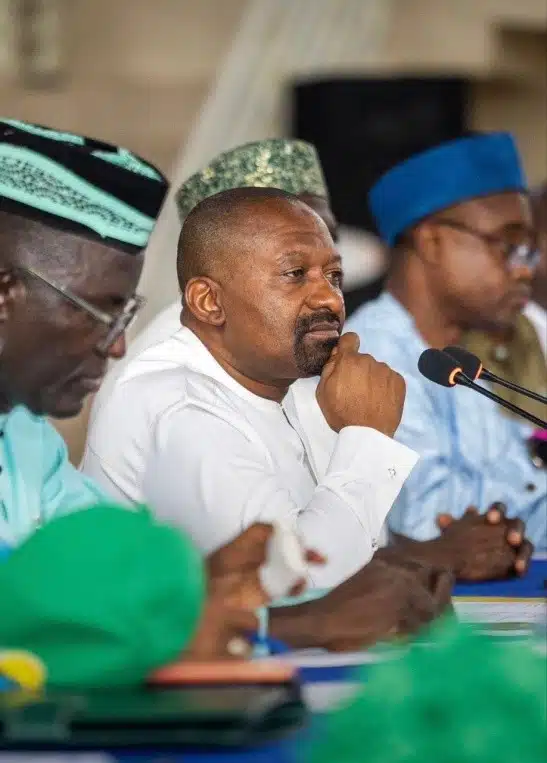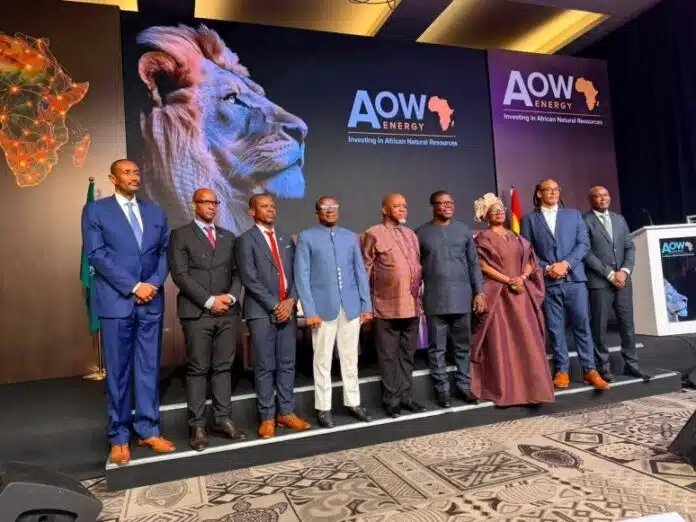
Sierra Leone has renewed its call for African countries to move beyond exporting raw minerals and natural resources by prioritizing local processing, industrial development, and job creation. This appeal, a consistent theme in the nation's foreign policy, aims to foster strong industrial development and create vital job opportunities across the continent. This significant call was made during Africa Oil Week 2026, a key event held on September 1, 2026, in Accra, Ghana. Umaru Napoleon Koroma, Sierra Leone's Deputy Minister of Mines and Mineral Resources and Minister of Employment, Labour and Social Security Designate, proudly led his country's delegation to the international conference.
Mr. Koroma stated unequivocally that "Africa cannot continue to be described as the world’s richest continent in natural resources while millions of its people remain poor and mining communities lack basic infrastructure, employment and economic opportunities." He further emphasized the urgency of the situation, noting that "the current generation of Africans is demanding a resource-governance system that promotes local processing, industrialization, skills development and sustainable employment." Processing minerals within Africa, he explained, would enable countries to retain significantly more economic value from their natural wealth, create much-needed jobs for young people, strengthen nascent domestic industries, and substantially improve the livelihoods of communities where these valuable resources are extracted. This strategic shift, Mr. Koroma added, is critical for sustainable development.
The Case for Local Processing
The urgent call for increased local mineral processing was a central message delivered at Africa Oil Week 2026. Umaru Napoleon Koroma reiterated the compelling argument that "Africa cannot continue to be described as the world’s richest continent in natural resources while millions of its people remain poor and mining communities lack basic infrastructure, employment and economic opportunities." He emphasized that processing minerals within the continent would offer substantial and transformative economic benefits, moving beyond the traditional model of exporting raw materials. Mr. Koroma elaborated, explaining that "processing minerals within Africa would enable countries to retain more economic value, create jobs for young people, strengthen domestic industries and improve the livelihoods of communities where natural resources are extracted." This approach is designed to ensure that the wealth generated from the land directly benefits African populations. Sierra Leone has consistently advocated for policies promoting beneficiation, value addition, and value multiplication in its natural resource sector. The country has maintained this progressive position over the past three years, pushing vigorously for strategies that transform raw materials into higher-value products before they are exported, thereby capturing greater economic returns.
Sierra Leone's Advocacy and Stability
Sierra Leone’s participation at Africa Oil Week 2026 reinforces the country’s growing contribution to key discussions on an inclusive African energy transition. Umaru Napoleon Koroma, Sierra Leone's Deputy Minister of Mines and Mineral Resources and Minister of Employment, Labour and Social Security Designate, took the opportunity to describe Sierra Leone as a stable democracy that has recorded five peaceful democratic transitions of power. This record of stability provides a strong foundation for its advocacy on resource governance. He reiterated the country's firm stance on resource governance during the high-profile event, showing its commitment to equitable and sustainable practices.
Mr. Koroma passionately stated that "Africa cannot continue to be described as the world’s richest continent in natural resources while millions of its people remain poor and mining communities lack basic infrastructure, employment and economic opportunities." He further emphasized that "the current generation of Africans is demanding a resource-governance system that promotes local processing, industrialization, skills development and sustainable employment." This demand reflects a continent-wide aspiration for greater economic sovereignty and self-sufficiency.
The Sierra Leonean delegation, which included Dr. John D. Cooper, Director of Policy and Research at the Ministry of Mines and Mineral Resources, actively engaged with a diverse group of policymakers, investors, and industry leaders at the conference. These engagements were key for disseminating Sierra Leone's message and fostering collaboration. Mr. Koroma further explained that "processing minerals within Africa would enable countries to retain more economic value, create jobs for young people, strengthen domestic industries and improve the livelihoods of communities where natural resources are extracted." This consistent advocacy notes Sierra Leone's unwavering commitment to value addition and economic empowerment within its natural resource sector.
Africa Oil Week Context
Africa Oil Week 2026, held in the vibrant city of Accra, Ghana, centered its extensive discussions around the pertinent theme "Investing in Africa’s Natural Resources." This overarching theme framed the various sessions, panel discussions, and networking engagements throughout the conference, providing a clear focus for participants. Sierra Leone's delegation, expertly led by Umaru Napoleon Koroma, participated actively in the event, consistently advocating for policies that promote local mineral processing and value creation. The overarching focus of the week noted the continent's immense potential for economic growth through its vast natural resource wealth, while also addressing the critical need for equitable and sustainable development practices. Discussions during the event frequently returned to how African nations could better capitalize on their resources to directly benefit local communities and drive industrialization across various sectors. The chosen theme showed the critical importance of strategic investments in the natural resource sector, aiming specifically to foster enhanced value addition and create substantial employment opportunities for populations across the entire continent.