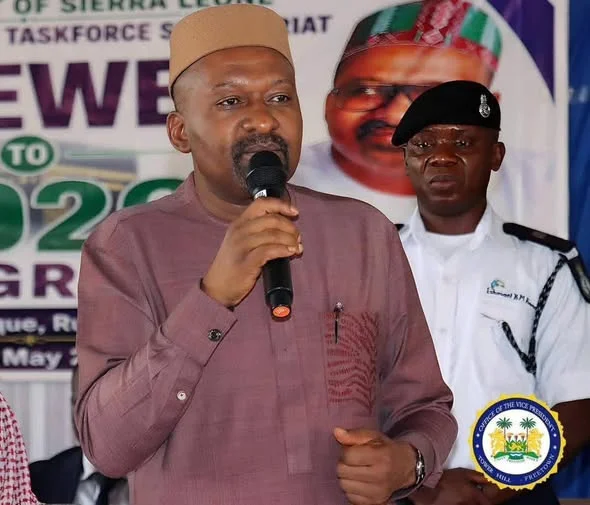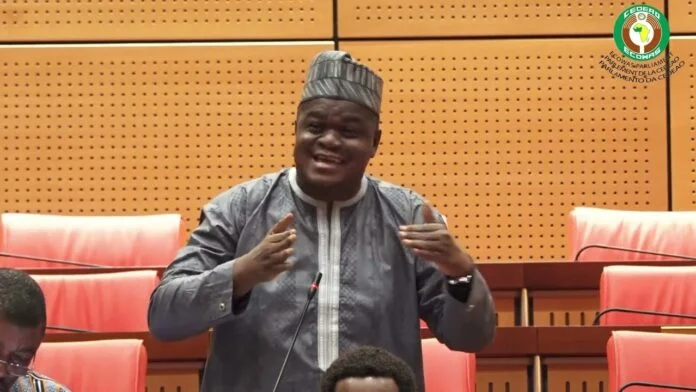
Sierra Leonean lawmaker and Member of the ECOWAS Parliament, Hon. Saa Emerson Lamina, issued a caution against the extension of presidential term limits in West Africa on Tuesday, May 5, 2026. Speaking in Abuja, Hon. Saa Emerson Lamina raised concerns regarding leaders who alter duration of their terms after campaigning on different promises. He stated, "I expressed concern about the presidency and entrance legitimacy which seem to change from what they promised to the reality on the ground. For example, there is a term limit debate, but at the time the President came to power, it turned out that there is no term limit now. That is surprising." These concerns specifically targeted attempts by some West African leaders to seek an extended stay in power, a practice Hon. Lamina views as detrimental to democratic governance and regional stability.
Hon. Saa Emerson Lamina emphasized that leaders in the region should not "shift the goalpost in the middle of the game," calling it a "red flag." He warned that "the danger in the prolongation of term limits and shifting from campaign promises is that it attracts military intervention," urging ECOWAS to act against leaders who pursue third-term ambitions or become "termless." His remarks showed the critical importance of adhering to constitutional provisions and electoral pledges to maintain peace and democratic order across the sub-region.
Concerns Over Democratic Erosion
The lawmaker's concerns focused on attempts by some West African leaders to seek extended stays in power. Hon. Saa Emerson Lamina, who also serves as Leader of Government Business Two in Sierra Leone’s Parliament, stated that leaders in West Africa must not "shift the goalpost in the middle of the game." He described such actions as a "red flag," according to his remarks. Lamina expressed discomfort that discussions surrounding the extension of presidential tenure were not explicitly noted in The Gambia’s Country Report, which was presented during the ongoing session running from May 4 to May 17, 2026. This omission, he suggested, could indicate a lack of transparency or a deliberate downplaying of a significant issue that affects democratic principles.
Hon. Saa Emerson Lamina commended the presenters, stating, "I should commend the presenters for giving full details on their political situation, democracy, peace, security and human rights, environmental situation including the effects of climate change and the status of implementation of Community texts, initiatives and programmes within member states." However, he voiced unease with what he perceives as a discrepancy between campaign promises and governing realities. "I expressed concern about the presidency and entrance legitimacy which seem to change from what they promised to the reality on the ground. For example, there is a term limit debate, but at the time the President came to power, it turned out that there is no term limit now. That is surprising," Lamina said. He reiterated his warning that altering term-limit arrangements after assuming office poses a significant threat to the stability of democratic institutions and the broader regional security framework.
He further elaborated on the potential consequences of such changes, warning, "The danger in the prolongation of term limits and shifting from campaign promises is that it attracts military intervention." Lamina drew parallels with established democracies, noting, "Fathers of democracy like the United States or even Nigeria have a two-term limit. I actually detest and do not admire leaders that campaign on the rules of two terms but turn out to be different with third-term ambitions and others becoming termless. It is not good for democracy and I think ECOWAS must act." He emphasized that such actions erode public trust and create an environment ripe for political instability.
Lamina also commented on the number of political parties in smaller nations, suggesting a need for stronger criteria. "It is difficult to reconcile how a small country with a small population is having over twenty-two political parties. There should be a stronger threshold in which individuals and political parties should fulfill before having the real opportunity to contest. That is very important," he observed. He advocated for harmonized legal frameworks across the region, adding, "It is possible for countries in ECOWAS to have uniform laws. For example, almost every country now adheres to the ECOWAS Protocol that says electoral laws cannot be changed six months before elections. Uniform laws will bring out the real tenets of democratic principles." This call for stronger eligibility standards and uniform laws aims to foster more strong and credible democratic processes within member states.
The Gambia's Political Landscape
Sierra Leonean lawmaker Hon. Saa Emerson Lamina warned that altering term-limit arrangements after assuming office poses a threat to democracy and regional stability. He expressed concern about the presidency and entrance legitimacy in The Gambia, noting a term limit debate within the country. Hon. Lamina asserted that prolonging presidential tenure beyond agreed frameworks can create political tension and encourage unconstitutional changes of government, including military interventions. He also questioned the proliferation of political parties in The Gambia, suggesting stronger eligibility standards for participation. This concern about the number of political parties aligns with his broader advocacy for more stringent criteria for political participation in smaller nations.
The Gambia is currently preparing for its December 2026 Presidential Elections, with the Independent Electoral Commission having already published the electoral timetable. Under The Gambia's 1997 Constitution, Presidents are permitted unlimited five-year terms. President Adama Barrow has confirmed his intention to seek re-election in the upcoming presidential election. The Gambia has a population of over 2.4 million people. The lawmaker's comments highlight the ongoing regional scrutiny of electoral processes and constitutional adherence in member states, particularly concerning presidential term limits.
Calls for Uniformity and Stability
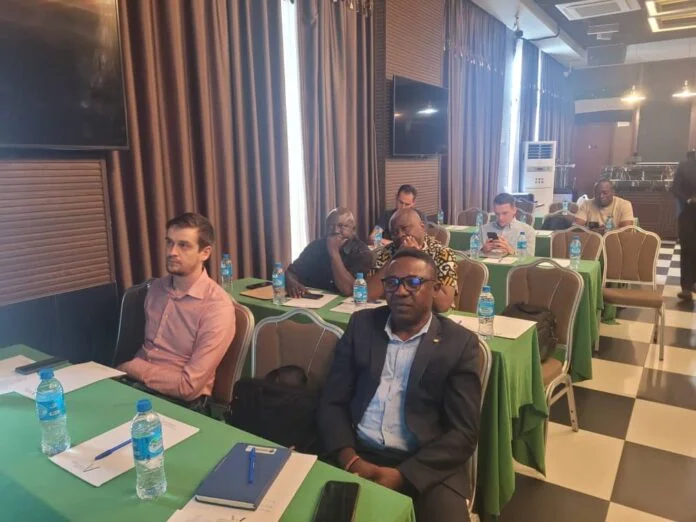
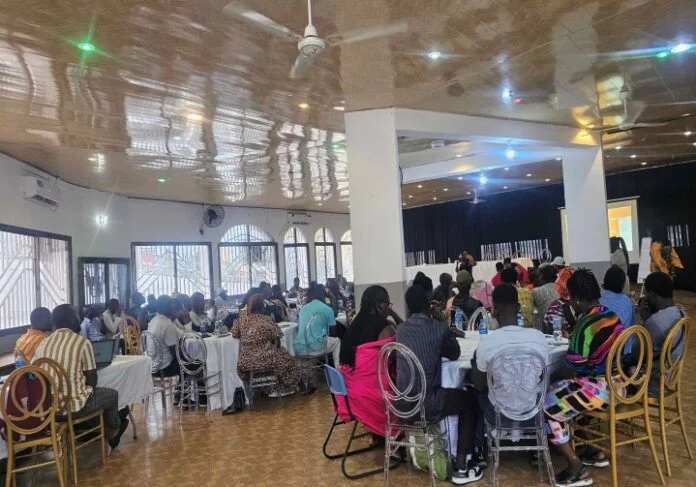
The Sierra Leonean lawmaker’s remarks came during the ongoing 2026 First Ordinary Session of the ECOWAS Parliament. The session is being held in Abuja, Nigeria, where regional legislative matters are discussed. The session, which runs from May 4 to May 17, 2026, provides a key platform for addressing pressing issues affecting West African democracies. Hon. Saa Emerson Lamina clarified that while he opposes term limit extensions, he does not support military takeovers as a solution to such political issues. His stance emphasizes adherence to democratic principles without endorsing unconstitutional changes of government. He stressed that while military interventions might seem like a swift solution, they ultimately undermine the very democratic structures they claim to protect.
Hon. Saa Emerson Lamina cited Article 40.2 of ECOWAS democratic principles, which stipulates that any change to electoral laws must not occur less than six months before an election. This principle is a cornerstone of ensuring fair and predictable electoral processes across the region. He advocated for the harmonization of legal frameworks across the Economic Community of West African States, suggesting that uniform laws would reinforce democratic principles and ensure consistency among member states. He referenced established democracies, noting that countries such as the United States and Nigeria have a two-term limit for their presidents. Lamina presented these nations as examples of stable democratic systems that adhere to clear presidential tenure rules, contrasting them with situations where leaders seek to prolong their stay in power. His call for uniform laws and adherence to established democratic norms reflects a broader regional aspiration for political stability and good governance.