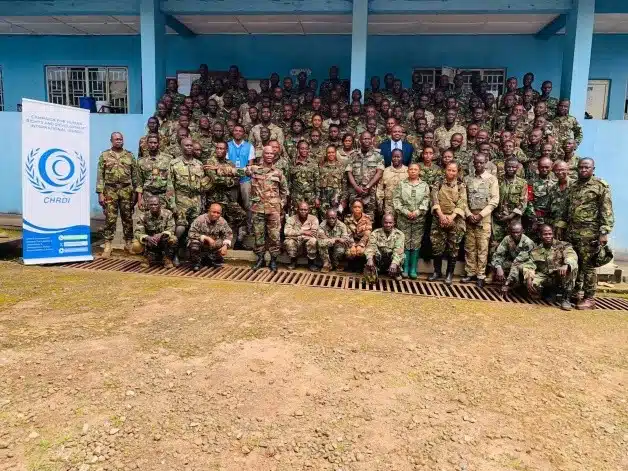
The Campaign for Human Rights and Development International (CHRDI) recently concluded a two-day specialized training programme in Sierra Leone. The initiative saw 128 personnel from the Republic of Sierra Leone Armed Forces (RSLAF) participate. The training focused on International Humanitarian Law (IHL), Gender-Based Violence (GBV), and the prevention of Sexual Exploitation and Abuse (SEA). This full programme was specifically designed to strengthen the preparedness of RSLAF personnel for deployment on United Nations peacekeeping operations, ensuring their adherence to critical international standards of conduct and operation. The objective was to equip these peacekeepers with the essential legal and ethical frameworks necessary for their roles in complex global environments.
Training Content and Focus
The first phase of the programme was conducted under the theme "The Peacekeeper's Legal Compass." This segment dedicated particular attention to the protection of civilians, medical personnel, and civilian objects during armed conflicts, which are fundamental tenets of International Humanitarian Law. Participants gained a deeper understanding of their responsibilities to safeguard vulnerable populations and critical infrastructure in conflict zones. This foundational knowledge is considered critical for any peacekeeper operating under the UN mandate.
The second phase of the training emphasized preventing misconduct, particularly addressing offences related to Gender-Based Violence (GBV) and Sexual Exploitation and Abuse (SEA). This key component aimed to instill a zero-tolerance approach to such violations. Participants received a detailed briefing on the United Nations' Zero-Tolerance Policy concerning sexual exploitation and abuse, reinforcing the global body's stringent stance on such matters and the severe consequences for any breaches of conduct. The training showed the importance of maintaining discipline and upholding the highest ethical standards at all times.
Broader Context and Goals
The training initiative forms part of ongoing international efforts to enhance accountability, discipline, and respect for human rights within United Nations peacekeeping operations. These programmes are designed to ensure that peacekeepers deployed globally adhere to the highest standards of conduct, particularly concerning civilian protection and the prevention of grave misconduct. By focusing on International Humanitarian Law, Gender-Based Violence, and Sexual Exploitation and Abuse prevention, the training aims to equip Republic of Sierra Leone Armed Forces personnel with the necessary legal and ethical frameworks. The objective is to foster a culture of compliance with international norms, thereby strengthening the overall effectiveness and legitimacy of UN missions worldwide. Such efforts are vital for maintaining the credibility of UN operations and ensuring the safety and well-being of the communities they serve. This commitment to continuous training reflects a global recognition of the evolving challenges faced by peacekeepers and the critical need for strong ethical guidelines.
Significance for Peacekeeping
The training programme for Republic of Sierra Leone Armed Forces (RSLAF) personnel holds significant implications for the effectiveness and integrity of United Nations peacekeeping operations. By equipping peacekeepers with a full understanding of International Humanitarian Law (IHL), Gender-Based Violence (GBV), and Sexual Exploitation and Abuse (SEA) prevention, the initiative aims to bolster their adherence to international standards. This focus is key for safeguarding civilian populations in conflict zones and maintaining the credibility of UN missions globally. A well-trained and ethically aware peacekeeping force is better positioned to execute its mandate effectively and build trust within host communities.
Programmes like the one conducted by the Campaign for Human Rights and Development International (CHRDI) contribute to the broader objective of fostering disciplined and accountable peacekeeping forces. The United Nations maintains a strict Zero-Tolerance Policy regarding sexual exploitation and abuse, and such training ensures that deployed personnel are fully aware of and committed to upholding these critical principles. Ultimately, enhancing the legal and ethical framework of peacekeepers directly supports the UN's mandate to protect vulnerable communities and promote stability in complex operational environments, reinforcing the global commitment to human rights and dignified conduct in all peacekeeping missions.