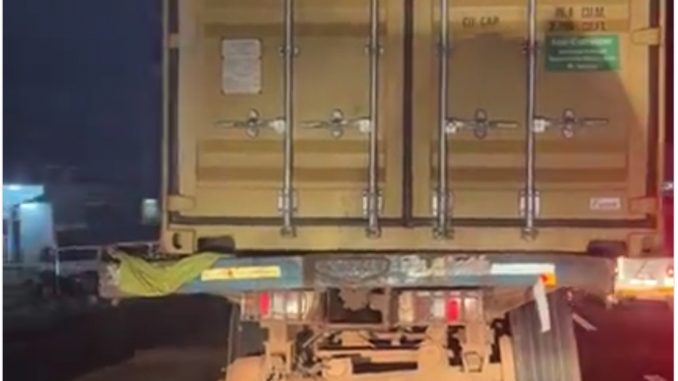
Container trucks in Sierra Leone are reportedly operating daily on public roads without adequate safety measures, posing significant risks to all road users. These heavy-duty vehicles dangerously ply Sierra Leonean roads, frequently lacking proper safety checks, fitted chains, and secure locking systems for their cargo, according to recent reports. Additionally, many of these container trucks are said to be overloaded, further exacerbating the safety concerns and increasing the potential for catastrophic accidents on the nation's roadways. The widespread nature of these deficiencies notes a systemic problem that demands immediate attention.
Systemic Failures and Deadly Consequences
The current situation is unequivocally characterized by observers as negligence and preventable killing, stemming from a combination of weak enforcement, poor regulation, and a persistent lack of accountability within the transport sector. Critical questions are being raised about why unsafe containers are allowed to operate on public roads with such apparent impunity and why roadworthiness checks are reportedly ignored by relevant authorities. Concerns also extend to the unrestricted daytime movement of heavy trucks through busy traffic areas, the overall effectiveness of current inspection processes, and the reactive nature of enforcement actions, which often only occur after tragic incidents have already taken place. Additionally, the roles of the Sierra Leone Road Safety Authority (SLRSA) and the traffic police are under intense scrutiny, particularly regarding whether revenue generation is prioritized over the critical concern of public safety. This perceived imbalance further undermines efforts to ensure secure transportation practices.
The Human Cost of Neglect
The devastating human cost of this negligence is starkly evident; more than 10 lives have reportedly been lost in container-related accidents in Sierra Leone within the last three to four days alone. The alarming frequency of these incidents notes the direct and tragic human impact of the ongoing container truck crisis. Victims often include innocent pedestrians and occupants of other vehicles, caught in unavoidable accidents involving container trucks that are frequently cited for lacking proper safety mechanisms. These recent fatalities show the urgent need for full reforms in road safety regulations and enforcement across the country. The recurring nature of such tragic events points to deep-seated systemic issues that continue to jeopardize public safety on Sierra Leone's roads, turning daily commutes into perilous journeys for many.
Pathways to Accountability and Safety
In response to the escalating crisis, calls for immediate action to address the container truck crisis in Sierra Leone have been directed at multiple government agencies and transport sector entities. Stakeholders are urging the government, the Sierra Leone Road Safety Authority (SLRSA), and the Sierra Leone Police to implement a series of key reforms without delay. These include an immediate ban on all container trucks deemed unsafe for road use, effectively removing imminent threats from the country's roads. Further proposals involve the rigorous enforcement of mandatory safety measures, specifically requiring the consistent use of chains and safety locks on all container vehicles to secure their cargo.
The recommendations also emphasize the critical need for stringent inspection systems to ensure ongoing compliance with established safety standards, moving beyond mere reactive measures. Advocates suggest restricting the movement of container trucks during busy daytime hours to significantly mitigate risks to other road users and pedestrians, thereby reducing the potential for collisions during peak traffic. Additionally, there is a strong push to hold transport companies directly accountable for the safety and roadworthiness of their fleets, shifting responsibility towards operators to prevent future incidents through proactive maintenance and adherence to regulations. These full measures collectively aim to enhance road safety, prevent further loss of life, and restore public trust in the integrity of Sierra Leone's road transport system.