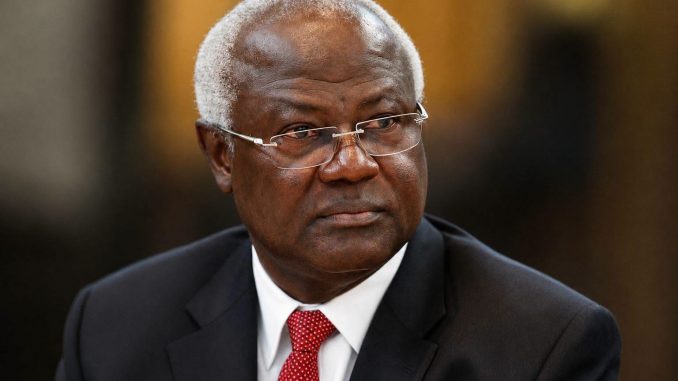
The treason case against former President Ernest Bai Koroma has been discontinued in Sierra Leone. The development has raised questions about the application of justice, specifically whether it was applied equally, transparently, and consistently to all individuals involved. Observers are now asking whether Sierra Leone possesses a fair judiciary or if justice in the nation depends on a person's status. The fundamental question being posed by many is whether justice in Sierra Leone is truly blind, or if its application varies significantly based on an individual's position and influence within society. This critical inquiry delves into the very core of the nation's legal principles and their practical implementation.
Unequal Outcomes for Co-Accused
Individuals accused in connection with the same case as former President Ernest Bai Koroma have experienced varied and often severe outcomes. Some of these co-accused have already been convicted and are currently serving prison sentences. Others endured lengthy periods in detention before their cases reached a conclusion. Reports indicate that some individuals involved in the case have died without witnessing the final outcome of the legal process. The disparity in outcomes, particularly when charges against the most politically powerful person in a case are withdrawn while others remain imprisoned, has led citizens to question the fairness of the justice system. This situation has prompted scrutiny regarding the consistent application of legal principles for all individuals involved. The stark contrast between the fate of the former President and his co-accused notes a perceived imbalance, fueling public debate about whether justice is truly dispensed without fear or favor. This perceived unequal treatment shows a deeper concern about the integrity and impartiality of the judicial process when high-profile political figures are involved.
Concerns Over Judicial Fairness
The trials of other individuals accused in connection with the same case as former President Ernest Bai Koroma generated significant concerns among many Sierra Leoneans. These concerns focused on the transparency of proceedings, the availability of appropriate legal representation, the management of evidence, and the extent to which the accused were afforded a fair chance to present their defense. Many felt that these key aspects of a fair trial were not consistently upheld, leading to doubts about the legitimacy of the convictions. The questions raised about the handling of these cases are not merely procedural; they touch upon the fundamental right to a fair hearing for all citizens.
Observers contend that justice should not be determined by an individual's status, political influence, or personal connections. It is argued that both a private citizen and a former president must be treated equally under the law. This principle of equality before the law is considered a cornerstone of any truly democratic and just society. When the public perceives that powerful individuals receive preferential treatment compared to ordinary citizens, confidence in the justice system diminishes. This disparity in treatment, particularly in high-profile cases, can undermine the fundamental principle of equal justice for all, leading to broader skepticism about the judiciary's impartiality. The perception of unequal application of the law risks eroding trust in the fairness and integrity of legal institutions. Such a decline in public trust can have broad consequences, potentially fostering a sense of cynicism and disengagement from the legal system among the populace. The consistent and transparent application of justice is therefore not just a legal requirement but a societal imperative for maintaining order and faith in governance.
Call for Transparency and Review
The article suggests that if the state believes continuing the case against former President Ernest Bai Koroma is no longer in the public interest, the cases of all others involved should also be reviewed. It contends that the government and the Office of the Attorney General owe the public a clear explanation for why the charges against Mr. Koroma were dropped. This explanation is considered vital for maintaining public confidence in the legal process. Without a clear and justifiable rationale, the decision risks being perceived as politically motivated, further deepening public skepticism. The article further posits that if principles of mercy, reconciliation, or political compromise can be extended to a former president, these same principles must be considered for others implicated in the same case. Such a review would address concerns about equitable treatment and the consistent application of justice across all levels of society. This call for consistency ensures that the benefits of such considerations are not selectively applied, reinforcing the idea that justice should be impartial and universally accessible.
Broader Implications for Reconciliation
National reconciliation efforts in Sierra Leone should extend beyond political leaders to encompass all segments of society, according to observers. This perspective suggests that ordinary citizens, soldiers, police officers, and families should also be included in any reconciliation processes. The argument posits that limiting such initiatives to high-profile political figures diminishes the potential for widespread healing and lasting peace. A full approach, it is argued, is necessary to address the grievances and foster unity among all those affected by past events. This broader inclusion is seen as key for ensuring that the benefits of reconciliation are felt throughout the country, not just at the political elite level. Reconciliation, to be truly effective and enduring, must be a grassroots process that acknowledges the suffering and contributions of all citizens, regardless of their societal standing or political affiliation.