Sierra Leone’s Attorney-General has discontinued treason proceedings against former President Ernest Bai Koroma, bringing one of the country's most consequential criminal cases to an unexpected close. This decision signals a significant development in the legal challenges faced by Koroma, effectively ending the legal process that had been initiated against the former head of state. The move by the Attorney-General to cease prosecution in such a high-profile matter shows the complex and sensitive nature of political transitions and legal accountability in the West African nation. The conclusion of this case, which had drawn considerable national, regional, and international attention, marks a key moment for Sierra Leone's political landscape and its pursuit of national cohesion.
Legal Basis for Discontinuation
The power to issue a nolle prosequi, which terminates legal proceedings, is outlined in section 45 of Sierra Leone's Criminal Procedure Act, 2024. This legal instrument effectively ends the proceedings before the court and lifts the immediate burden of prosecution from the accused. The Attorney-General's authority to exercise this power is a critical component of the country's legal framework, allowing for the cessation of cases under specific circumstances. While a nolle prosequi halts the current legal process, it does not constitute a judicial determination of either innocence or guilt regarding the charges. The discontinuation of proceedings through this mechanism also does not prevent future legal actions, should circumstances permitted by law arise. This distinction is key, as it clarifies that the decision is an administrative one regarding prosecution, rather than a verdict on the merits of the case itself. The Attorney-General's office utilized this provision in the case involving former President Ernest Bai Koroma, applying a specific legal tool to resolve a politically charged situation. The application of section 45 in such a prominent case notes its importance in the country's judicial operations.
Koroma's Return and Reconciliation
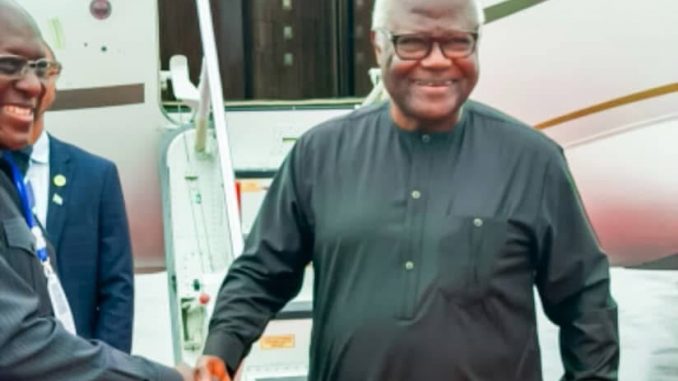
Former President Ernest Bai Koroma expressed gratitude to President Julius Maada Bio, President Bola Ahmed Tinubu, and ECOWAS for facilitating conditions conducive to dialogue. Mr. Koroma emphasized themes of peace, justice, and national reconciliation following the discontinuation of his treason case. His statement showed the broader implications of the legal resolution, extending beyond mere legal technicalities to the fabric of national unity. With the prosecution formally concluded, the bail conditions previously imposed on the former President were lifted. This decision means Ernest Bai Koroma is now free to return to Sierra Leone at any time of his choosing, removing the legal constraints that had previously limited his movements and public engagements. The lifting of these conditions signifies a complete cessation of the immediate legal pressures he faced. The former President's acknowledgment of the roles played by regional leaders and organizations further emphasizes the diplomatic efforts that underpinned the resolution of this complex situation, pointing to a concerted push for stability and dialogue.
Opportunity for National Closure
The discontinuation of proceedings against former President Ernest Bai Koroma represents a significant moment for Sierra Leone. The case involved allegations of treason stemming from the events of November 2023, which had drawn considerable national, regional, and international attention. These allegations and the subsequent legal process centered on a former head of state and touched upon issues with broad implications for the West African nation's governance and stability. The resolution of this high-profile case could pave the way for a period of national reflection and reconciliation, offering an opportunity for the country to move forward from a period of political tension. This development has been closely watched by various stakeholders, given the political sensitivities involved and the potential impact on Sierra Leone's democratic institutions. The Attorney-General's decision to halt the prosecution concludes a chapter that had captivated public discourse and engaged diplomatic efforts beyond Sierra Leone's borders, marking a definitive end to this particular legal saga. The hope is that this closure can contribute to fostering a more unified and peaceful future for the nation.