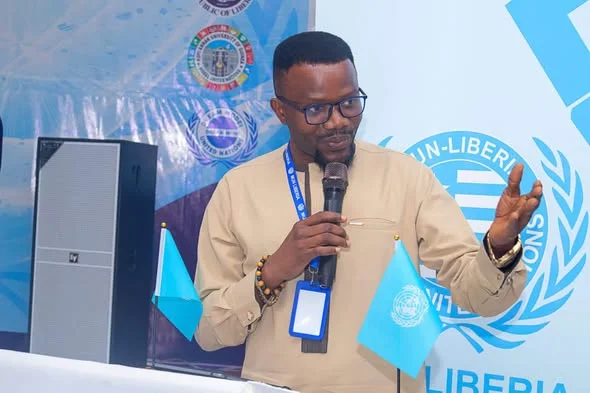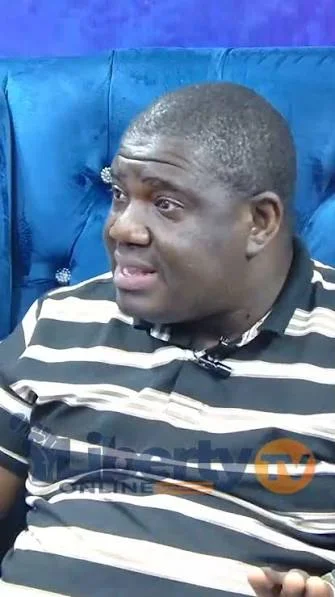
Moses Mambu, the National Public Relations Officer for Sierra Leone's ruling Sierra Leone People’s Party (SLPP), was interviewed by Lamrana Bah of Truth Media on August 27, 2026. Mambu's remarks during the interview, which have been widely disseminated and discussed, have drawn significant attention ahead of the upcoming election cycle. These statements have sparked concerns regarding a potential tenure extension for the current administration, prompting close scrutiny from political commentators and the public alike. His statements are now at the center of growing political discourse in the country, contributing to an atmosphere of speculation and debate regarding the nation's electoral future.
Mambu's Election Year Statements
Moses Mambu, in his capacity as the National Public Relations Officer for the Sierra Leone People’s Party (SLPP), has frequently referred to "2028 or 2030 elections" during his public appearances. These references were notably made on both SLIK and Liberty Online TVs, according to reports from various media outlets and observers. Mambu's repeated mentioning of these specific dates, which deviate from the commonly anticipated electoral timeline, has significantly contributed to ongoing discussions about the electoral schedule in Sierra Leone. The statements have drew considerable attention as the country approaches a key election period, prompting scrutiny from political observers, civil society organizations, and the general public regarding the government's future plans and intentions. His remarks have become a key point of discussion in the national political discourse, influencing public perception and political debate.
Context and Official Stance
Sierra Leone's next presidential and parliamentary elections are generally expected to take place in 2028, aligning with the constitutional framework for electoral cycles. Despite this widely held expectation and the established legal provisions, there is presently no credible evidence indicating that the Government or the Sierra Leone People’s Party (SLPP) has formally resolved to postpone these elections. Official communications from government bodies or the ruling party have not confirmed any shift from the anticipated electoral timeline, nor have any legislative initiatives been introduced to propose such changes. The absence of formal declarations from either the government or the ruling party suggests that the 2028 schedule remains the established framework for the upcoming polls. This context is key in framing the ongoing discussions surrounding the SLPP Spokesperson's recent remarks, as it notes a discrepancy between unofficial statements and official policy.
Mambu's Defense and Interpretation
Moses Mambu reportedly contextualized his remarks by referencing former President Ernest Bai Koroma of the All People’s Congress (APC) and the Ebola crisis. These historical events were cited in connection with previous alterations to election timelines, suggesting a precedent for such adjustments under extraordinary circumstances. Mambu's explanation aimed to clarify the basis for his mentions of varying election dates, linking them to past instances where national circumstances, such as public health emergencies or other significant events, influenced the electoral schedule and necessitated changes to the original plans. This defense sought to frame his comments as historical observations rather than declarations of current government policy or intent.
Broader Implications for Trust
Speculation has emerged in Sierra Leone regarding the possibility of a seven-year presidential term, a concept that would significantly alter the established democratic framework. This discussion adds another layer of concern to the public discourse following the SLPP Spokesperson's recent remarks, fueling anxieties about the stability and predictability of the electoral process. Such speculation, particularly when it touches upon fundamental aspects of democratic governance like term limits and election schedules, could potentially undermine public confidence in the electoral process and the government's commitment to established democratic norms and constitutional principles. The implementation of an extended presidential term, if it were to occur, would represent a significant departure from the current presidential tenure and could have broad implications for the nation's political landscape and its democratic institutions.