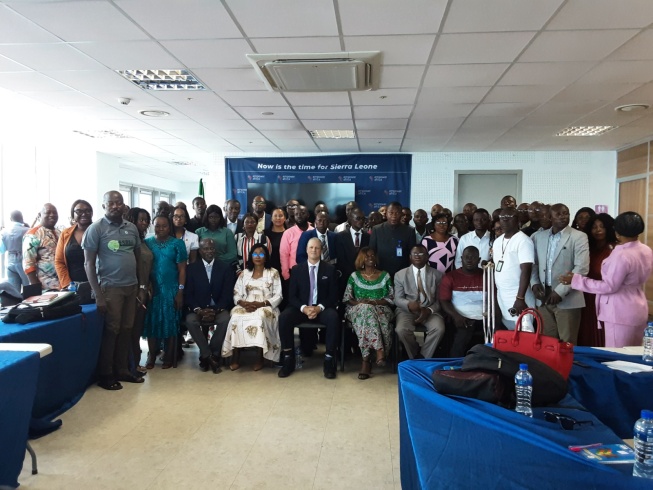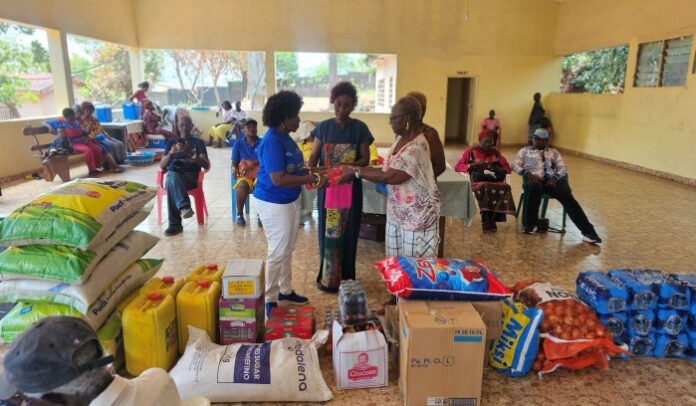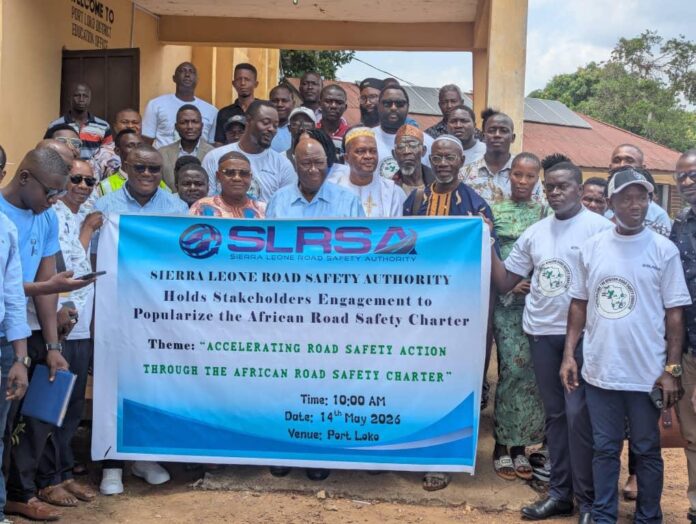
The Sierra Leone Road Safety Authority (SLRSA) convened a high-level stakeholders’ engagement in Port Loko City on Thursday, May 15, 2026. The meeting aimed to popularize the African Road Safety Charter and strengthen nationwide awareness regarding road safety responsibilities. This critical gathering showed the Authority's commitment to fostering a culture of road safety across Sierra Leone. The engagement was designed to ensure that the principles and objectives of the African Road Safety Charter are widely understood and adopted by all relevant parties, from government agencies to local communities. By strengthening nationwide awareness, the SLRSA seeks to empower citizens with the knowledge necessary to contribute actively to safer road environments.
Charter's Continental Goals
The African Road Safety Charter commits member states to reducing road traffic crashes and fatalities by 50 percent. This ambitious target reflects a continental determination to address the severe human and economic toll exacted by road accidents. This document functions as a continental legal and policy framework, specifically designed to decrease road crashes, fatalities, and injuries throughout Africa. It provides a harmonized approach for African nations to develop and implement effective road safety strategies. Sierra Leone formally ratified the African Road Safety Charter in July 2025, becoming the 14th African Union member state to do so. This ratification marked a significant step for the nation, aligning its road safety agenda with broader regional efforts. The nation's ratification aligns with broader continental efforts to enhance road safety through standardized policies and actions, fostering a collective response to a shared challenge. The Charter's full nature means it addresses various aspects of road safety, including infrastructure, vehicle standards, driver behavior, and post-crash response. Its adoption by a growing number of African Union member states signifies a unified commitment to achieving substantial improvements in road safety outcomes across the continent.
The importance of this charter was further emphasized during the 6th United Nations Global Road Safety Week. The theme for the week was "Accelerating Road Safety Action Through the African Road Safety Charter," noting the document's central role in fostering coordinated initiatives across the continent. This theme served to show the critical link between global road safety objectives and the specific framework provided by the African Road Safety Charter. The 6th United Nations Global Road Safety Week provided an international platform for discussions and actions aimed at reducing road fatalities and injuries worldwide. This focus shows the international community's recognition of the charter as a vital instrument for achieving significant improvements in road safety outcomes. The week-long event brought together policymakers, experts, and advocates from around the globe to share best practices and strategize on implementing effective road safety measures.
National Road Safety Challenges
Sierra Leone recorded more than 2,000 road crashes between January 2025 and May 18, 2026, noting significant national road safety challenges. These figures show the urgent need for full and sustained interventions to mitigate the risks on the nation's roads. The African Union Commission received Sierra Leone's instrument of ratification for the African Road Safety Charter in September 2025. This formal step followed the nation's ratification of the charter in July 2025, solidifying its commitment to regional road safety objectives. The deposition of the instrument of ratification at the African Union Commission was a key procedural step, formally embedding Sierra Leone's pledge within the continental framework. These efforts align with the broader continental aim to reduce road traffic crashes and fatalities by 50 percent, as outlined in the charter. The high number of crashes recorded within this relatively short period points to systemic issues that require multi-faceted solutions, ranging from enhanced enforcement to public education and infrastructure improvements.
The data further indicates that over 68 percent of the recorded road crashes involved commercial motorbikes. This statistic points to a specific area of concern within Sierra Leone's overall road safety profile. The disproportionately high involvement of commercial motorbikes in crashes notes the need for targeted interventions, including stricter regulation, rider training, and public awareness campaigns specifically aimed at this sector. The high incidence of motorbike-related accidents contributes significantly to the national tally of road incidents, posing a substantial challenge to the country's road safety goals. These accidents often result in severe injuries and fatalities, placing a heavy burden on public health services and the affected families. The Sierra Leone Road Safety Authority (SLRSA) is working to address these figures through stakeholder engagement and public awareness campaigns. The SLRSA's initiatives aim to integrate the principles of the African Road Safety Charter into national policy and practice, seeking to mitigate the impact of such widespread road safety issues across the country. Addressing the prevalence of motorbike accidents is therefore a key priority for the Authority in its efforts to improve overall road safety.
SLRSA's Strategic Initiatives
The Sierra Leone Road Safety Authority (SLRSA) carries core responsibilities that include the issuance of driver’s and vehicle licences, conducting vehicle fitness tests, and ensuring safer roads across the country. These fundamental functions are critical to maintaining road safety standards and regulating vehicle operations. The issuance of driver's licences ensures that only qualified individuals are permitted to operate vehicles, while vehicle fitness tests guarantee that vehicles on the road meet safety standards. These functions underpin the authority's efforts to regulate and improve road conditions, thereby reducing the likelihood of accidents. The SLRSA's mandate extends to monitoring road infrastructure and advocating for improvements that enhance safety for all road users.
In line with its mandate, the SLRSA has intensified enforcement actions targeting operators of unroadworthy heavy-duty vehicles. This initiative mandates fitness tests for all such vehicles before they can obtain new licences or renew existing ones. This measure aims to enhance road safety by removing hazardous vehicles from circulation, which are often implicated in serious accidents due to mechanical failures. The rigorous application of fitness tests ensures that heavy-duty vehicles, which pose a greater risk due to their size and weight, adhere strictly to safety regulations. This proactive approach helps to prevent potential accidents caused by faulty brakes, worn-out tires, or other mechanical deficiencies.
The stakeholder engagement in Port Loko City formed part of activities commemorating the 6th United Nations Global Road Safety Week. This annual event provides a platform for countries to highlight road safety challenges and implement concerted actions to address them. The SLRSA's participation reflects its commitment to aligning national efforts with international road safety objectives, fostering a collaborative approach to tackling global road safety issues. The commemoration of the UN Global Road Safety Week in Sierra Leone served to amplify the message of road safety and encourage greater public participation in prevention efforts. The event allowed the SLRSA to showcase its initiatives and engage with various sectors of society to build a unified front against road accidents.
Stakeholder Perspectives
The event took place at the Education Hall in Port Loko City, convening key stakeholders from across the North-West Region. This gathering served to foster dialogue and coordinate efforts among various regional entities involved in road safety initiatives. The choice of Port Loko City as the venue for this significant engagement showed the SLRSA's commitment to reaching out to different regions and ensuring that road safety messages resonate throughout the country. The broad representation of stakeholders, including local government officials, transport unions, law enforcement, and civil society organizations, ensured a full discussion on the challenges and solutions pertinent to the region. The interactive nature of the engagement allowed for the sharing of local perspectives and the development of region-specific strategies to improve road safety.
Strengthening institutional collaboration between the Sierra Leone Road Safety Authority (SLRSA) and the Sierra Leone Police was one of the earliest initiatives undertaken by SLRSA Executive Director James Bagie Bio. This collaborative approach aims to enhance enforcement and public awareness campaigns, integrating efforts from both organizations to improve road safety outcomes. This strategic partnership is key for effective road safety management, as the Police play a vital role in enforcing traffic laws and responding to accidents, while the SLRSA focuses on policy, regulation, and education. The focus on inter-agency cooperation is central to the SLRSA's strategy for addressing the national road safety challenges, particularly in light of the high incidence of road crashes recorded. By working hand-in-hand, both institutions can leverage their respective strengths to create a more strong and effective road safety framework, ultimately contributing to a significant reduction in road crashes and fatalities across Sierra Leone.