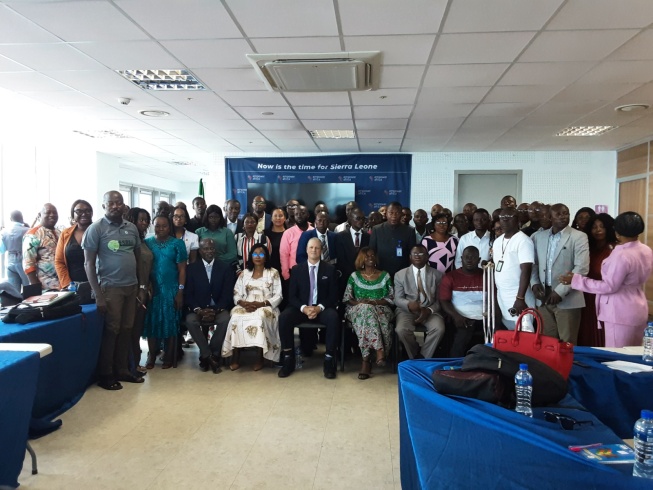
The Ubuntuverse Institute has released "The 3 Trillion Corporate Advocacy PlayBook: Africa’s 10× CAMPs Accelerating Just Clean Energy’s Green Industrialisation," outlining strategies to foster green industrialization across Africa. This full document aims to chart a clear path for the continent to leverage its immense natural resources for sustainable economic development. The Institute is actively convening dialogues with corporate, civil-society, and policy actors throughout Africa and globally to discuss the playbook's recommendations and build consensus around its proposed framework. For wider accessibility, the complete PlayBook and its launch video are readily available through Zenodo and on the Ubuntuverse Institute’s dedicated PlayBook portal, ensuring that its insights reach a broad audience of stakeholders.
Africa's Vast Green Potential
Africa possesses approximately 30 per cent of the world's critical mineral reserves, according to data noted in the Ubuntuverse Institute's new playbook. These reserves are essential for the global clean energy transition, positioning Africa as a key player in the future of green technology. The continent also hosts 60 per cent of the world's best solar resources, providing an unparalleled foundation for large-scale renewable energy generation. This abundance of natural assets positions Africa as a significant potential hub for green energy development and manufacturing. The PlayBook projects a 300-gigawatt clean energy build-out window for Africa, indicating substantial opportunities for the rapid expansion of renewable energy infrastructure across the continent. This ambitious target shows the scale of the potential for clean energy generation and its role in transforming Africa's industrial landscape.
Despite its vast potential for clean energy production, a significant challenge remains: six hundred million Africans currently lack reliable electricity access. This stark disparity exists even though Africa contributes less than 3 per cent of global emissions, noting an urgent need for sustainable development that prioritizes energy access. The Ubuntuverse Institute's framework aims to address this gap by promoting strategies for green industrialization that could harness the continent's natural resources for sustainable development, ultimately improving livelihoods and fostering economic growth. The PlayBook emphasizes that unlocking this potential is not just an economic imperative but also a social one, key for achieving energy equity and climate justice.
Addressing the Investment Chasm
The Ubuntuverse Institute's PlayBook identifies a significant private investment gap of $2.25 trillion within Africa's green industrialization efforts. This substantial shortfall in funding is a primary barrier to realizing the continent's green potential. Addressing this investment gap is presented as key for the continent's development trajectory, as it directly impacts the pace and scale of industrial transformation. The PlayBook suggests that closing this substantial investment gap could significantly compress Africa’s industrialization timeline, potentially reducing it from an estimated 50 to 100 years to a more accelerated 20 to 40 years. This acceleration would have profound implications for economic development, job creation, and poverty reduction across the continent.
Despite its immense green potential and critical need for investment, Africa currently attracts less than 3 percent of global clean energy investment. This low level of financial inflow is also reflected in the continent's share of global solar capacity, with Africa capturing only 1 percent of the world's installed solar power. The PlayBook contends that this investment asymmetry constitutes a coordination failure rather than a market failure, implying that structural and organizational issues, rather than a lack of viable projects or resources, are hindering capital deployment. This perspective suggests that with better coordination among governments, businesses, and international partners, this investment gap can be overcome. To address these challenges and foster industrial growth, the PlayBook proposes the establishment of five distinct Future Industrialization and Renewable Energy Zones (FIREZs), designed to span across six anchor countries on the continent. These zones are intended to serve as strategic hubs for concentrated investment and development in green industries.
The CAMPs Advocacy Mechanism
The Ubuntuverse Institute's playbook introduces Corporate Advocacy Mobilisation Pioneers (CAMPs) as a key mechanism designed to accelerate Africa's green industrialization. This innovative framework centers on five priority sectors identified as critical for sustainable economic growth and industrial transformation. These sectors include clean technology manufacturing, which is vital for producing green solutions locally; renewable energy development, essential for powering the continent sustainably; transition minerals and mining, focusing on responsible extraction of resources needed for the green economy; green steel production, which aims to decarbonize heavy industry; and agriculture and agri-processing, key for food security and value addition.
The PlayBook’s development was a collaborative effort, drawing on input from fourteen partner organisations. This extensive collaboration ensured a diverse range of perspectives and expertise contributed to shaping its recommendations and strategic approaches, making the framework strong and widely applicable. Funding for this initiative was provided by the Pooled Fund on International Energy Africa, showing the international recognition of the importance of this work in advancing Africa's energy transition and industrialization goals.
Pathways to Industrialisation
The Ubuntuverse Institute’s playbook details how its Corporate Advocacy Mobilisation Pioneers (CAMPs) mechanism is designed to operate across Africa’s Five Iconic Renewable Energy Zones (FIREZs). These zones are envisioned as strategic hubs for green industrialization, concentrating efforts in key areas to accelerate development and attract investment. The CAMPs framework aims to coordinate advocacy and investment within these FIREZs, focusing on the five priority sectors critical for sustainable economic transformation. This approach seeks to streamline the deployment of clean energy technologies, foster local manufacturing capabilities, and create strong value chains within Africa. By concentrating resources and efforts in these designated zones, the PlayBook aims to create an enabling environment for rapid industrial growth and job creation. The initiative underlines a concerted effort to harness Africa's abundant renewable resources for industrial growth within these designated zones, transforming potential into tangible economic benefits for the continent.