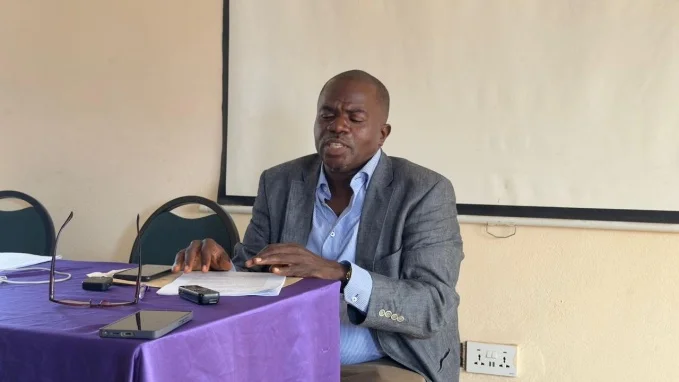
The 2026 National Labour Conference convened on May 1, 2026, at the Miatta Conference Centre, marking a significant gathering for labour stakeholders and government officials. During this key event, Vice President Dr. Mohamed Juldeh Jalloh declared 2026 the "Year of Execution," signaling a strong commitment to implementing government policies and achieving tangible results. A key outcome of the conference, which brought together representatives from various sectors, was the announcement of a new national minimum wage set at NLe 1,200. This figure represents a substantial 66 percent increase from previous minimum wage levels, a move specifically designed to address pressing economic conditions and improve the livelihoods of workers across Sierra Leone. The increase shows the government's dedication to enhancing the purchasing power and economic stability of its workforce.
Workers as Architects of Development
Vice President Dr. Mohamed Juldeh Jalloh, in his address, reiterated the declaration of 2026 as the "Year of Execution," emphasizing a critical shift "from promise to proof" in the government's approach to national development. This declaration signals a determined focus on tangible outcomes and measurable progress, following previous policy pronouncements and strategic plans. The government is also significantly expanding its social protection initiatives, extending key coverage to critical segments of the informal economy. These measures are meticulously designed to support vital groups such as market women, artisans, and fishermen, who are often overlooked in formal social welfare programs despite their significant economic contributions. The expansion aims to enhance the economic security and overall well-being of these workers, recognizing their indispensable role in the national economy and fostering greater inclusivity. This initiative aligns with the broader governmental goal of ensuring that the benefits of economic growth are widely distributed and reach a more diverse range of citizens.
Government's Commitment to Labour
The national minimum wage has been officially increased to NLe 1,200, a measure confirmed and noted at the National Labour Conference. This substantial adjustment aims to significantly improve the living standards of workers across Sierra Leone, providing a more equitable foundation for their economic participation. The government has also unequivocally showed its dedication to bolstering the economic participation of women. Officials stated a firm commitment to expanding financial access for women-led businesses, recognizing their dynamic and key role in driving economic development and innovation within the country. This initiative is designed not only to empower female entrepreneurs by providing them with necessary capital and resources but also to contribute to broader economic growth and diversification within the nation. These actions collectively demonstrate the government's full focus on both direct wage improvements and systemic support for key economic sectors and demographic groups.
Moving From Promise to Proof
The government is steadfastly committed to enforcing equal pay for equal work, officials stated emphatically at the National Labour Conference. This commitment aims to ensure fundamental fairness and equity in remuneration across various sectors of the economy, addressing historical disparities and promoting a just working environment. In a forward-looking move to prepare the workforce for future challenges and opportunities, the government is making significant investments in vocational training and digital skills development. This initiative seeks to equip the workforce with the necessary expertise and competencies for the rapidly evolving job market, thereby enhancing employability and directly contributing to national economic growth and competitiveness. These strategic investments are key for fostering a skilled labour force capable of adapting to technological advancements and new industry demands. The full approach outlined at the conference, from wage increases to skills development and social protection, shows the government's dedication to a holistic improvement of labour conditions and economic prospects for all citizens.