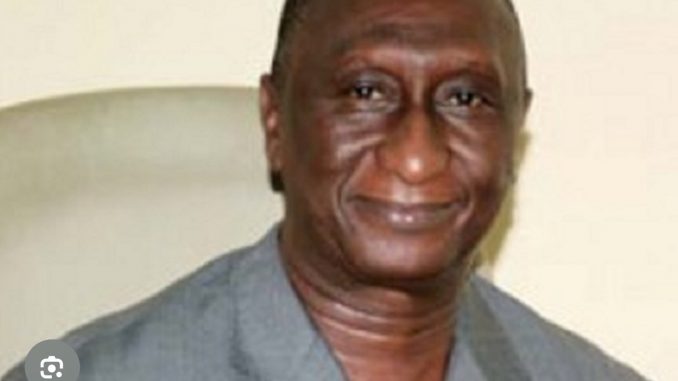
Vice President Dr. Mohamed Juldeh Jalloh engaged Sierra Leoneans in the United Kingdom at the London Civic Day Townhall on Thursday, June 18, 2026, held at Westminster Chapel, Buckingham Gate, London, England SW1E 6BS. The event aimed to strengthen engagement with Sierra Leoneans overseas as part of the Ministry of Information and Civic Education’s broader efforts. Minister of Information and Civic Education, Chernoh Bah, hosted the programme, showing the government's commitment to fostering strong connections with its citizens residing abroad. This initiative is a key component of the Ministry's strategy to leverage the diaspora's potential for national development.
During the townhall, Dr. Jalloh described the diaspora as a critical partner in the country’s development journey. He emphasized the invaluable role Sierra Leoneans living overseas play in contributing to the nation's progress. Following the townhall, Dr. Juldeh Jalloh is scheduled to deliver the keynote address at the Fourth Sierra Leone Diaspora Investment Conference in London, an event anticipated to further solidify investment and collaboration opportunities. This dual engagement notes the government's strategic focus on harnessing the diaspora's diverse contributions.
Government Reforms and Progress
Sierra Leone maintains stability and continues to make significant strides in enhancing its security apparatus. Reforms within the security sector were implemented following incidents in 2023, demonstrating a proactive approach to national security. These reforms have included key adjustments aimed at strengthening the overall architecture of the nation's security forces. As part of these full changes, recruitment processes for the police and armed forces have been decentralized, a strategic move aimed at broadening participation and ensuring a more representative and efficient security sector. This decentralization is expected to enhance local engagement and improve the responsiveness of these vital institutions.
Access to electricity has expanded considerably across the country since 2018, marking a period of substantial infrastructure development. A 40-megawatt solar power project was recently commissioned, contributing significantly to the nation's energy supply and diversifying its power sources. The Government's objective is to raise national electricity access to approximately 78 percent by 2030, reflecting an ambitious target for widespread energy availability that is key for economic growth and improved quality of life. This target shows a sustained commitment to addressing energy deficits and ensuring reliable power for communities and industries.
The Government's primary agricultural initiative is known as Feed Salone, designed to boost food security and agricultural productivity across the nation. This flagship programme is central to the government's efforts to achieve self-sufficiency in food production and support rural economies. Efforts are also underway to ensure that mining companies contribute to community development funds, aiming to channel resource wealth back into local areas directly affected by mining operations. This measure seeks to ensure that the benefits of natural resources are shared more equitably with local communities, fostering sustainable development.
Authorities are actively addressing the issue of drug abuse, particularly the substance Kush, which has posed significant public health and social challenges. This full response involves the establishment of rehabilitation programmes to support those affected by addiction, the launch of public awareness campaigns to educate citizens on the dangers of drug use, and strengthened law enforcement measures to curb the supply and distribution of illicit drugs. These multifaceted efforts reflect a holistic approach to tackling a critical social issue. Local councils and district authorities are increasingly assuming a more prominent role in governance and the delivery of essential services to citizens, empowering local communities and improving the efficiency of public service provision.
Nutrition has been elevated to a national priority, recognized for its critical impact on maternal and child health outcomes. This strategic emphasis acknowledges the foundational role of good nutrition in fostering a healthy population and supporting national development. Consequently, nutrition programmes have been integrated into the nation's broader health policies, ensuring that nutritional interventions are a central component of public health strategies. This integration aims to improve health indicators, reduce malnutrition, and enhance the overall well-being of Sierra Leonean mothers and children.
Diaspora's Role and Contributions
Many African countries, including Sierra Leone, faced challenges in delivering essential public services during the 1970s and 1980s. These difficulties were attributed to weak institutional capacity and limited economic resources, according to observations made during the Vice President's engagement. This historical context shows the importance of resilient governance structures and strong economic foundations. Participants at the London Civic Day Townhall showed the significant contributions made by Sierra Leoneans residing abroad. Their input includes substantial remittances, which provide vital financial support to families and stimulate local economies. Beyond financial contributions, the diaspora offers professional expertise across various sectors, direct business investments that create jobs and foster economic growth, and the establishment of valuable international networks that open doors for trade, collaboration, and knowledge exchange. These multifaceted efforts are seen as vital to the nation's progress and represent a powerful force for development.
Sierra Leone's overall development strategy is structured around four core pillars, as outlined by government officials. These pillars encompass full governance reform, initiatives aimed at economic transformation, sustained investment in human capital development, and the cultivation of strong international partnerships. This strategic framework emphasizes a holistic approach to national growth and stability, recognizing that progress in one area often supports advancements in others. Each pillar is designed to contribute to a resilient, prosperous, and well-governed Sierra Leone.
Future Engagements and Vision
The London Civic Day Townhall event featured a distinguished panel of Sierra Leonean government officials, providing a direct interface between the government and its diaspora. Participants included Minister of Health Dr. Austin Demby, Minister of Trade and Industry Alpha Ibrahim Sesay, Deputy Minister of Finance Kadiatu Allie, Minister of Lands, Housing and Country Planning Dr. Turad Senesie, and Executive Secretary of the Independent Commission for Peace and National Cohesion Hawa Samai. Their presence facilitated direct engagement with the diaspora community on various aspects of national development and policy implementation. The forum provided an opportunity for these key ministers and officials to outline progress and future plans in their respective sectors, directly addressing concerns and inquiries from Sierra Leoneans residing in the UK. This collective engagement showed the government's strategy to involve its citizens abroad in national discourse and development initiatives, fostering a sense of shared responsibility and collective progress.
Looking ahead, Vice President Dr. Mohamed Juldeh Jalloh has received an invitation to Germany. He is scheduled to travel there later this month. In Germany, Dr. Jalloh will deliver a speech focusing on the critical role of nutrition. His address will specifically highlight nutrition's impact on improving maternal health outcomes and fostering child development, reflecting Sierra Leone's national priority placed on these areas. This upcoming engagement signifies the Vice President's continued efforts to advocate for vital health and development issues on international platforms, drawing attention to Sierra Leone's strategies and challenges in these domains. The invitation also indicates a sustained international interest in Sierra Leone's approaches to public health and human capital development, further solidifying its presence in global development dialogues.